As a parent, one of your goals is to keep your child healthy—and that includes caring for their smile. While baby teeth may seem temporary, they play a big role in your child’s speech, nutrition, and confidence. That’s why protecting those tiny teeth from cavities is so important, even early on.
Cavities in children are more common than many parents realize. They can cause discomfort, affect how permanent teeth grow in, and lead to more serious dental problems if left untreated. Most cavities can be prevented with a few simple habits at home and regular visits to the pediatric dentist in Hutto.
What Causes Cavities in Children?
Cavities happen when bacteria in the mouth feed on sugars and produce acid. This acid wears away at the tooth enamel, which can eventually lead to decay. Kids are especially at risk because:
- Their brushing habits are still developing
- They often enjoy sugary drinks and snacks
- Baby teeth have thinner enamel, so decay can happen faster
Knowing the causes helps us focus on the right areas to protect those little smiles.
Healthy Habits That Help Prevent Cavities
1. Start Oral Care Early
Even before your child’s first tooth appears, you can start by gently wiping their gums with a clean, damp cloth. Once the first tooth comes in, use a soft-bristle toothbrush with a tiny smear of fluoride toothpaste (about the size of a grain of rice for babies). As they grow, you can gradually increase to a pea-sized amount around age 3.
Building the habit early makes brushing feel normal—and helps avoid dental problems later on.
2. Brush and Floss Every Day
Daily brushing is one of the most effective ways to prevent cavities. Help your child brush twice a day for two minutes. If they’re under 6, they’ll likely need your help or supervision to do it well.
Flossing should start once two teeth touch. That might be earlier than you expect, but it’s key to cleaning areas a toothbrush can’t reach. Floss picks can make it easier for small hands (and for parents too).
3. Watch What They Eat and Drink
Sugary drinks like juice, sports drinks, and soda feed cavity-causing bacteria. Try to limit these, especially between meals. Frequent snacking—especially on sticky or starchy foods like fruit snacks, crackers, or candy—also increases risk.
Instead, offer snacks like fresh fruits, veggies, cheese, and water. Drinking water (especially tap water with fluoride) can help rinse away food particles and neutralize acids between brushing.
4. Don’t Skip Dental Visits
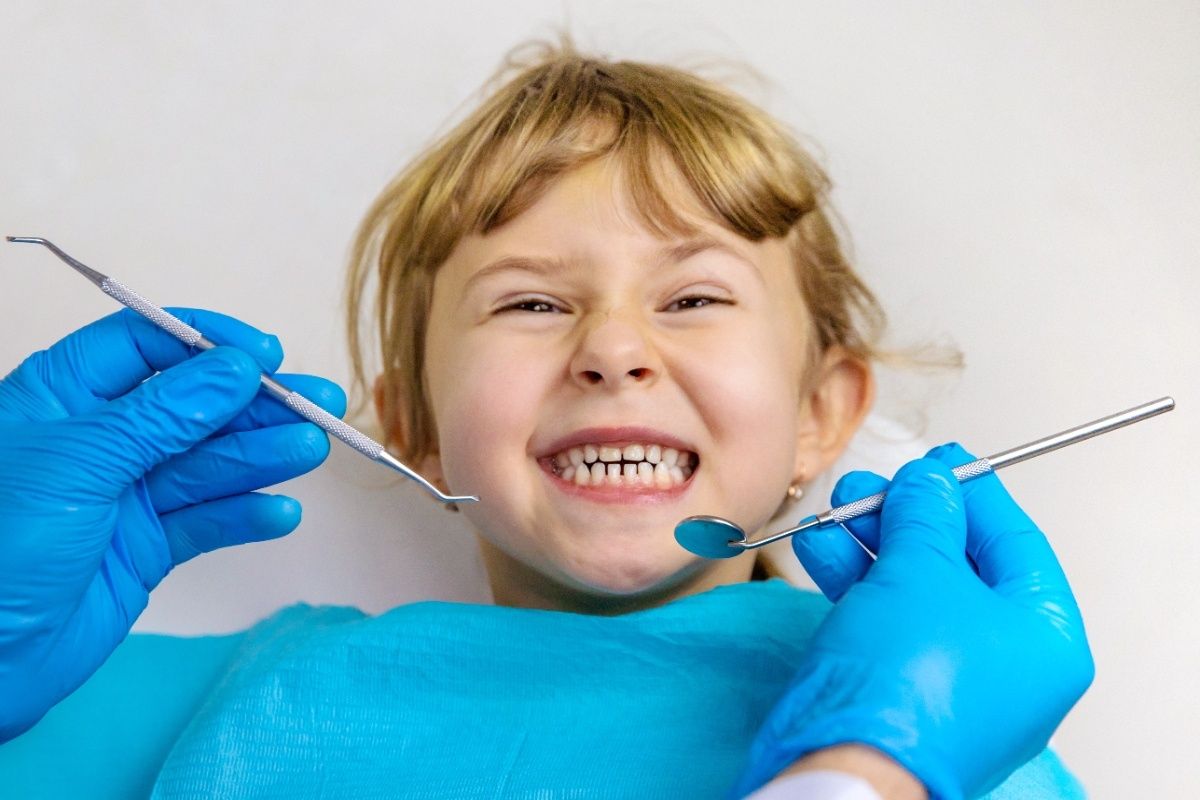
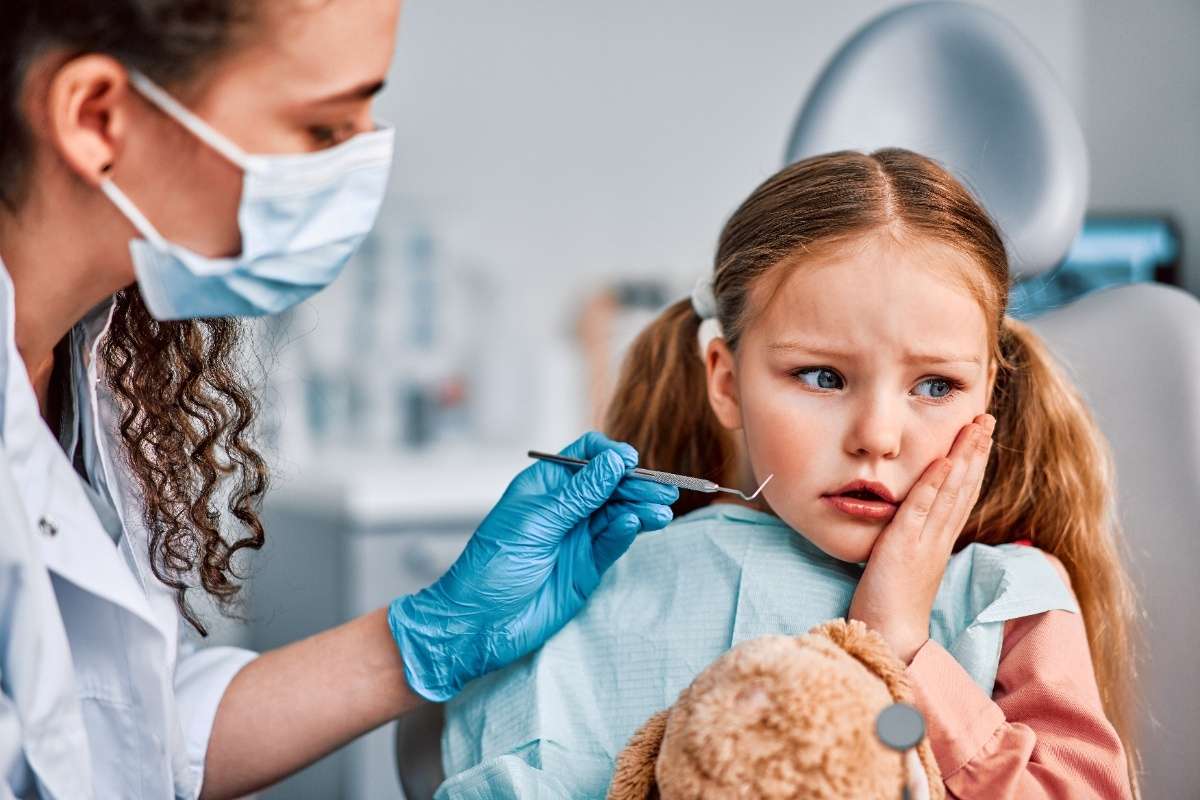
The American Academy of Pediatric Dentistry recommends that children visit the dentist by their first birthday or within six months of their first tooth. These early visits are important for more than just checking teeth—they help your child get used to the dental office and give you a chance to ask questions about brushing, fluoride, thumb-sucking, and more.
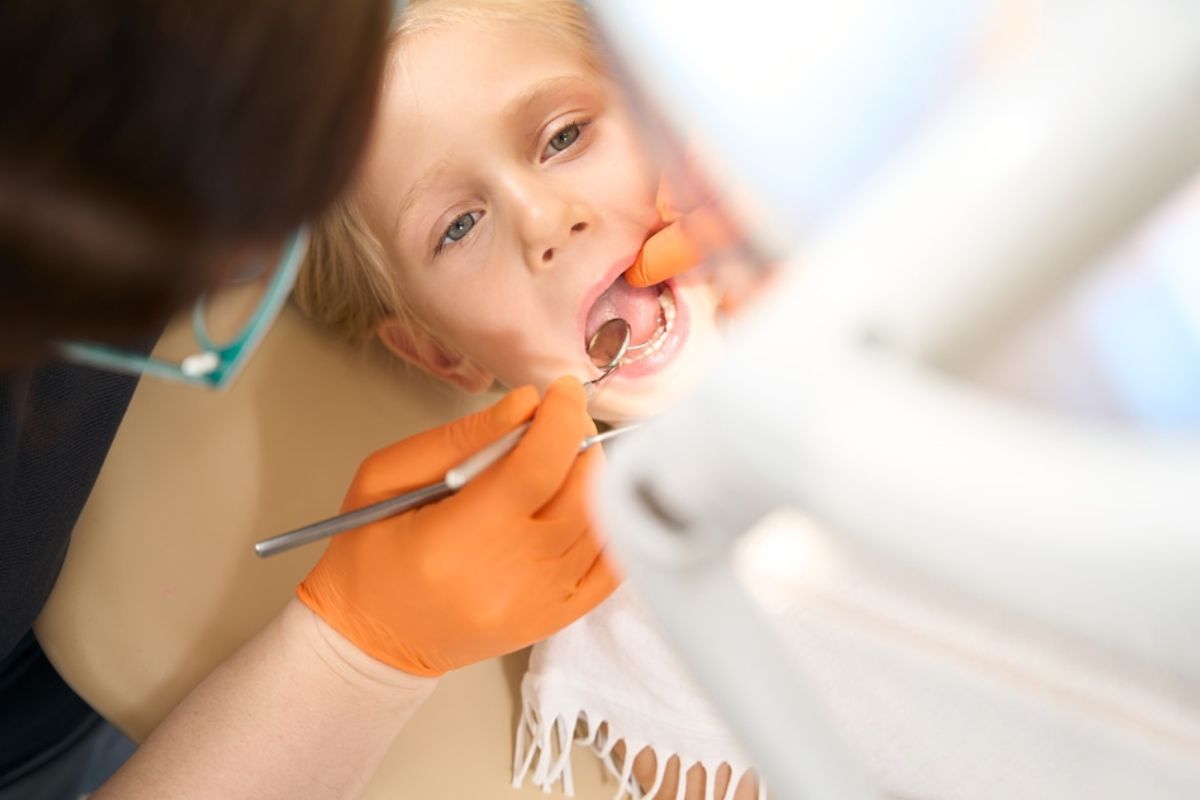
Regular checkups (usually every 6 months) allow your dentist to clean your child’s teeth, check for early signs of decay, and prevent small problems from turning into big ones.
5. Consider Dental Sealants and Fluoride Treatments
Sealants are thin coatings that are applied to the chewing surfaces of back teeth—where most cavities in children tend to form. They’re quick, painless, and very effective at keeping food and bacteria out of those deep grooves.
Fluoride helps strengthen enamel and can be applied as a gel, foam, or rinse during a dental visit. Many children also get fluoride through drinking water or toothpaste, but your dentist can let you know if your child might benefit from an extra boost.
How to Encourage Good Habits at Home
Getting kids excited about brushing isn’t always easy—but it can be done. Try:
- Using a two-minute song or timer to make brushing fun.
- Creating a sticker or reward chart for daily brushing.
- Brushing your own teeth alongside them so they can copy you.
- Letting them choose their own toothbrush or toothpaste flavor.
The goal is to make brushing and flossing part of your daily routine—just like bedtime or getting dressed.
When to Talk to Your Child’s Dentist
If your child complains of tooth pain, sensitivity, or you notice brown or white spots on their teeth, it’s time to check in with your dentist. But even if everything seems fine, regular visits matter. Use checkups as an opportunity to ask about:
- Brushing technique
- Fluoride use
- Eating habits
- How to handle thumb-sucking or pacifier use
Schedule a Pediatric Dental Visit Today
Protecting your child’s smile starts with small, daily choices and regular visits to a dentist you trust. If your child hasn’t been in for a checkup recently, now is a great time to get back on track.
At Advanced Dental Care Of Hutto, we offer a gentle, kid-friendly approach that puts your child at ease and helps build healthy habits for life. Our team takes the time to explain each step, answer your questions, and make sure both you and your child feel confident about their care.
Schedule an appointment at our dental clinic and we’re here to support your child’s smile every step of the way.