Oral health is more than just a nice-looking smile; it is a critical component of a child’s overall well-being. According to the Centres for Disease Control and Prevention (CDC) and data from recent 2025 national surveys, dental issues remain the most common chronic childhood condition in the United States, even more prevalent than asthma.
The statistics are eye-opening:
- Cavity Prevalence: Approximately 29% of children in the U.S. have had at least one cavity by age 5.
- The “Tooth Pain” Impact: Roughly 38% of children have lost sleep due to tooth pain, and poor oral health causes American students to miss over 34 million school hours annually.
- Hygiene Habits: While 64% of parents report their children brush twice daily, only 23% say their children floss regularly.
Dental Caries (aka Cavities)
Why It Happens
Cavities are the most common chronic disease in childhood in the United States. They occur when bacteria in the mouth convert sugars into acids that eat away at enamel.
Fun fact: Even though cavities are preventable, they affect children across every age group—toddlers, school-age kids, and teens alike.
How Common Is It?
- 23% of children ages 2–5 have decay in primary teeth.
- 52% of kids ages 6–8 have had cavities in their primary teeth.
- Overall, nearly half of American children have experienced caries by adolescence.
How You Can Prevent It
- Cut down on sugary treats: Sugary drinks and snacks feed cavity-causing bacteria. The World Health Organisation even recommends limiting free sugars to less than 10% of daily calories to reduce risk.
- Offer fluoridated water: Kids who drink fluoridated tap water have fewer cavities than those who don’t.
- Brush with fluoride toothpaste: Fluoride helps strengthen enamel and prevents decay. Start brushing as soon as the first tooth appears!
- Dental sealants: These thin protective coatings can reduce cavities in molars by up to 80% in the first two years. (Sealants are a dentist-applied shield for hard-to‐clean areas.)
Gum Disease (Gingivitis)
What It Is
Gum disease isn’t just an “adult problem.” Kids can develop gingivitis, an inflammation of the gums caused by plaque buildup.
Early signs include red, swollen, or bleeding gums—especially when brushing or flossing. Left untreated, this can progress to more serious gum disease.
How to Stop It
- Brush well and floss daily: Teach your child to brush along the gum line and to floss gently—this removes plaque before it becomes a problem.
- Regular dental check-ups help catch early signs: Professional cleanings can remove tartar that brushing can’t. Aim for check-ups about every six months.
Poor Oral Hygiene Habits
Let’s be honest—little ones often dread brushing. But skipping daily care is a major contributor to dental problems.
Common mistakes include:
- Brushing not long enough or only once a day
- Using too much toothpaste
- Not flossing at all
Nearly 40% of children aged 3–6 use too much toothpaste, increasing their risk of dental fluorosis (white spots on teeth).
Healthy Habits to Build
- Brush twice a day for two minutes
- Floss daily once teeth touch
For children under 3, use a grain-of-rice-sized smear of toothpaste; ages 3–6 use a pea-sized amount.
Thumb Sucking and Pacifier Use
It’s totally normal for infants and toddlers to suck their thumbs or enjoy a pacifier—but prolonged habits can affect dental alignment. Constant sucking can:
- Push teeth out of place
- Create an open bite
- Delay proper tooth development
Most dentists advise discouraging these habits by age 3 to reduce long-term dental issues.
Tooth Sensitivity and Enamel Wear
Kids can develop sensitive teeth from:
- Acidic drinks like soda or citrus juice
- Grinding teeth at night
- Brushing too hard
Over time, these habits wear down enamel, making teeth more prone to cavities and pain.
Solution
Use a soft-bristled toothbrush and teach gentle brushing. Ask your dentist about a night guard if your child grinds their teeth.
Sports Injuries and Accidents
Active kids are awesome—but face risks for bumped or knocked-out teeth. Rough play, bike crashes, and team sports can all lead to:
- Chipped teeth
- Fractures
- Knocked-out permanent teeth
Prevention Tip
Wear a mouthguard for contact sports like football, hockey, soccer, and skateboarding. These can dramatically reduce the risk of dental injury.
Dietary Habits That Hurt (and Help) Teeth
Sugar isn’t just candy—it hides in many foods:
- Juice
- Sports drinks
- Flavored milk
- Granola bars
And frequent snacking keeps sugars in the mouth longer—feeding bacteria and acid production.
Teeth-Friendly Tips
- Choose water over sugary drinks
- Offer crunchy fruits and veggies (they help clean teeth)
- Avoid grazing—stick to meal or snack times
Bonus: Dairy products like cheese provide calcium for stronger enamel.
Dental Anxiety
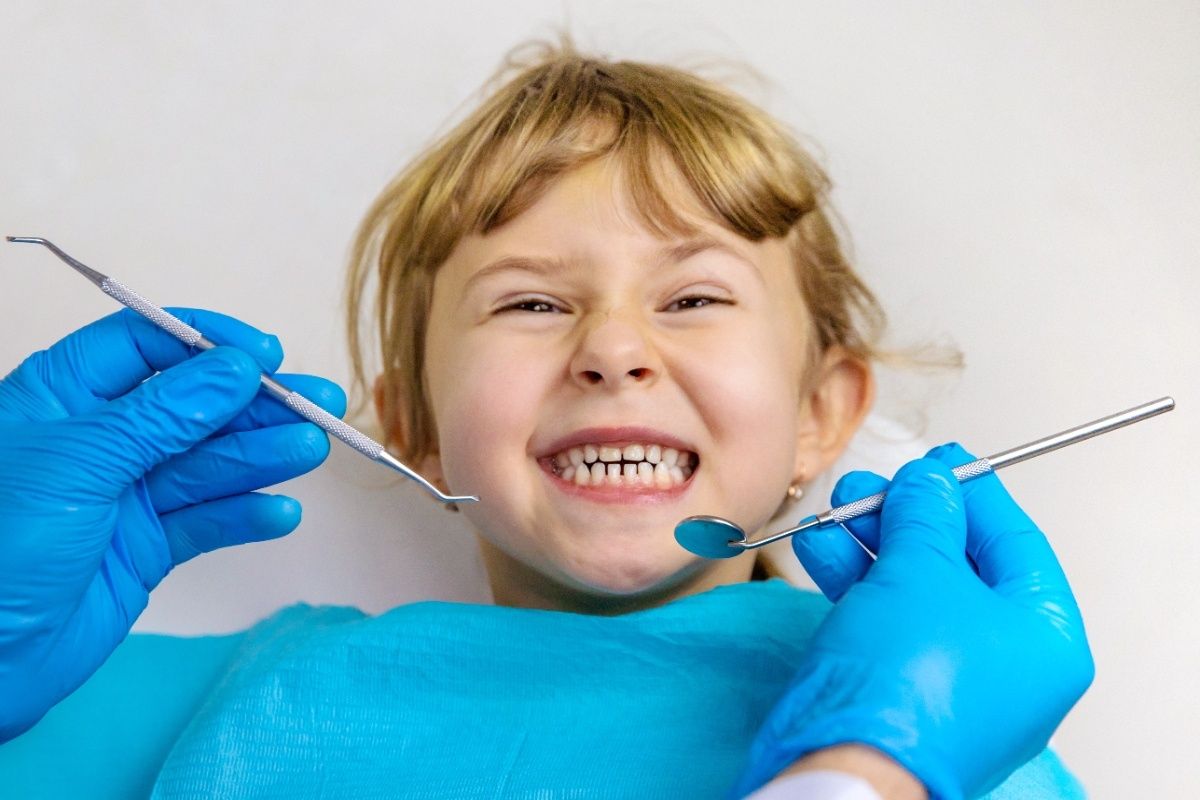
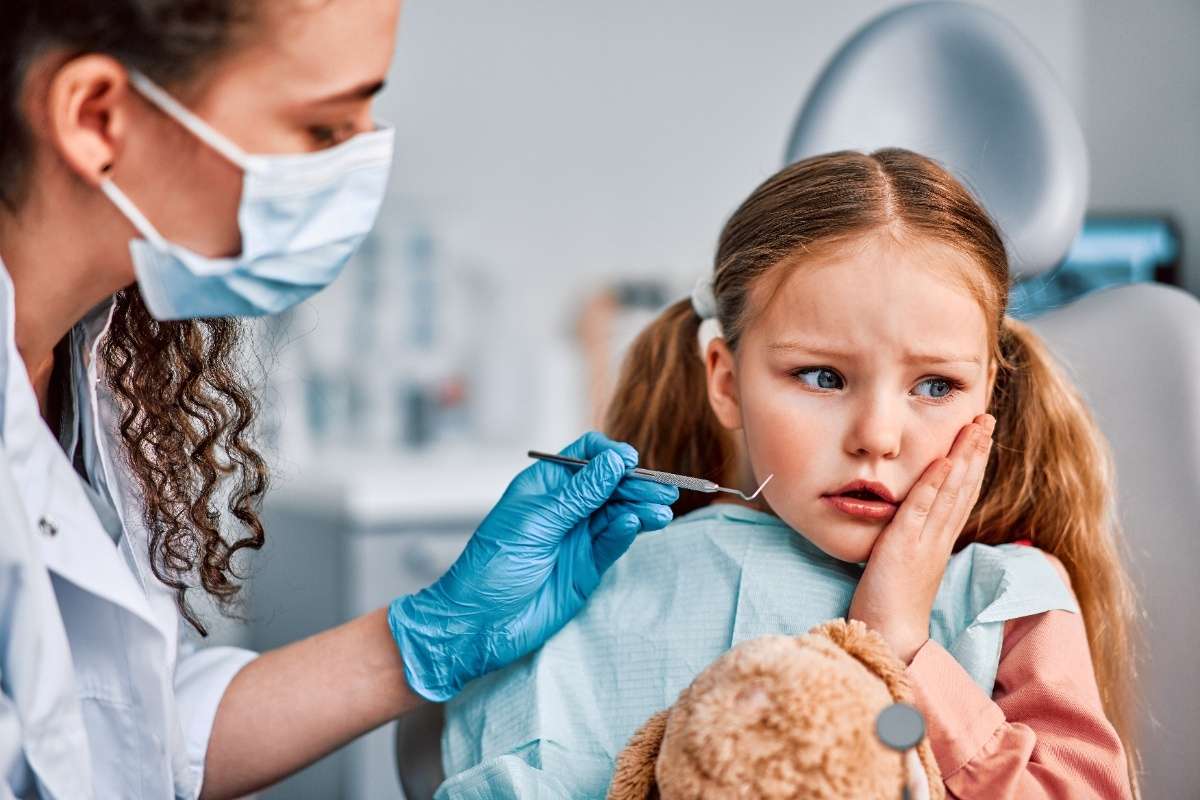
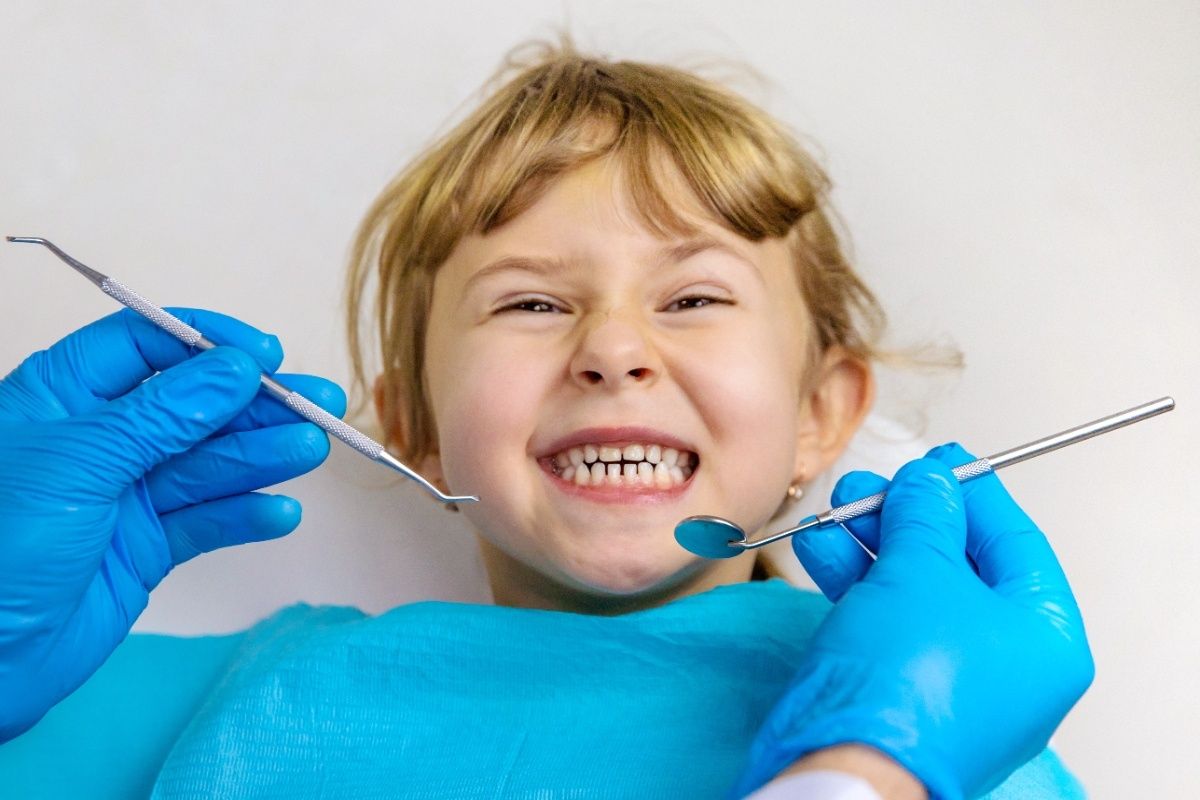
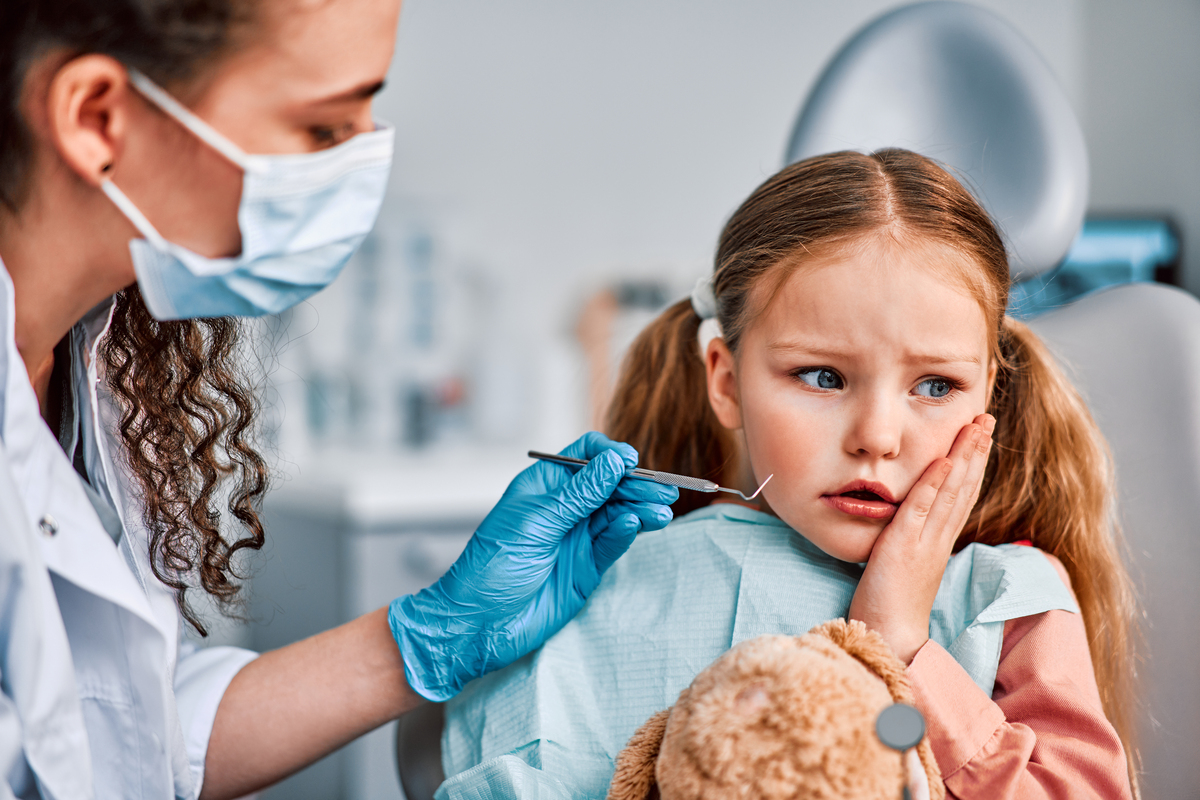
Yes—kids can fear the dentist just as much as adults. Fear may cause them to avoid check-ups, which means problems go unseen until they hurt.
How to Reduce Anxiety
- Start dental visits early—around the first birthday
- Make appointments regular and predictable
- Choose a pediatric dentist in Hutto who specialises in kinder, gentler care
Simple Steps to Prevent Dental Problems
Here’s a quick checklist that makes a big difference:
Brush twice daily with fluoride toothpaste
Floss every day, once multiple teeth touch
Choose fluoridated water when available
Limit sugary snacks and drinks
Visit the dentist regularly (about every 6 months)
Wear a mouthguard for sports
Watch for and reduce thumb sucking after age 3
Why Prevention Matters
Dental problems don’t just affect teeth—they affect a child’s overall health and well-being. Cavities and gum disease can:
- Cause pain and infections
- Make it hard to eat or speak
- Distracting kids from learning
- Lead to costly dental work in the future
The great news? Most pediatric dental issues are preventable with good habits, routine care, and a little planning.
Conclusion
The data is clear: while we’ve made strides in pediatric dental care, there is still work to be done in the “daily grind” of oral hygiene. By focusing on the 2×2 brushing rule, advocating for dental sealants, and establishing a dental home by your child’s first birthday, you are doing more than just preventing cavities—you are setting the stage for your child’s overall health and confidence.
Remember, a healthy smile is a team effort between you, your child, and your local pediatric dentist.
Frequently Asked Questions
1. At what age should my child first see a dentist?
Most pediatric dentists recommend a visit by the first birthday or within six months of the first tooth erupting. Early visits help catch problems and build comfort.
2. How often should my child brush and floss?
Brush twice daily for 2 minutes, and floss once daily when teeth are touching.
3. Are dental sealants safe and worth it?
Yes! Sealants are a safe, dentist-applied coating that can reduce the risk of cavities in molars by up to 80%.
4. Can diet really make a difference in dental health?
Absolutely—limiting sugar and acidic drinks keeps harmful bacteria from producing enamel-destroying acids.
5. What if my child still gets cavities despite good habits?
Sometimes genetics or saliva chemistry plays a role. Your dentist can tailor preventive care, like fluoride treatments, to strengthen enamel.