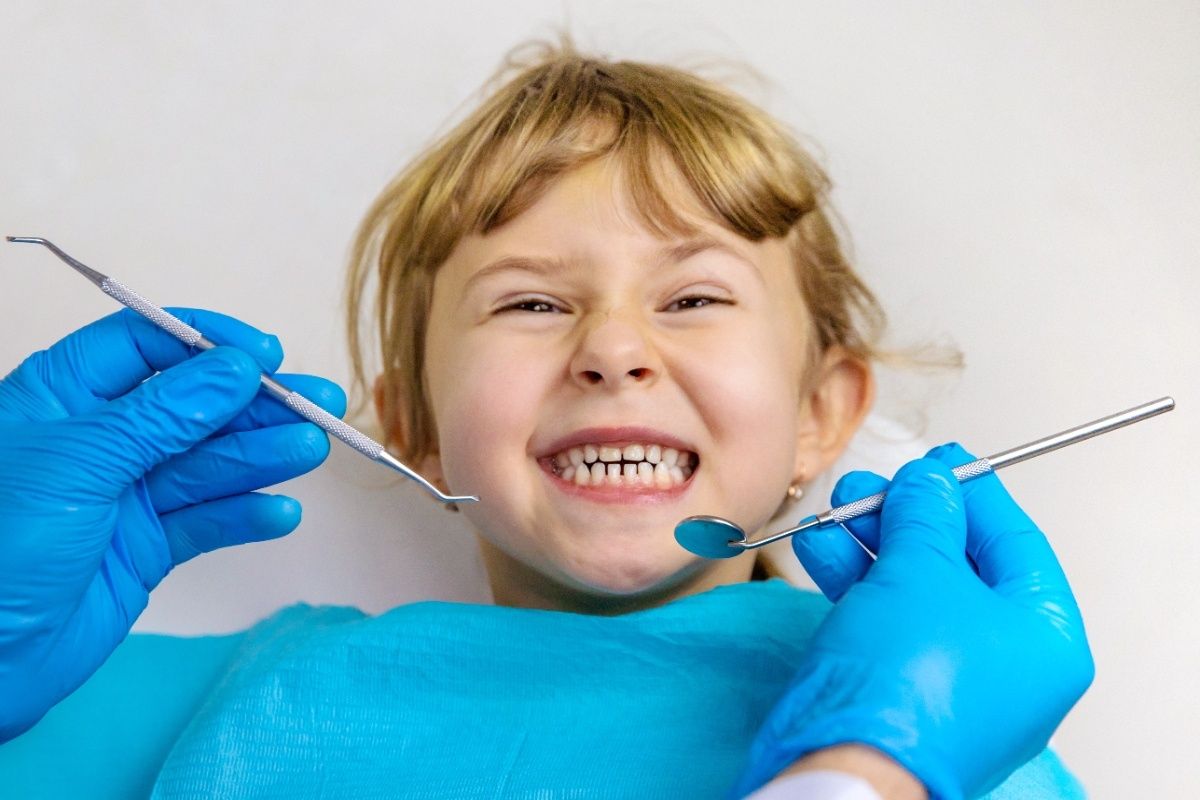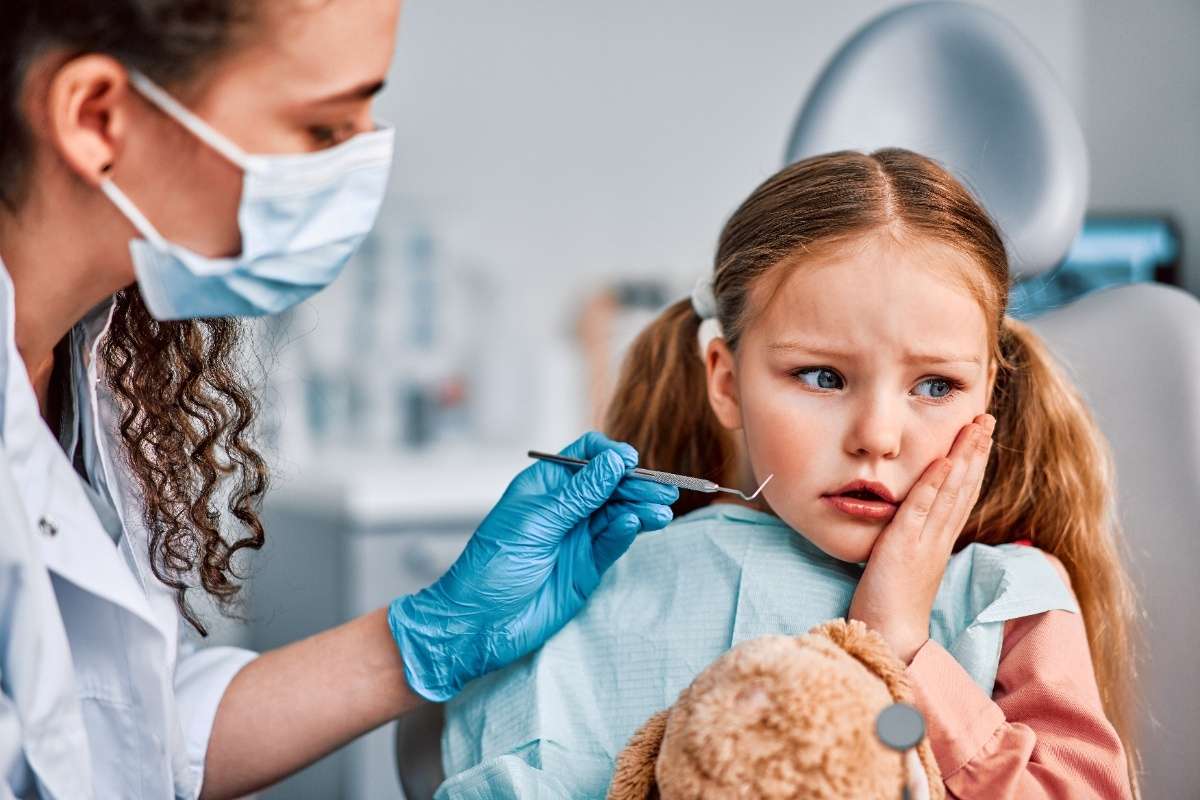
A child’s smile changes quickly during the early years of life. One month, parents are celebrating a baby’s first tooth, and before long, permanent teeth begin replacing baby teeth. During this growth process, pediatric dentistry plays a critical role in building lifelong oral health habits that can affect everything from speech development to confidence and overall wellness.
Many parents in the United States wait until their child complains of tooth pain before scheduling a dental visit. However, preventive pediatric dental care can stop many oral health problems before they start. According to the Centers for Disease Control and Prevention (CDC), cavities remain one of the most common chronic childhood diseases in America. More than half of children ages 6 to 8 have had a cavity in at least one baby tooth.
Pediatric dentistry focuses on prevention, early diagnosis, education, and healthy development. From fluoride treatments and sealants to teaching brushing habits, pediatric dentists help children establish strong oral health routines that can last into adulthood.
If you are wondering how pediatric dentistry supports long-term oral health, this guide explains why early dental care matters and how it helps children maintain healthier smiles for life.
Why Early Dental Care Matters
Many people assume baby teeth are temporary and therefore less important. In reality, healthy baby teeth are essential for:
- Proper chewing
- Speech development
- Jaw growth
- Guiding permanent teeth into position
- Building healthy habits
The CDC reports that untreated cavities can lead to pain, infection, eating difficulties, learning problems, and missed school days.
Early dental care helps identify concerns before they become more serious and expensive.
The American Academy of Pediatric Dentistry recommends that children visit a dentist by age 1 or within 6 months of the first tooth appearing.
The Long-Term Benefits of Pediatric Dentistry
Prevents Cavities During Childhood
Cavity prevention is one of the biggest advantages of pediatric dentistry.
According to the CDC:
- Half of children ages 6–9 have experienced cavities in baby or permanent teeth
- Children from lower-income households are more than twice as likely to have untreated decay
Pediatric dentists use preventive treatments such as:
- Fluoride varnish
- Dental sealants
- Professional cleanings
- Oral hygiene education
The CDC states that fluoride varnish can prevent approximately 33% of cavities in baby teeth, while dental sealants can prevent up to 80% of cavities in molars.
These preventive treatments reduce the risk of long-term oral damage.
Builds Healthy Oral Hygiene Habits
Children who learn proper brushing and flossing techniques early are more likely to continue those habits as adults.
Pediatric dentists teach children:
- Correct brushing methods
- Proper flossing
- How sugar affects teeth
- Healthy snack choices
- The importance of regular dental visits
The CDC confirms that children who brush daily with fluoride toothpaste experience fewer cavities.
When oral hygiene becomes part of a child’s daily routine, long-term oral health outcomes improve significantly.
Detects Problems Early
Routine pediatric dental exams help dentists identify issues before they worsen.
Early detection may include:
- Tooth decay
- Bite alignment concerns
- Thumb-sucking effects
- Jaw growth abnormalities
- Enamel defects
- Speech-related oral issues
According to the National Institute of Dental and Craniofacial Research (NIDCR), tooth decay remains the most prevalent chronic disease among children despite being largely preventable.
Finding problems early often means:
- Less invasive treatment
- Lower costs
- Reduced pain
- Better long-term outcomes
Supports Proper Permanent Tooth Development
Baby teeth act as placeholders for adult teeth. Losing them too early due to decay can create spacing problems later.
Pediatric dentists monitor:
- Tooth eruption timing
- Crowding
- Bite development
- Jaw alignment
This monitoring can reduce the need for extensive orthodontic treatment later in life.
When permanent teeth erupt correctly, children are less likely to experience:
- Severe crowding
- Bite problems
- Uneven wear
- Jaw discomfort
Reduces Dental Anxiety in Adulthood
Children who have positive dental experiences are often more comfortable visiting the dentist later in life.
Pediatric dental offices are designed to create a child-friendly environment with:
- Gentle communication
- Positive reinforcement
- Age-appropriate education
- Anxiety-reducing techniques
Reddit discussions among parents frequently mention that early, stress-free dental visits help children become more cooperative and confident about oral care.
Reducing dental fear encourages consistent dental care throughout adulthood.
Improves Overall Health
Oral health affects more than just teeth.
Poor dental health in children has been associated with:
- Difficulty eating
- Speech problems
- Poor sleep
- Reduced academic performance
- Lower self-confidence
The CDC states that oral disease can negatively affect speaking, learning, social interactions, and overall quality of life.
Healthy teeth support better nutrition, improved concentration, and stronger overall wellness.
Common Preventive Pediatric Dental Services
Dental Cleanings
Professional cleanings remove plaque and tartar that brushing alone may miss.
Benefits include:
- Reduced cavity risk
- Fresher breath
- Healthier gums
- Early detection of dental issues
Fluoride Treatments
Fluoride strengthens enamel and protects teeth from decay.
The CDC reports that fluoride significantly reduces cavity rates among children.
Fluoride treatments are especially important for:
- Children prone to cavities
- Orthodontic patients
- Children with poor enamel strength
Dental Sealants
Sealants are protective coatings placed on molars.
According to the CDC, sealants prevent 80% of cavities in back teeth, where decay commonly develops.
Sealants are painless and highly effective for school-age children.
X-Rays and Monitoring
Digital X-rays help pediatric dentists identify:
- Hidden cavities
- Bone development
- Tooth eruption patterns
- Orthodontic concerns
Early imaging allows proactive treatment planning.
Pediatric Dentistry and School Performance
Oral health problems can affect classroom performance.
Children experiencing dental pain may struggle with:
- Concentration
- Eating at school
- Sleeping properly
- Speech participation
The CDC notes that untreated cavities can impact learning and school success.
Preventive pediatric care reduces missed school days and supports healthier academic development.
The Role of Parents in Long-Term Oral Health
Parents are essential partners in pediatric dental care.
Helpful habits include:
- Supervising brushing
- Limiting sugary snacks
- Encouraging water over soda
- Scheduling regular dental visits
- Modeling good oral hygiene
According to the CDC, community water fluoridation has reduced tooth decay dramatically in American children over time. NIH researchers report that fluoridated water has historically reduced childhood tooth decay by more than 60%.
Small daily habits create long-term benefits.
Signs Your Child Should See a Pediatric Dentist
Parents should schedule a dental visit if they notice:
- Tooth pain
- White or brown spots on teeth
- Swollen gums
- Difficulty chewing
- Persistent bad breath
- Delayed tooth eruption
- Thumb-sucking after age 4
- Teeth grinding
The earlier a problem is diagnosed, the easier it usually is to treat.
How Often Should Children Visit the Dentist?
Most children should visit a qualified Hutto dentist every six months.
Regular checkups allow pediatric dentists to:
- Monitor development
- Remove plaque buildup
- Apply fluoride
- Detect early concerns
The American Academy of Pediatric Dentistry recommends early, consistent preventive visits beginning at age 1.
Pediatric Dentistry and Lifelong Confidence
Healthy smiles affect emotional well-being.
Children with healthy teeth often feel more confident when:
- Speaking
- Smiling
- Participating socially
- Taking school photos
- Meeting new people
Positive oral health experiences during childhood can shape self-esteem for years to come.
Conclusion
Pediatric dentistry does far more than clean teeth. It creates the foundation for lifelong oral health through prevention, education, habit-building, and early treatment.
From reducing the risk of cavities to supporting healthy jaw development, pediatric dental care helps children maintain stronger smiles well into adulthood. Early dental visits also teach children that oral care is a normal and important part of overall health.
With cavities still affecting millions of American children each year, preventive pediatric dentistry remains one of the most effective ways to protect long-term dental wellness. Parents who prioritize regular dental visits, healthy habits, and early intervention can help their children enjoy healthier smiles for life.
Frequently Asked Questions
1. At what age should a child first visit the dentist?
The American Academy of Pediatric Dentistry recommends a first dental visit by age one or within six months after the first tooth erupts.
2. Why are baby teeth important if they eventually fall out?
Baby teeth help children chew, speak clearly, maintain jaw development, and guide permanent teeth into proper alignment.
3. How often should children see a pediatric dentist?
Most children should visit the dentist every six months for cleanings, exams, and preventive care.
4. What are dental sealants for children?
Dental sealants are protective coatings applied to molars to prevent cavities. The CDC reports that they can prevent up to 80% of cavities in back teeth.
5. Can pediatric dentistry reduce future dental problems?
Yes. Early preventive care helps reduce cavities, gum disease, orthodontic complications, and dental anxiety later in life.