Have you ever been told you might need a root canal and immediately wondered, “Can this even be done on a front tooth?” Or perhaps you’ve heard that only large back teeth require this treatment. These are common questions among dental patients across the United States—and the good news is that both front teeth and molars can receive root canal treatment when necessary.
Root canal therapy has become one of the most successful procedures in modern dentistry, helping millions of Americans save natural teeth instead of having them extracted. According to the American Association of Endodontists (AAE), dentists and endodontists perform more than 15 million root canal treatments every year in the United States, making it one of the most common dental procedures available.
Understanding how root canals differ between front teeth and molars can help you make informed decisions about your oral health. Whether you’re experiencing severe tooth pain, sensitivity to hot or cold foods, or swelling around a tooth, timely treatment can preserve your natural smile and prevent more serious dental complications.
Can Front Teeth Receive Root Canals?
Absolutely.
Front teeth, including incisors and canines, often require root canals following:
- Dental trauma from sports injuries or accidents
- Deep cavities
- Cracked teeth
- Previous dental work
- Untreated infections
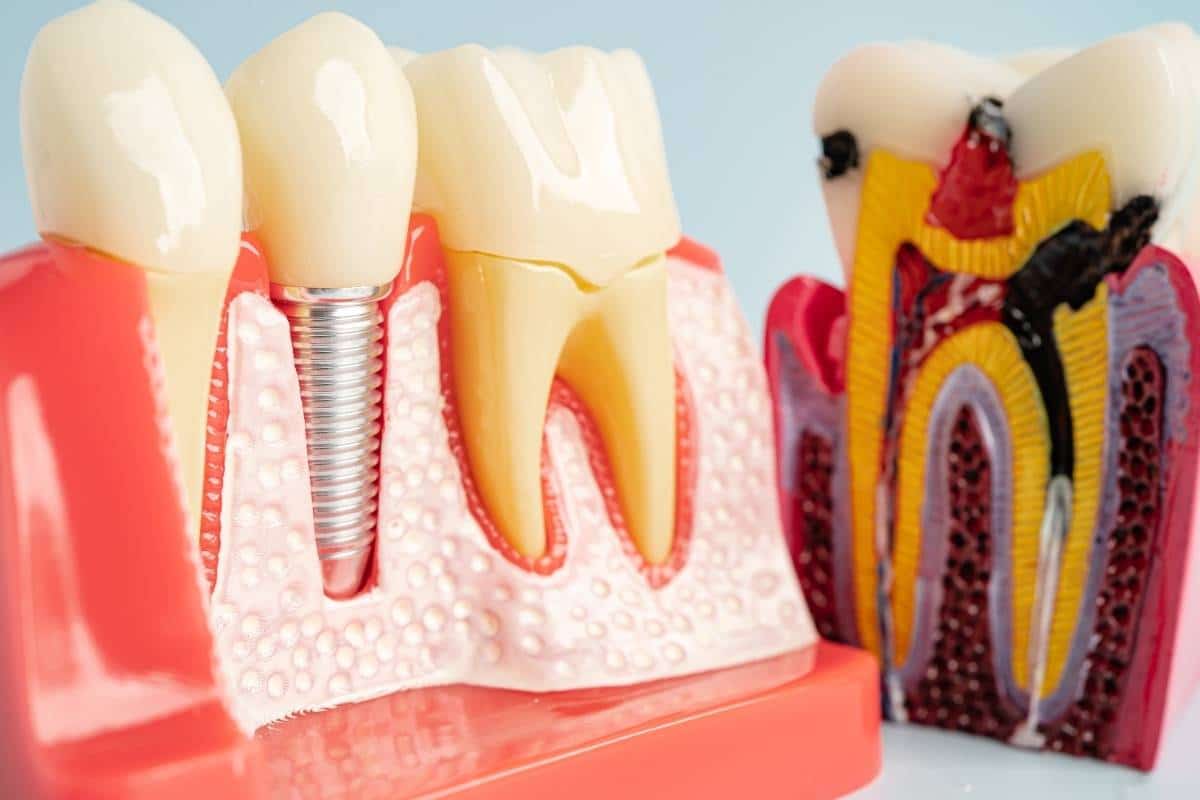
Unlike molars, front teeth usually contain one root and one root canal, making treatment less complex.
Why Front Teeth Sometimes Need Treatment
Many people assume front teeth rarely develop infections because they have smoother surfaces than molars. However, trauma is actually one of the leading reasons why front teeth require root canal therapy.
For example:
- A baseball injury
- A bicycle accident
- A fall
- An automobile collision
Even if the tooth doesn’t immediately hurt, the pulp may slowly die over time, leading to discoloration, infection, or abscess formation months—or even years—later.
Can Molars Receive Root Canals?
Yes—and molars are actually more likely to require root canals than front teeth.
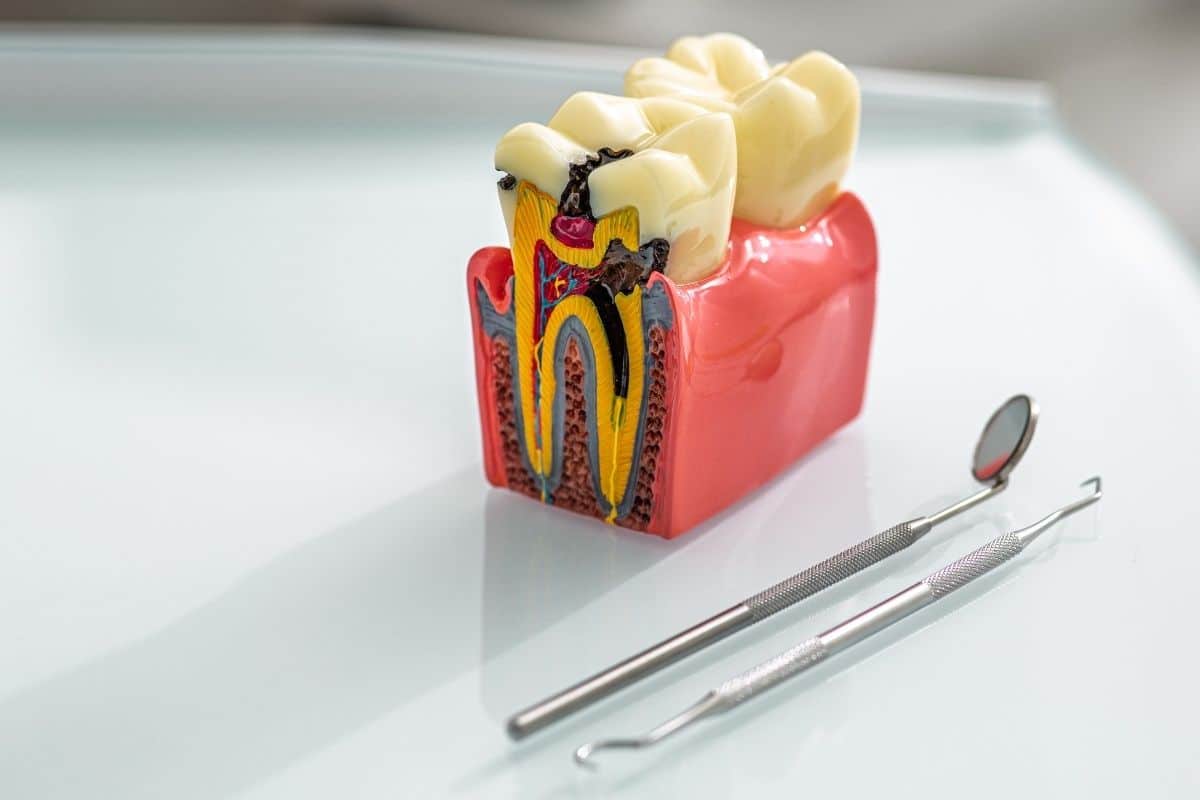
Molars perform the heavy work of chewing and grinding food every day. Because they have deep grooves and multiple roots, they’re more susceptible to:
- Tooth decay
- Large fillings
- Cracks from grinding
- Repeated dental procedures
- Severe infections
Most molars contain three or four root canals, while lower molars generally have two or three. This complex anatomy makes treatment more challenging but highly successful when performed by an experienced dentist or endodontist.
Why Molars Are More Prone to Infection
The chewing surfaces of molars naturally trap food particles and bacteria.
According to the Centers for Disease Control and Prevention (CDC):
- Nearly 90% of adults aged 20–64 have experienced tooth decay.
- About 1 in 4 adults has untreated cavities, which increases the risk of pulp infection.
Because molars are difficult to clean thoroughly, plaque and bacteria often accumulate in their grooves, eventually reaching the inner pulp if decay progresses.
Key Differences Between Front Tooth and Molar Root Canals
Although the procedure follows the same basic principles, there are several important differences.
| Feature | Front Teeth | Molars |
| Number of Roots | Usually 1 | Usually 2–3 |
| Root Canals | Usually 1 | Often 3–4 |
| Treatment Difficulty | Lower | Higher |
| Treatment Time | Often 30–60 minutes | Often 60–90+ minutes |
| Restoration Needed | Filling or bonding in many cases | Crown is commonly recommended |
Because molars experience greater biting pressure, dentists frequently recommend placing a dental crown after root canal treatment to strengthen the tooth and reduce the risk of fracture.
Signs You May Need a Root Canal
Whether the affected tooth is in the front or back of your mouth, the warning signs are often similar.
Watch for symptoms such as:
- Persistent toothache
- Pain while chewing
- Sensitivity to hot or cold that lingers
- Swollen or tender gums
- A pimple-like bump on the gums
- Tooth discoloration
- Facial swelling
- A chipped or cracked tooth with pain
It’s important to remember that some infected teeth produce little or no pain. That’s why routine dental exams and X-rays are essential for early detection.
How Successful Are Root Canals?
Root canal therapy in Hutto is one of the most predictable procedures in dentistry.
Research published in the Journal of Endodontics reports long-term success rates ranging from 86% to more than 95%, depending on factors such as the extent of infection, restoration quality, and follow-up care.
The American Association of Endodontists also notes that a properly treated and restored tooth can often last a lifetime with good oral hygiene and regular dental visits.
What Happens During the Procedure?
Although every patient is unique, root canal treatment generally involves these steps:
- The dentist administers local anesthesia to numb the tooth.
- A small opening is created in the tooth.
- The infected pulp is removed.
- The canals are cleaned, shaped, and disinfected.
- The canals are filled with a biocompatible material.
- The tooth is sealed.
- A permanent filling or crown is placed during a follow-up visit if needed.
Modern techniques and local anesthesia mean that most patients report the procedure feels similar to receiving a routine filling.
Recovery After a Front Tooth vs. Molar Root Canal
Most patients return to work or school the same day or the following day after a root canal. However, the recovery experience can vary depending on whether the treated tooth is a front tooth or a molar.
Front Tooth Recovery
Because front teeth usually have a single root canal, recovery is often straightforward. Mild soreness around the tooth or gums may last for a day or two, but it typically responds well to over-the-counter pain relievers recommended by your dentist.
Patients should avoid biting directly into hard foods—such as apples, ice, or hard candy—with the treated tooth until the final restoration is complete.
Molar Recovery
Molars endure significantly greater chewing forces than front teeth. Since they often have multiple canals and require more extensive treatment, they may feel tender for several days after the procedure.
Your dentist may recommend:
- Eating softer foods for a few days
- Chewing on the opposite side of your mouth
- Maintaining excellent oral hygiene
- Returning promptly for the permanent crown
Skipping the crown appointment increases the risk of fractures, especially in back teeth.
How Long Do Root Canal-Treated Teeth Last?
One of the biggest misconceptions is that a tooth becomes “dead” after a root canal and won’t last long. In reality, properly treated teeth can remain healthy and functional for decades.
According to the American Association of Endodontists (AAE), many teeth treated with root canal therapy can last a lifetime when paired with good oral hygiene and appropriate restoration.
Long-term success depends on several factors:
- Prompt treatment before infection spreads
- Thorough cleaning and sealing of the canals
- Placement of a permanent restoration when indicated
- Daily brushing and flossing
- Routine dental examinations and cleanings
Studies published in the Journal of Endodontics report long-term survival rates exceeding 90% when teeth receive appropriate restorative care after treatment.
Is a Dental Crown Always Necessary?
Not always.
Whether you need a crown depends on the tooth’s location and the amount of remaining healthy tooth structure.
Front Teeth
Front teeth experience less biting pressure and are often restored with:
- Tooth-colored composite fillings
- Dental bonding
- Veneers (in selected cosmetic situations)
If significant tooth structure has been lost, a crown may still be recommended.
Molars
Dentists frequently recommend crowns for molars because they absorb the greatest chewing forces.
Research consistently shows that placing a crown after root canal treatment significantly improves the long-term survival of posterior teeth by reducing the likelihood of fractures.
When Is Tooth Extraction a Better Option?
Although preserving natural teeth is almost always the preferred choice, root canal therapy may not be appropriate in every situation.
Extraction may be recommended if:
- The tooth has fractured below the gumline.
- There is insufficient healthy tooth structure for restoration.
- Severe periodontal (gum) disease has compromised support.
- Vertical root fractures are present.
- Previous root canal treatment cannot be successfully retreated.
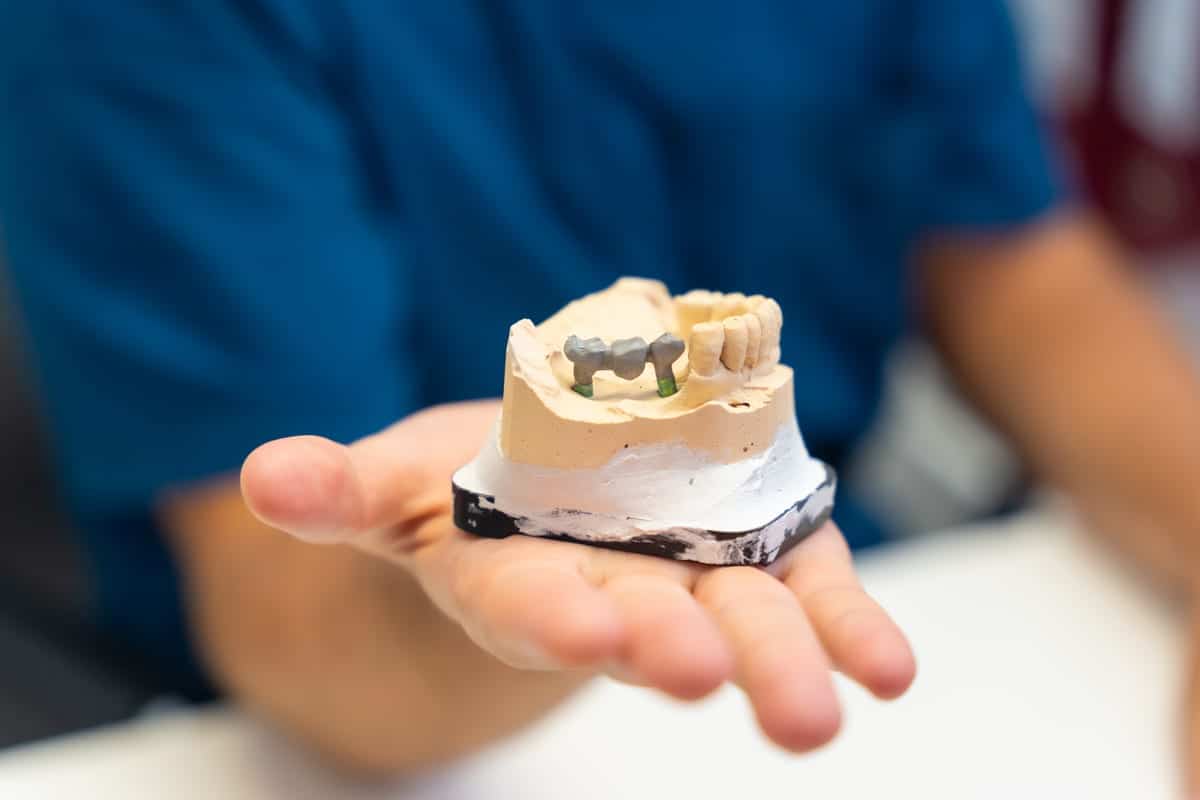
After extraction, replacement options may include:
- Dental implants
- Fixed dental bridges
- Partial dentures
Your local Hutto dentist will discuss which option best suits your oral health, budget, and long-term goals.
How to Reduce Your Risk of Needing a Root Canal
Although some injuries are unavoidable, many root canals can be prevented through consistent preventive care.
- Brush Twice Daily: Use fluoride toothpaste and brush for at least 2 minutes, twice a day.
- Floss Every Day: Flossing removes plaque and food debris between teeth where toothbrushes cannot reach.
- Schedule Regular Dental Checkups: The American Dental Association (ADA) recommends routine dental visits based on your individual oral health needs. Regular exams allow dentists to detect decay before it reaches the pulp.
- Wear a Mouthguard: If you participate in contact sports, wearing a custom-fitted mouthguard can help prevent traumatic injuries to front teeth.
- Avoid Using Teeth as Tools: Opening packages or biting hard objects with your teeth can cause cracks that may eventually require root canal treatment.
- Treat Cavities Early: Small cavities are far easier—and less expensive—to repair than infections involving the tooth’s pulp.
Why Saving Your Natural Tooth Matters
Whenever possible, preserving your natural tooth offers significant advantages over extraction.
Benefits include:
- Natural appearance
- Comfortable chewing
- Better speech
- Preservation of jawbone structure
- Prevention of neighboring tooth movement
- Reduced need for more complex restorative procedures
According to the American Association of Endodontists, saving your natural tooth is generally the healthiest and most cost-effective long-term solution when the tooth is restorable.
Conclusion
Both front teeth and molars can successfully receive root canal treatment, and each plays an important role in maintaining a healthy, functional smile. While front teeth typically have simpler anatomy and may recover more quickly, molars often require more complex treatment due to their multiple canals and the heavy forces they withstand during chewing.
Thanks to modern dental techniques, root canal therapy is a highly predictable procedure with excellent long-term success. More than 15 million root canals are performed annually in the United States, helping patients preserve their natural teeth instead of opting for extraction.
If you’re experiencing persistent tooth pain, sensitivity, swelling, or discoloration, don’t delay seeking professional care. Early diagnosis and treatment can prevent complications, relieve discomfort, and help you keep your natural teeth for years to come.
Frequently Asked Questions
1. Can front teeth really need root canals?
Yes. Front teeth often require root canals because of trauma, deep decay, cracks, or infection. Although they usually have only one canal, they can become infected just like molars.
2. Are molar root canals more difficult?
Generally, yes. Molars typically contain multiple roots and canals, making treatment more complex and sometimes requiring additional time or referral to an endodontist.
3. Does a root canal hurt?
Modern root canal treatment is performed using local anesthesia and advanced techniques. Most patients report that the procedure feels similar to receiving a routine dental filling.
4. How long does a root canal-treated tooth last?
With proper restoration, daily oral hygiene, and regular dental visits, many root canal-treated teeth can last for decades—or even a lifetime.
5. Will I need a crown after a root canal?
Many molars require crowns because they endure heavy chewing forces. Front teeth may not always need crowns if enough healthy tooth structure remains, though your dentist will recommend the best restoration based on your individual case.