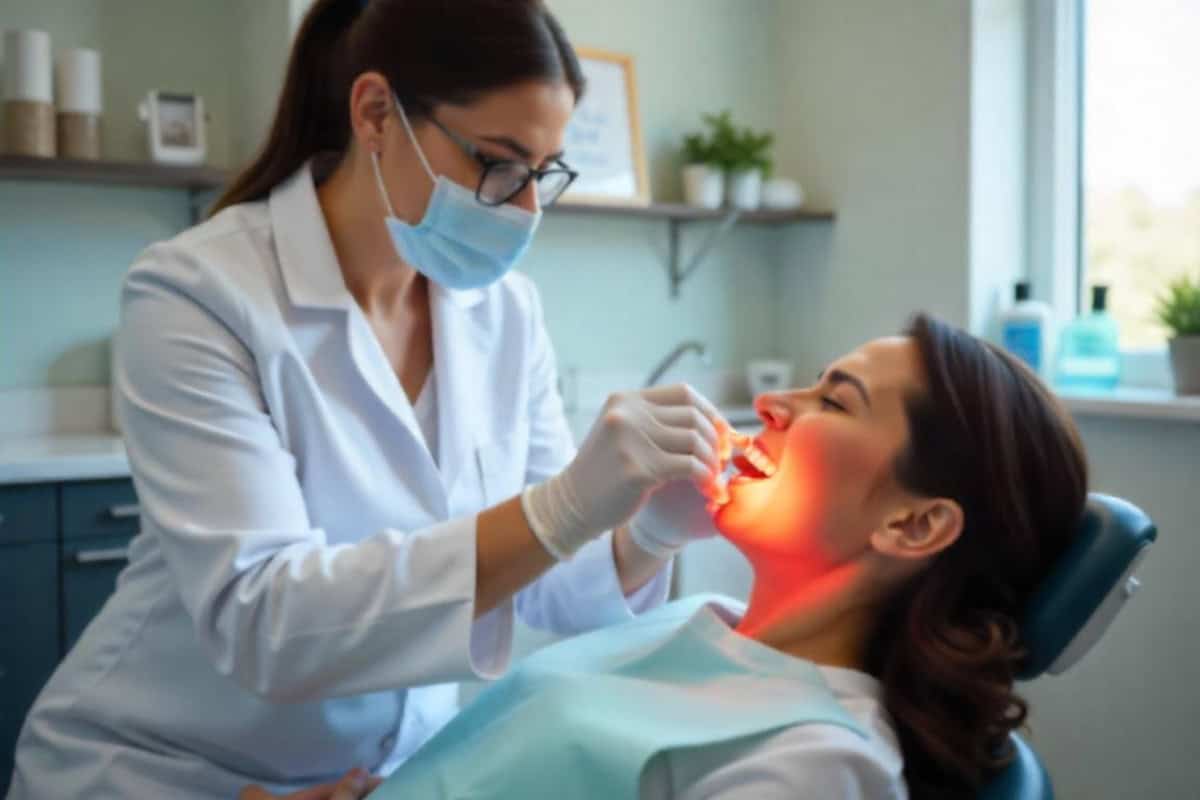

Imagine biting into your favorite meal only to experience a sudden, sharp toothache that won’t go away. Maybe you’ve noticed swelling around your gums or sensitivity that has gradually turned into constant pain. At this point, you may wonder: Can an emergency dentist still save my tooth, or is extraction the only option?
The good news is that many teeth affected by advanced decay can still be preserved when treated promptly. Modern emergency dentistry combines advanced diagnostic tools, minimally invasive procedures, and restorative treatments to help patients avoid tooth loss whenever possible.
According to the Centers for Disease Control and Prevention (CDC), more than 90% of adults aged 20 to 64 have experienced cavities, and approximately 1 in 4 adults has untreated tooth decay. Left untreated, these cavities can progress to severe infections that require urgent dental treatment.
Understanding how emergency dentists evaluate and treat advanced decay can help you make informed decisions before a minor cavity becomes a major dental emergency.
What Is Advanced Tooth Decay?
Advanced tooth decay occurs when bacteria have penetrated beyond the outer enamel and dentin, reaching the inner pulp where nerves and blood vessels are located.
A cavity doesn’t develop overnight. Instead, tooth decay progresses through several stages:
- Early enamel demineralization
- Small cavity formation
- Decay extending into dentin
- Infection reaching the dental pulp
- Tooth abscess or severe infection
Once bacteria infect the pulp, pain often becomes intense and persistent. At this stage, emergency dental care is usually necessary to save the tooth.
The National Institute of Dental and Craniofacial Research (NIDCR) reports that untreated cavities remain one of the most common chronic diseases affecting both children and adults in the United States.
Signs You Need an Emergency Dentist Immediately
Not every cavity requires same-day care, but certain symptoms indicate that decay has become an emergency.
Seek immediate treatment if you experience:
- Severe or throbbing tooth pain
- Swelling of the face or gums
- Pain when biting
- Persistent sensitivity to hot or cold
- Bad taste or pus around the tooth
- Fever accompanied by dental pain
- A cracked tooth exposing dark decay
- Bleeding or inflamed gums near the affected tooth
These symptoms often indicate that bacteria have reached the pulp or surrounding bone.
Ignoring these warning signs can allow the infection to spread into nearby tissues and, in rare cases, become life-threatening.
Can an Emergency Dentist Actually Save the Tooth?
In many cases, yes.
Emergency dentists prioritize saving natural teeth whenever possible because preserving your own tooth helps maintain:
- Proper chewing function
- Natural appearance
- Jawbone health
- Tooth alignment
- Bite stability
Whether your tooth can be saved depends on several factors, including:
- How Deep the Decay Has Spread: If enough healthy tooth structure remains, restoration may still be possible.
- Whether the Tooth Is Cracked: Small fractures can often be repaired, while severe vertical fractures may require extraction.
- Presence of Infection: Even infected teeth can often be saved with root canal therapy if treated before the damage becomes irreversible.
- Bone Support: Healthy surrounding bone significantly increases the likelihood of successful treatment.
Emergency Treatments That May Save Your Tooth
Today’s emergency dentists have multiple options for treating advanced decay without immediately removing the tooth.
1. Emergency Dental Filling
If the decay has not reached the pulp, removing the infected tissue and placing a durable filling may completely restore the tooth.
Composite resin fillings blend naturally with surrounding teeth while restoring strength and function.
Early intervention significantly reduces treatment complexity and cost.
2. Dental Crown
When decay destroys a large portion of the tooth but leaves enough healthy structure, a dental crown can restore its strength.
Crowns completely cover the damaged tooth, preventing further fractures and bacterial invasion.
Research published by the American College of Prosthodontists indicates that full-coverage restorations substantially improve the long-term survival of heavily damaged teeth.
3. Root Canal Therapy
Many people assume a root canal means losing the tooth.
In reality, it’s often the treatment that saves it.
During root canal therapy, the dentist:
- Removes infected pulp
- Cleans and disinfects the canals
- Seals the tooth
- Protects it with a crown when necessary
According to the American Association of Endodontists (AAE), root canal treatment has a success rate exceeding 95%, and many treated teeth can last a lifetime with proper care.
For patients with advanced decay reaching the pulp, this procedure is often the best alternative to extraction.
4. Emergency Drainage of an Abscess
If an abscess develops, relieving pressure becomes the priority.
Your emergency dentist may:
- Drain the infection
- Clean the affected area
- Prescribe antibiotics when appropriate
- Begin definitive treatment after swelling decreases
Prompt drainage reduces pain and helps prevent the infection from spreading.
When Is a Tooth Too Damaged to Save?
While emergency dentists make every effort to preserve natural teeth, there are situations where saving the tooth is no longer possible. Extraction may be the safest and healthiest option if:
- The decay has destroyed most of the tooth structure.
- The tooth has a vertical root fracture.
- Severe gum disease has caused significant bone loss around the tooth.
- The infection has spread beyond the point where root canal therapy can be successful.
- Previous restorations have failed, leaving insufficient healthy tooth for a crown.
Even if extraction is necessary, your emergency dentist in Hutto will discuss replacement options—such as dental implants, bridges, or partial dentures—to restore your smile and prevent neighboring teeth from shifting.
Why Acting Quickly Makes a Difference
Time is one of the biggest factors in determining whether a tooth can be saved.
When decay is left untreated, bacteria continue to multiply inside the tooth and surrounding tissues. What starts as a small cavity can progress into a painful abscess within weeks or months.
According to the American Dental Association (ADA), delaying treatment often results in more extensive procedures, higher costs, and an increased risk of permanent tooth loss.
Seeking emergency care as soon as symptoms appear greatly improves the chances of preserving your natural tooth.
What Happens During an Emergency Dental Visit?
Many patients avoid emergency appointments because they don’t know what to expect. Fortunately, modern emergency dental visits are designed to provide fast pain relief and an accurate diagnosis.
A typical emergency appointment may include:
Comprehensive Examination
Your dentist will evaluate the affected tooth, surrounding gums, and bite to determine the severity of the problem.
Digital X-Rays
Digital radiographs allow the dentist to identify:
- Hidden cavities
- Root infections
- Bone loss
- Cracks below the gumline
- Abscess formation
Digital imaging also exposes patients to significantly less radiation than traditional film X-rays.
Immediate Pain Relief
Depending on your condition, treatment may involve:
- Local anesthesia
- Temporary restoration
- Infection drainage
- Root canal therapy
- Prescription medications when clinically appropriate
The goal is to eliminate pain while creating a long-term treatment plan that preserves the tooth whenever possible.
What If the Tooth Must Be Removed?
Sometimes, extraction is unavoidable. Although losing a tooth may feel discouraging, modern dentistry offers excellent replacement options.
Your dentist may recommend:
Dental Implant: A dental implant replaces both the tooth root and crown, providing a durable, natural-looking solution. According to the American Academy of Implant Dentistry (AAID), more than 3 million Americans have dental implants, and that number continues to grow by approximately 500,000 implants each year.
Dental Bridge: A bridge restores the missing tooth by anchoring a replacement tooth to adjacent teeth.
Partial Denture: For patients missing multiple teeth, removable partial dentures can restore appearance and chewing function at a lower initial cost.
Replacing a missing tooth helps prevent neighboring teeth from shifting, reduces jawbone loss, and restores normal chewing ability.
The Hidden Costs of Waiting
Many people postpone emergency dental care because they hope the pain will disappear or because they’re concerned about treatment costs.
Unfortunately, delaying treatment often leads to:
- More extensive decay
- Increased treatment expenses
- Greater discomfort
- Higher risk of infection
- Tooth loss
- Bone deterioration
For example, a simple filling is generally far less expensive than a root canal and crown. Likewise, preserving a natural tooth is usually more affordable over the long term than extracting it and replacing it with a dental implant.
Early treatment protects both your oral health and your budget.
Tips to Prevent Advanced Tooth Decay
Although emergency dentists are trained to treat severe dental problems, prevention remains the best strategy.
To reduce your risk of advanced decay:
- Brush twice daily using fluoride toothpaste.
- Floss every day to remove plaque between teeth.
- Limit sugary snacks and acidic beverages.
- Schedule routine dental checkups every six months or as recommended.
- Treat small cavities before they become larger.
- Wear a mouthguard during contact sports.
- Avoid using your teeth to open packages or crack hard objects.
- Seek prompt dental care if you notice pain, swelling, or sensitivity.
The CDC notes that community water fluoridation reduces tooth decay by approximately 25% in children and adults, making fluoride one of the most effective public health measures for cavity prevention.
Why Choosing a Local Emergency Dentist Matters
When you’re dealing with severe tooth pain, every hour counts.
Choosing a trusted local emergency dentist offers several advantages:
- Same-day or next-day appointments
- Faster diagnosis and treatment
- Convenient follow-up care
- Access to advanced diagnostic technology
- Personalized treatment plans
- Ongoing preventive care after the emergency is resolved
A local dental practice also understands the community’s needs and can coordinate future restorative or cosmetic treatments if needed.
Whether you’re experiencing sudden pain, swelling, or a broken tooth, seeking prompt emergency care can mean the difference between saving and losing your natural tooth.
Conclusion
Advanced tooth decay does not automatically mean you’ll lose your tooth. Thanks to modern emergency dentistry, many teeth affected by severe decay can be successfully treated with procedures such as fillings, dental crowns, root canal therapy, or abscess treatment—especially when care is sought early.
Ignoring persistent tooth pain, swelling, or sensitivity allows decay to progress and increases the risk of permanent tooth loss. Acting quickly gives your emergency dentist the best opportunity to preserve your natural tooth, relieve pain, and restore your oral health.
If you’re experiencing signs of advanced decay, don’t wait for the discomfort to worsen. Contact a trusted local Hutto dentist as soon as possible. Prompt treatment can often save your tooth, reduce treatment costs, and help you maintain a healthy smile for years to come.
Frequently Asked Questions
1. Can a severely decayed tooth always be saved?
Not always. Whether a tooth can be saved depends on the extent of the decay, the amount of healthy tooth structure remaining, the condition of the root, and the health of the surrounding bone. An emergency dentist will evaluate your tooth with a clinical examination and digital X-rays before recommending treatment.
2. How do I know if I need emergency dental care for a cavity?
You should seek emergency dental care if you experience severe or persistent tooth pain, facial swelling, pus around the tooth, a bad taste in your mouth, fever, or difficulty chewing. These symptoms may indicate that the decay has reached the tooth’s pulp or caused an abscess.
3. Is a root canal better than having the tooth extracted?
In many cases, yes. Saving your natural tooth with root canal therapy helps maintain your bite, supports jawbone health, and prevents neighboring teeth from shifting. If the tooth can be restored successfully, a root canal is often the preferred option over extraction.
4. Can antibiotics cure advanced tooth decay?
No. Antibiotics may help control a bacterial infection that has spread beyond the tooth, but they cannot remove tooth decay or repair damaged tooth structure. Definitive dental treatment—such as a filling, root canal, or extraction—is necessary to eliminate the source of the infection.
5. How can I prevent advanced tooth decay in the future?
The best way to prevent advanced decay is to brush twice daily with fluoride toothpaste, floss every day, limit sugary foods and drinks, attend regular dental checkups, and seek treatment for small cavities before they become larger problems.