
Imagine this: You’re playing a friendly game of pickup basketball at the local park, or maybe your kid takes a tumble off the backyard swing. Suddenly, there’s a flash of white on the ground and a gap in a smile. Your heart drops. What do you do?
If you’re like most people, your first instinct is to panic. But here’s the cool part: science is on your side. Did you know that a knocked-out tooth is often totally saveable if you act within a specific “golden window” of time? We’re talking about the difference between a quick dental fix and a lifetime of expensive implants.
In this guide, we’re going to walk through the exact, high-stakes steps you need to take to save that tooth. Let’s turn that “oh no” moment into a “got this” moment.
The Reality of Dental Emergencies in the U.S.
Dental trauma is more common than you might think. According to the American Association of Endodontists (AAE), more than 5 million teeth are knocked out every year in children and adults alike. While it’s a frightening experience, the statistics regarding reimplantation are surprisingly hopeful.
A knocked-out tooth occurs when a permanent tooth is completely dislodged from its socket due to trauma, commonly from sports injuries, falls, or accidents.
- It’s a time-sensitive emergency
- It requires immediate first aid
- It has a high chance of survival—if handled correctly
According to research, up to 25% of children experience dental trauma, and adults are also at risk, especially during sports or accidents.
Why Time Matters: The “Golden Hour” Explained
When a tooth is knocked out, the root still contains living cells called periodontal ligament cells. These cells are essential for reattachment—but they begin dying quickly outside the mouth.
Survival Timeline
- Within 5 minutes: 85–97% success rate
- Within 30 minutes: Highest chance of saving the tooth
- 30–60 minutes: Moderate success rate
- After 60 minutes: Survival drops significantly
- After 2 hours: Less than 10% success
Bottom line: Every minute counts.
Step-by-Step Emergency Guide (What to Do Immediately)
1. Find the Tooth Quickly
Locate the tooth immediately. Handle it carefully.
Important: Always hold the tooth by the crown (top part), not the root.
2. Rinse Gently (If Dirty)
If the tooth is dirty:
- Rinse briefly with milk or saline
- Avoid scrubbing or using soap
- Do NOT dry it
This protects the delicate root cells.
3. Try to Reinsert the Tooth
If possible:
- Gently place the tooth back into the socket
- Bite down softly to keep it in place
This gives the highest chance of survival.
4. If Reinsertion Isn’t Possible, Keep It Moist
Never let the tooth dry out.
Best storage options:
- Milk (best option)
- Saliva (inside cheek)
- Tooth preservation kit (if available)
Avoid:
- Water (damages root cells)
- Tissue or dry cloth
Milk helps maintain the root’s biological structure, improving reimplantation success.
5. Get Emergency Dental Care Immediately
- Visit a dentist or ER within 30 minutes
- Bring the tooth with you
- Even if delayed, still seek care—some chance is better than none
What NOT to Do (Common Mistakes)
Many people unknowingly reduce survival chances. Avoid these:
- Touching or scrubbing the root
- Letting the tooth dry out
- Storing it in water
- Delaying dental care
- Wrapping it in tissue
Studies show knowledge gaps are widespread, with only 2–37% of people knowing proper emergency steps.
What Happens at the Dentist?
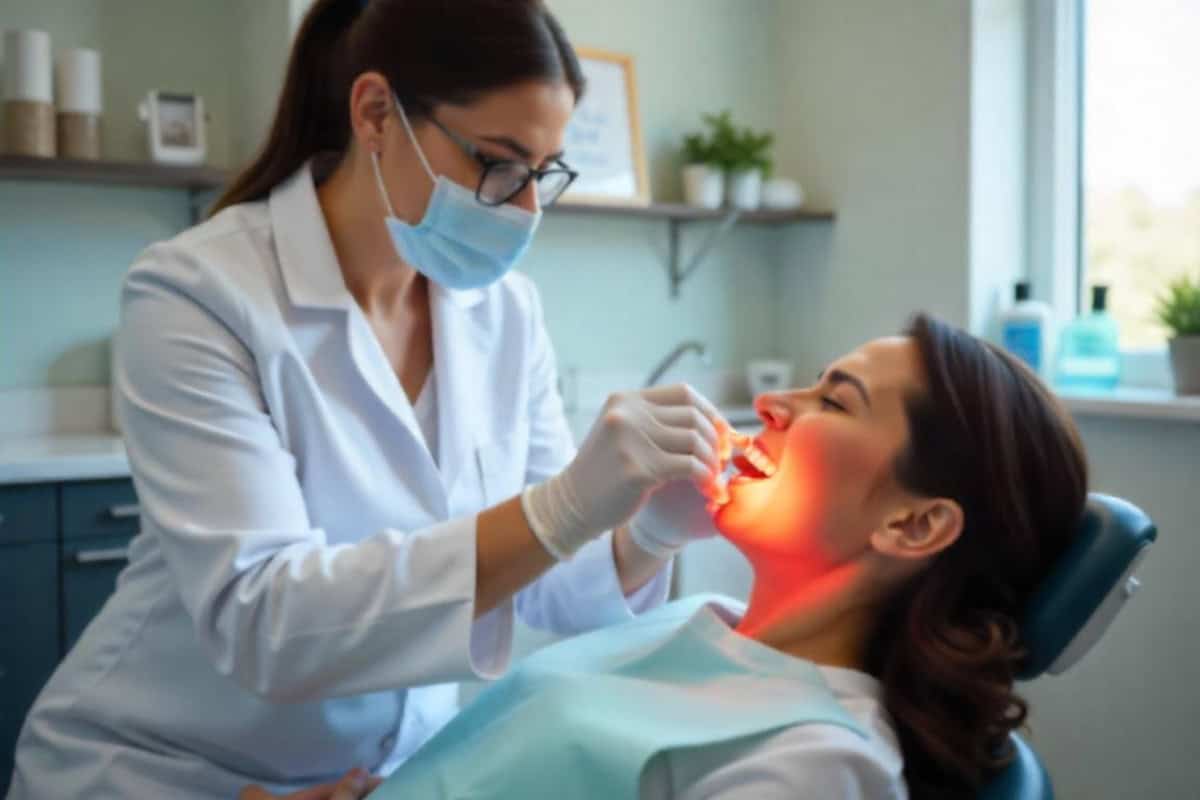
Once you reach a dental professional, they will:
- Clean and examine the tooth and socket
- Reinsert and stabilize (splint) the tooth
- Monitor healing over weeks
- Perform a root canal if needed
In many cases, the tooth is splinted for 2–8 weeks to stabilize it.
Can a Knocked-Out Tooth Always Be Saved?
Not always, but chances are better than most people think.
Success Depends On:
- Time outside the mouth
- Storage method
- Handling technique
- Patient’s age and health
Success Rates:
- Up to 90% when treated quickly
- Drops to 20–40% after 60 minutes
Even if reimplantation fails, dentists can offer alternatives like implants or bridges.
Baby Teeth vs. Permanent Teeth
Important distinction:
- Permanent teeth: Try to save and reimplant
- Baby teeth: Do NOT reinsert
Reimplanting baby teeth can damage the developing permanent tooth underneath.
Prevention Tips: Protect Your Smile
The best emergency is the one you avoid.
Use a Mouthguard
- Athletes are 60x more likely to suffer dental injuries without one
Other Tips:
- Wear helmets during sports
- Avoid chewing hard objects (ice, pens)
- Maintain strong oral health
Emotional Impact: It’s More Than Just a Tooth
A knocked-out tooth isn’t just physical—it affects:
- Confidence
- Speech
- Appearance
- Mental well-being
That’s why quick action matters—not just for your smile, but your overall quality of life.
Conclusion
A knocked-out tooth can feel like a nightmare—but it doesn’t have to end that way.
If you remember just three things, make it these:
- Act immediately
- Handle the tooth correctly
- Keep it moist and see an emergency dentist in Hutto fast
With the right steps, you can dramatically increase your chances of saving your natural tooth. In many cases, a few minutes of action can mean a lifetime of smiles.
Frequently Asked Questions
1. Can a knocked-out tooth really be saved?
Yes. If treated within 30 minutes, success rates can be as high as 90%.
2. Why is milk recommended for storing a tooth?
Milk preserves the root cells and maintains the correct pH balance, improving reimplantation success.
3. What happens if the tooth is out for more than an hour?
The survival rate drops significantly, but dentists may still attempt reimplantation depending on the case.
4. Should I try to put the tooth back myself?
Yes, if possible. Immediate reinsertion offers the best chance of saving the tooth before professional care.
5. Are baby teeth treated the same way?
No. Baby teeth should not be reinserted, as it may harm the permanent tooth developing underneath.