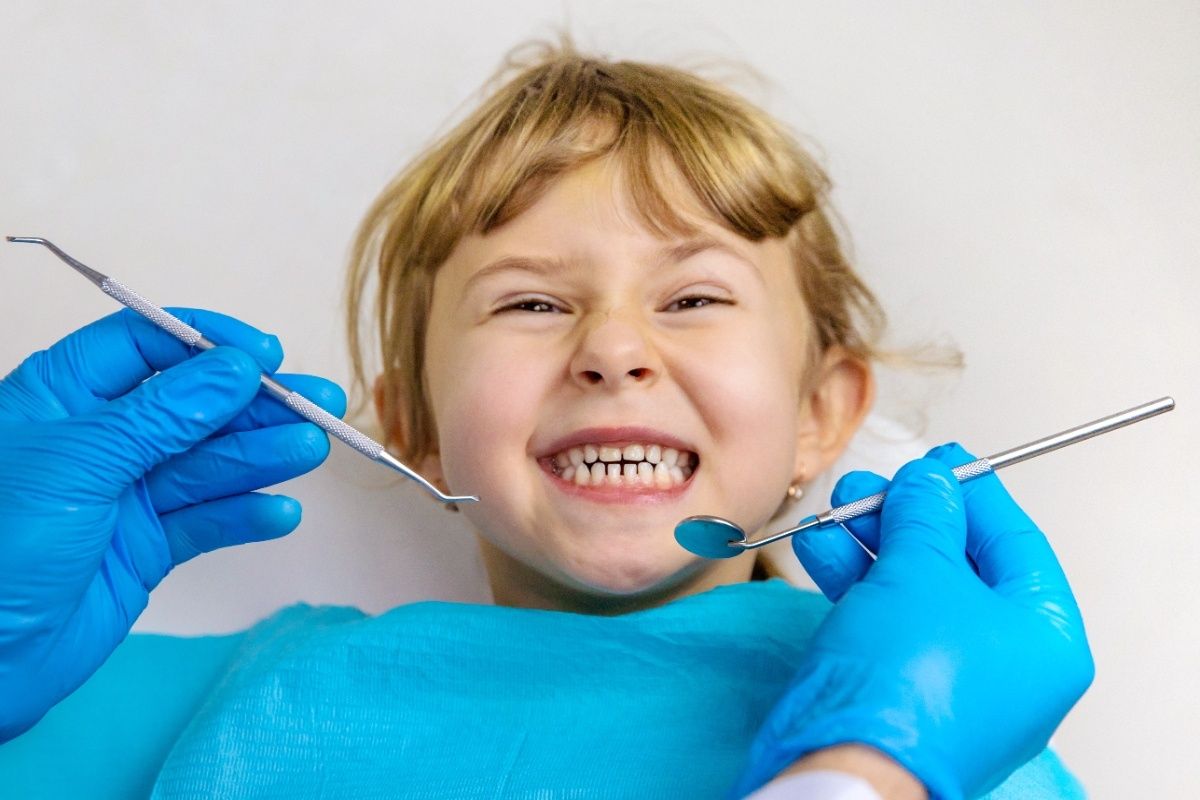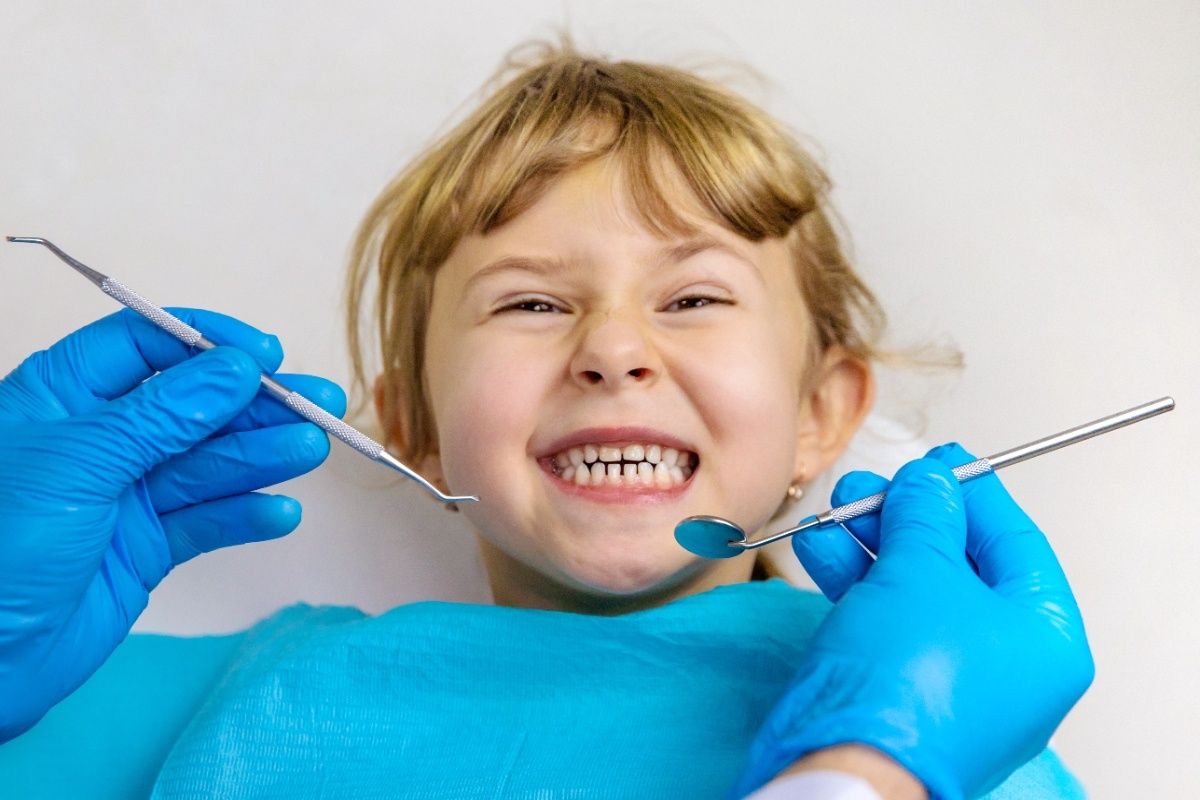
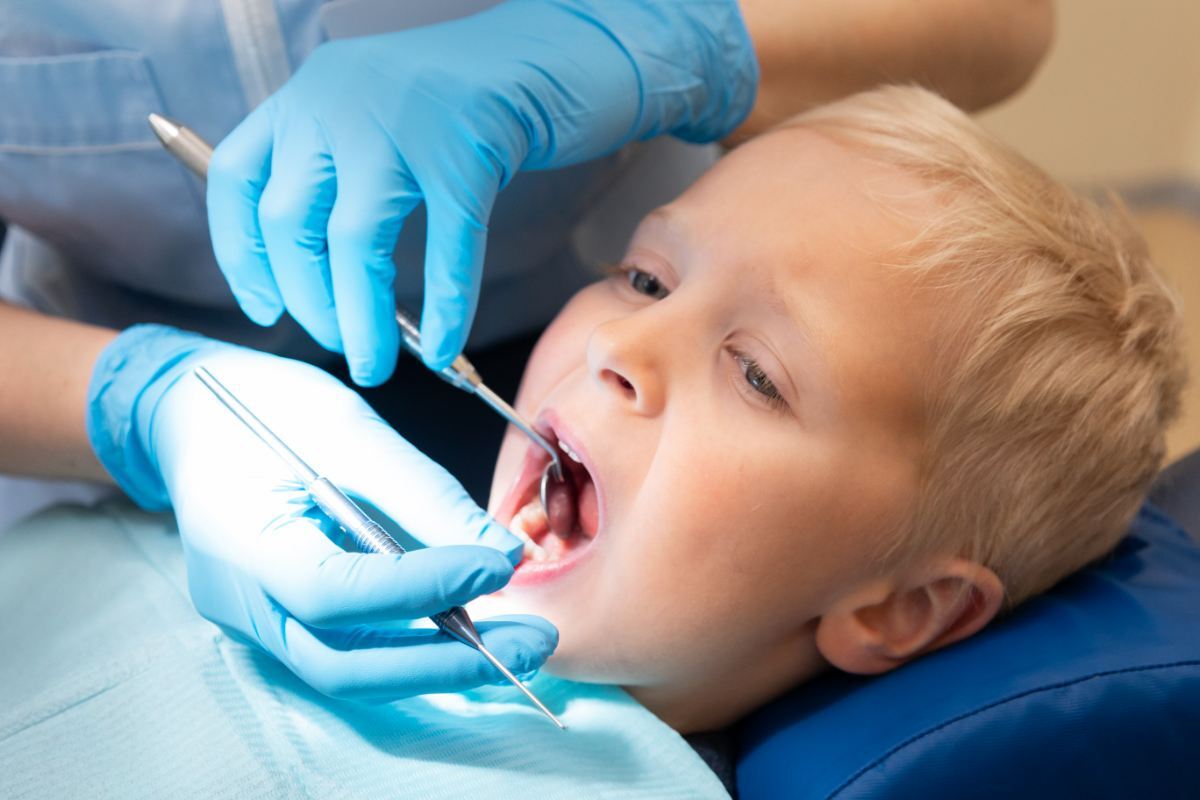
Does your child get nervous when you mention a dental appointment? Perhaps your little one worries about unfamiliar sounds, feels uncomfortable sitting in the dental chair, or asks whether a dental checkup will hurt. These concerns are common, especially when children are visiting a dentist for the first time.
The good news is that a dental visit doesn’t have to be frightening. With age-appropriate explanations, a calm approach, encouragement, and a little at-home preparation, children can gradually become more comfortable with dental care.
At Advanced Dental Care of Hutto, we understand that every child responds differently to a new environment. Dr. Chad Brown and our dental team focus on helping patients understand their care and feel as comfortable as possible during their appointments.
For families in Hutto, Texas, knowing what to expect during a child-friendly dental visit can help you prepare your child, reduce uncertainty, and build healthy habits that last into adulthood.
Why Are Comfortable Dental Visits Important for Children?
A positive early dental experience can help children become more familiar with dental care and less apprehensive about future appointments. Regular visits also give dentists opportunities to spot cavities, monitor tooth development, and discuss preventive care with parents.
According to the CDC’s 2024 Oral Health Surveillance Report, approximately 11% of children ages 2–5 had untreated tooth decay in their baby teeth. Among children ages 6–8, the figure was nearly 1 in 5. These statistics show why early dental care and prevention matter.
The CDC also reports that half of children ages 6–9 have had cavities in their baby or permanent teeth. Although cavities are common, regular dental visits, fluoride, good brushing habits, and healthy dietary choices can prevent or manage many.
When children feel comfortable asking questions and cooperating during an examination, the dental team can assess their oral health more effectively. A calm experience can also help parents learn how to support their child’s dental routine at home.
1. Using Child-Friendly Language to Explain Dental Procedures
Dental instruments and unfamiliar terminology can make a dental office seem intimidating to a young child. A pediatric dental visit becomes easier to understand when the dentist explains what will happen in simple, reassuring language.
For example, instead of using technical terms, the pediatric dentist in Hutto might explain that a small mirror helps count teeth or that a special light helps check tooth surfaces for health.
The American Academy of Pediatric Dentistry (AAPD) recommends communication techniques that match a child’s age, developmental level, and individual needs. Clear instructions and empathetic communication can help children understand what is expected of them.
At Advanced Dental Care of Hutto, Dr. Chad Brown emphasizes explaining treatment before proceeding. For children, that approach can mean breaking information into small steps and giving them time to ask questions.
Parents can support this process by using neutral, positive language at home. Avoid making promises that no procedure will ever be uncomfortable. Instead, explain that the dentist will describe what is happening and help them manage any discomfort.
2. Introducing Dental Tools Gradually With the Tell-Show-Do Technique
One evidence-based approach to helping children feel more at ease is the tell-show-do technique. The AAPD includes this technique among its basic behavior-guidance methods for pediatric dental patients.
The process has three parts:
- Tell: Explain the next step in language the child understands.
- Show: Demonstrate the instrument or action in a nonthreatening way.
- Do: Perform the procedure after the child has had an opportunity to understand what will happen.
For example, before using a dental mirror, the dentist may explain its purpose and let the child see the instrument. The dentist then uses it to examine the teeth.
This gradual introduction can reduce uncertainty because the child is not surprised by every new sound, sensation, or movement.
The approach can be adjusted for a child’s age, communication preferences, and previous experiences. A toddler may need short explanations and extra time, while an older child may prefer a more detailed description.
3. Creating a Welcoming and Calm Dental Environment
A child’s first impression of a dental office can influence how they feel about the appointment. An organized, friendly environment and a patient team can help make the experience less overwhelming.
Children may feel more secure when the dental team introduces itself, explains where they will sit, and lets them get familiar with the room before starting the exam.
Some children need a little extra time to adjust. Others may be comfortable immediately. The goal isn’t to expect every child to behave the same way, but to recognize individual needs and respond appropriately.
Advanced Dental Care of Hutto focuses on comfortable, patient-centered care and takes time to understand each patient’s concerns. For families visiting our Hutto office, sharing information about a child’s previous dental experiences can help our team plan the appointment more thoughtfully.
If your child has sensory sensitivities, difficulty communicating, or a history of strong dental anxiety, mention this when booking. The dental team can discuss suitable accommodations before the visit.
4. Encouraging Children With Positive Reinforcement
Children often respond well to encouragement when they are learning something unfamiliar. Positive reinforcement involves recognizing specific actions that help a child participate in the appointment.
For example, the dentist might praise a child for opening their mouth, keeping their hands relaxed, or asking a question when something feels unfamiliar.
The AAPD recognizes positive reinforcement and descriptive praise as behavior-guidance techniques. Its recommendations emphasize choosing strategies based on the child’s individual needs and the treatment being provided.
Parents can reinforce this approach by acknowledging effort rather than expecting perfection. A child who feels nervous but still sits in the chair or allows a brief examination has made progress.
Avoid comparing your child with siblings or other children. Statements such as “Your brother never cries” may increase embarrassment instead of building confidence.
Instead, focus on what your child did well and remind them that getting comfortable with dental care takes practice.
5. Using Distraction to Reduce Dental Anxiety
Sometimes, helping a child focus on something other than a dental instrument or procedure can make an appointment easier.
Depending on the office and the child’s needs, distraction may involve conversation, storytelling, music, audiovisual entertainment, or guided breathing.
The AAPD identifies distraction as a basic behavior-guidance technique. Its evidence review also found that certain approaches, including audiovisual distraction, may help reduce anxiety in some children undergoing dental treatment. Results vary, so no single technique works equally well for everyone.
For younger children, a simple story or conversation may be enough. Older children may prefer music or an approved visual distraction.
The dental team should still communicate clearly with the child throughout treatment. Distraction is meant to support comfort, not prevent the child from understanding instructions or expressing concerns.
Parents can help by asking the office which comfort options are available and whether their child may bring a familiar item, such as a small comfort toy, when appropriate.
6. Adjusting the Appointment to the Child’s Age and Needs
A comfortable dental visit should reflect the child’s developmental stage, medical history, temperament, and previous experiences.
A very young child may struggle to sit still for an extended period. A school-aged child may want to know why a dental X-ray is needed or how a cavity forms. A teenager may prefer a direct explanation and a greater role in discussing treatment choices.
The AAPD recommends individualized behavior guidance rather than a one-size-fits-all approach. This can include adjusting communication, providing reassurance, allowing breaks when appropriate, and considering additional support for children with dental anxiety or special health care needs.
For some children, gradual familiarization with the dental environment may help. In other situations, a dentist may discuss additional options, such as nitrous oxide, when clinically appropriate. Any medication or sedation option requires an assessment of its benefits, risks, indications, and precautions, along with informed consent.
At Advanced Dental Care of Hutto, Dr. Chad Brown can discuss your child’s needs and explain the available options for appropriate dental care. Parents should share relevant medical information, medications, allergies, and concerns before treatment begins.
7. Helping Parents Prepare Children Before the Appointment
A child’s experience starts before they arrive at the dental office. The way parents introduce the appointment can help set expectations and reduce uncertainty.
Try these practical steps:
- Talk about the visit in a positive, matter-of-fact way. Explain that the dentist will count the teeth, check the gums, and help keep the mouth healthy. Avoid describing frightening scenarios or sharing upsetting dental stories in front of a nervous child.
- Read a children’s book about visiting the dentist. A familiar story can help a young child understand the basic steps before the actual appointment.
- Play pretend dentist at home. Use a toothbrush and a mirror to take turns counting teeth. Keep the activity gentle and avoid putting objects deep into the mouth.
- Choose a suitable appointment time. When possible, schedule the visit when your child is usually rested and less likely to be hungry or tired.
- Share concerns with the dental team. Tell the office if your child has had a difficult previous appointment, dislikes certain sounds, or needs additional time to become comfortable.
These small preparations don’t guarantee every visit will be easy, but they can help children arrive with a clearer idea of what to expect.
How Often Should Children Visit the Dentist?
Many children benefit from dental checkups about every six months, though the right schedule depends on their oral health and risk of tooth decay. Some children need more frequent visits or preventive care based on their individual circumstances.
The American Academy of Pediatric Dentistry recommends establishing a dental home by the time a child’s first tooth appears and no later than their first birthday. Early visits help parents learn about brushing, fluoride, feeding habits, and cavity prevention.
Preventive care matters because cavities can develop before a child complains of pain. A dentist can spot early signs of tooth decay and recommend treatment before the problem worsens.
At home, parents should help children brush twice daily with an age-appropriate amount of fluoride toothpaste and supervise brushing until the child can clean effectively. Start daily cleaning between teeth when adjacent teeth touch.
The CDC notes that fluoride varnish can reduce cavities in primary teeth by approximately 33%. Your dentist can assess whether fluoride varnish or other preventive measures are appropriate for your child.
Making Children’s Dental Visits Comfortable in Hutto, TX
Helping children feel comfortable at the dentist involves more than a friendly welcome. Clear explanations, gradual introductions to instruments, positive reinforcement, appropriate distraction, and individualized care can all contribute to a better experience.
At Advanced Dental Care of Hutto, Dr. Chad Brown and our dental team work to make dental care understandable and comfortable for patients. We encourage parents to share their child’s concerns and ask questions so we can discuss suitable ways to support the visit.
Whether your child is coming in for a first examination, a routine cleaning, or treatment for a dental concern, preparation and communication can help make the experience more manageable.
Conclusion
A pediatric dental visit can feel less intimidating when children know what to expect and are treated with patience and understanding. Child-friendly explanations, the tell-show-do technique, positive reinforcement, distraction, and age-appropriate communication are among the methods the AAPD recommends to support children during dental care.
Regular checkups also help identify problems early and give parents practical advice for preventing cavities. With support from parents and a dental team that listens to their concerns, children can gradually become more familiar with dental visits.
If you are preparing for your child’s next appointment, Advanced Dental Care of Hutto is here to help you understand the process and discuss your child’s dental needs.
Visit our dental practice in Hutto. Book now to schedule your appointment with our team.
Frequently Asked Questions
1. What dental services does your practice provide?
Our dental practice provides a range of general, preventive, restorative, cosmetic, and other dental services. Dr. Chad Brown and our team can discuss your family’s needs and help determine which services are appropriate for each patient.
2. When should my child first visit the dentist?
The American Academy of Pediatric Dentistry recommends establishing a dental home when the first tooth appears and no later than the first birthday. Early visits help monitor tooth development and provide parents with guidance on preventing cavities.
3. How often should my child have a dental checkup?
Many children benefit from visits about every six months. However, our dentist may recommend a different schedule based on your child’s cavity risk, gum health, and other oral health needs.
4. What should I do if my child is afraid of the dentist?
Tell our dental team about your child’s concerns before the appointment. We can discuss ways to prepare your child, explain procedures in age-appropriate language, and consider suitable comfort strategies based on their needs.
5. How can I help prevent cavities in my child’s teeth?
Help your child brush twice daily with fluoride toothpaste, supervise brushing when needed, encourage daily cleaning between teeth when they touch, limit frequent sugary snacks and drinks, and schedule regular dental checkups. Our dentist can recommend additional preventive care based on your child’s individual risk.