Have you ever tried to convince a seven-year-old that a plate of broccoli is “actually delicious”? Or tried to get a busy ten-year-old to slow down long enough to tie their shoes, let alone spend ten minutes flossing through a maze of metal wires?
If the thought of “metal mouth” school photos and emergency trips to the orthodontist for broken brackets has you feeling a bit stressed, you aren’t alone. As parents in the U.S., we want the best for our kids—especially when it comes to their health and confidence. But as technology evolves, the big question remains: Is Invisalign actually safe for children’s developing teeth and gums? Or is it just a “cool” alternative to the tried-and-true metal braces we grew up with?
Let’s dive into the data, the safety specs, and the reality of clear aligner life for the younger crowd.
Safety First: The Rise of the “Invisible” Kid
The orthodontic landscape has shifted dramatically. Gone are the days when clear aligners were reserved for adults in boardrooms. According to industry data from early 2025, over 18 million people worldwide have used Invisalign, including more than 4.5 million teenagers.
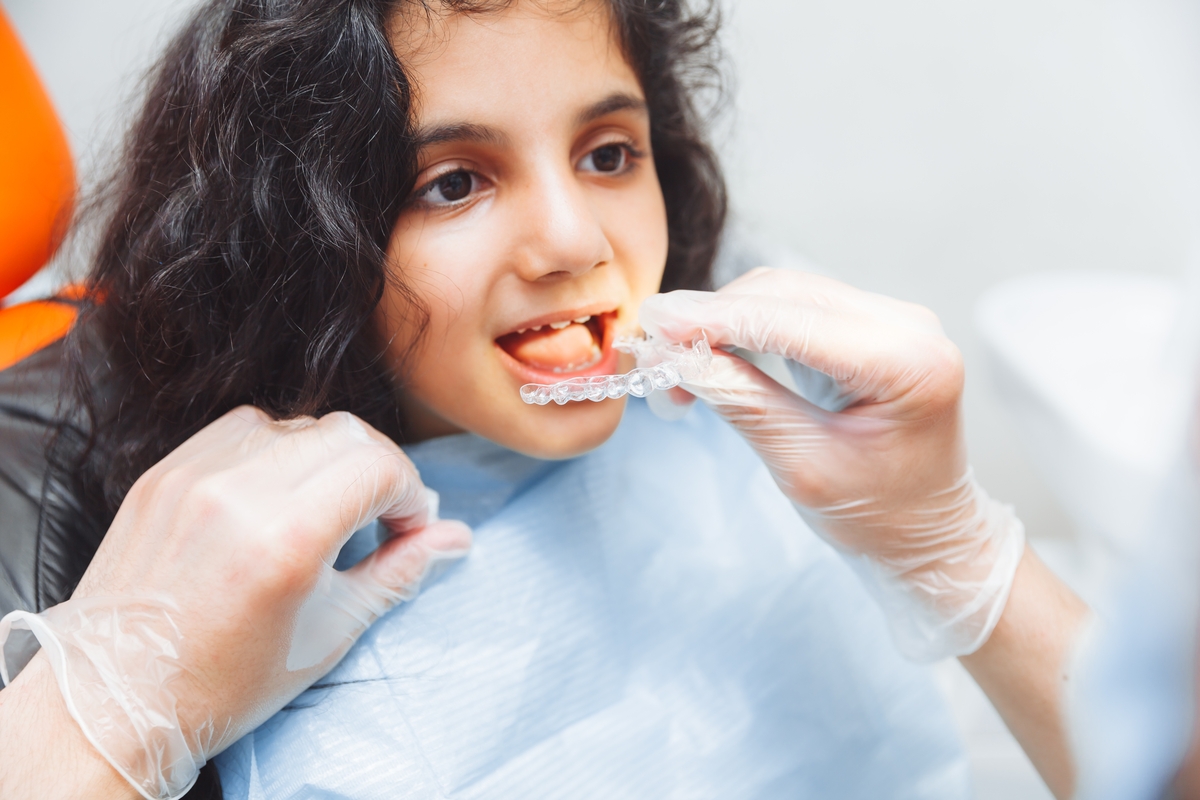
But safety isn’t just about popularity; it’s about biology. Invisalign First™ is specifically designed for children aged 6 to 10. This “Phase 1” treatment targets growing mouths with a mix of baby and permanent teeth.
FDA-Cleared and Medical-Grade Materials
Invisalign aligners are made from SmartTrack® plastic, a medical-grade, BPA- and BPS-free material that’s safe to wear in the mouth for long periods. They’re also FDA-cleared, which means they meet strict safety and material standards for dental devices.
This means the material itself is not harmful to your child’s teeth or gums when used as directed.
Better Gum Health Compared to Braces
One study comparing Invisalign with traditional braces in teens (ages 10–18) found that Invisalign users had lower plaque levels and less gum inflammation over 12 months of treatment. That’s a big deal — healthy gums are a key part of long-term oral health!
In contrast, metal braces can create “hideouts” for food and plaque, increasing the risk of gum irritation or gum disease if cleaning isn’t meticulous.
Reduced Mouth Injuries
Because Invisalign aligners are smooth and removable, kids are less likely to experience cuts or abrasions on the gums and cheeks—a risk associated with brackets and wires in conventional braces. This is especially beneficial for active children and athletes.
Kid-Friendly Benefits That Boost Safety
- Easier to Brush and Floss: Since aligners come out while eating and during oral care, kids can brush and floss normally — a big advantage over braces, where wires and brackets can complicate cleaning and trap bacteria.
Clean teeth = healthier gums.
- Less Pain and Discomfort: Research shows that Invisalign often causes less initial pain than traditional braces. In a survey of teenagers, those with Invisalign reported lower pain scores compared to those wearing metal braces.
This doesn’t mean zero discomfort — some pressure and soreness can happen — but for many kids, it’s more comfortable overall.
- Removability is a Safety Feature: Being removable means aligners don’t interfere with eating most foods and can be taken out for sports or instruments. It also means kids learn accountability — but more on that later.
Important Considerations (Yes, We’re Getting Real)
Even though Invisalign is widely considered safe and effective, it’s not without challenges. Let’s break these down clearly:
- Compliance Matters Big Time: Invisalign only works if your child wears their aligners 20–22 hours per day. Failure to do this significantly increases the risk that the treatment won’t progress as planned or will take longer than expected.
This means responsibility and routine are key, and younger kids (or very low-compliance teens) may struggle with them.
- Risk of Losing or Damaging Aligners: Because aligners are removable, they can be misplaced or damaged — especially in younger children. Lost trays can delay treatment and increase costs if replacements are needed.
- Not Right for Every Case: Invisalign may be safe, but it’s not always the best choice for complex orthodontic issues— such as severe bite problems or large gaps—where traditional braces still offer better control.
A qualified orthodontist will help determine suitability.
- Plaque Risk Without Good Hygiene: While better for cleaning, life with aligners still requires discipline. If a child slips into poor brushing habits or doesn’t clean their trays, plaque can build up, increasing the risk of cavities or gum irritation.
So education and supervision are key parts of keeping Invisalign safe and effective.
What About Younger Kids? (Ages 6–10)
- Historically, Invisalign was used mainly for teens and adults. But now there’s Invisalign First, designed for kids ages 6–10 — helping address early orthodontic concerns like crowding and arch development.
- Early evaluation with an orthodontist — recommended by the American Association of Orthodontists by age 7 — helps determine the right timing for treatment.
That said, younger children may struggle more with compliance, and aligners aren’t the ideal choice in every situation.
Safety Checklist: Signs Invisalign Is a Good Fit
Ask yourself:
- Is my child responsible enough to wear aligners nearly all day?
- Can they brush and floss after every meal before replacing the trays?
- Do they have a supportive routine to help them stay on track?
- Are their orthodontic needs appropriate for clear aligner treatment?
If you can confidently answer yes — and your orthodontist agrees — Invisalign can be both safe and effective.
Conclusion
So, how safe is Invisalign for your child? The data points to a resounding “very safe.” From a biological standpoint, it offers superior gum health and fewer soft-tissue injuries than traditional metal braces. From a developmental standpoint, it has been clinically proven to effectively guide jaw growth and tooth eruption.
However, the “safest” bet is always consultation with a local Invisalign provider in Hutto. Every child’s mouth is a unique puzzle. While aligners are fantastic for mild to moderate cases, some complex bite issues may still require the heavy lifting of traditional braces.
Frequently Asked Questions
1. At what age is Invisalign safe for kids?
Invisalign First is designed for children as young as age 6, but orthodontists usually recommend treatment when enough permanent teeth have erupted (often around ages 10–12) for the best results.
2. Does Invisalign hurt kids’ gums?
Most kids experience only mild pressure or soreness at the start of new aligner sets. The smooth plastic is less likely to irritate the gums than brackets and wires.
3. What happens if my child doesn’t wear Invisalign enough?
If aligners aren’t worn the recommended 20–22 hours daily, teeth may not move as planned, and treatment can take longer or be less effective.
4. Can Invisalign cause cavities or gum problems?
Only if your child doesn’t clean their teeth and aligners properly. Good brushing and flossing after meals is essential to prevent plaque buildup.
5. Is Invisalign better than braces for kids?
It’s often easier to clean around braces, but they may still be the safer and more effective choice for complex orthodontic issues. A professional evaluation is key.