Have you ever caught yourself mid-laugh and suddenly felt the urge to cover your mouth? Or maybe you’re scrolling through your camera roll and realize you’ve perfected the “closed-mouth” smile to hide a few crooked teeth. If that sounds like you, first of all, you are not alone. Did you know that according to recent 2026 industry data, nearly one in three orthodontic patients in the United States is now an adult?. Whether you’re a professional looking to polish your image or a parent trying to navigate the “metal mouth” years for your teen, the big question always boils down to one choice: Invisalign vs. Braces. Should you go with the tried-and-true reliability of metal brackets, or is the high-tech, “invisible” world of clear aligners the way to go? Grab a coffee (or a glass of water if you’re already wearing your trays!) and let’s dive into the stats, the costs, and the real-life logistics of picking your perfect smile.
The Landscape of American Smiles in 2026
Orthodontics has come a long way from the bulky headgear of the 90s. As of 2026, the global “invisible” orthodontics market has reached approximately $16.8 billion, with North America leading with a 38% market share.
We are living in an era of “aesthetic consciousness.” We want results, but we also want to look good while getting them. However, “looking good” is only one part of the equation. Effectiveness, cost, and commitment are the pillars that will ultimately decide which treatment lands in your mouth.
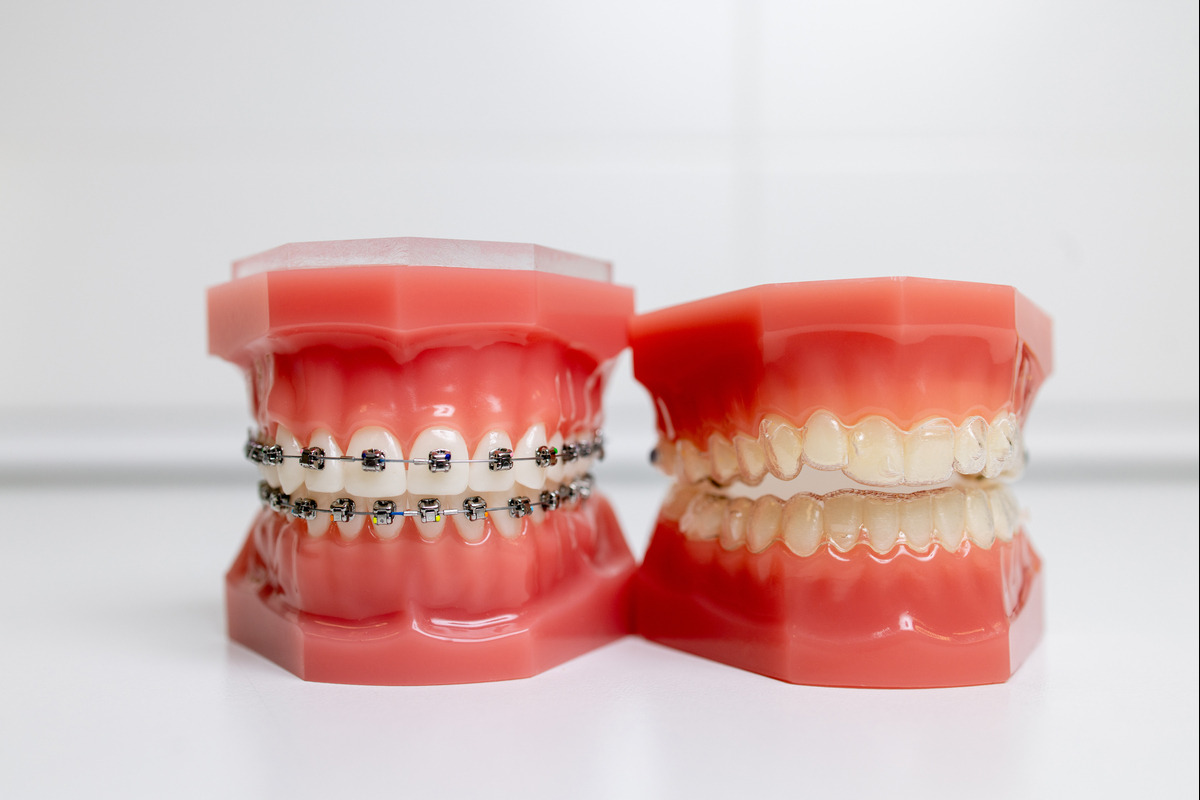
Invisalign vs. Braces: Key Differences
1. Effectiveness and Treatment Results
Both treatments are highly effective—but not always equally suited for every case.
- Studies show both Invisalign and braces significantly improve alignment and bite stability
- Invisalign in Hutto works best for mild to moderate cases, while braces remain the gold standard for complex issues like severe crowding or bite problems
- Research indicates that Invisalign may have limitations in complex tooth movements like root alignment and rotations
Bottom line:
- Mild cases → Invisalign works well
- Complex cases → Braces often outperform
2. Treatment Time
- Braces: Typically 1–2 years
- Invisalign: Usually 6–18 months for mild cases
Some studies show similar overall treatment durations, depending on case complexity.
Invisalign may be faster—but only if worn consistently.
3. Appearance and Confidence
This is where Invisalign shines:
- Nearly invisible trays
- No metal brackets or wires
- Popular among adults and professionals
In contrast, braces are visible—but modern options like ceramic braces are less noticeable.
If aesthetics matter most, Invisalign is the clear winner.
4. Comfort and Convenience
Invisalign:
- Smooth plastic (less irritation)
- Removable for eating and brushing
- Fewer emergency visits
Braces:
- Can cause discomfort from wires and tightening
- Food restrictions (no sticky or hard foods)
Invisalign is generally more comfortable and flexible.
5. Discipline and Responsibility
Here’s the catch:
- Invisalign requires strict compliance (20–22 hours/day)
- Braces work continuously—no effort needed
If you’re forgetful or have a busy lifestyle, braces may be more reliable.
6. Oral Hygiene and Health
- Invisalign allows easy brushing and flossing
- Braces can trap food and plaque, increasing the risk of cavities
Some reports suggest that aligners may lead to fewer oral health issues during treatment.
.Pros and Cons Overview
Invisalign Pros
- Nearly invisible
- Removable
- More comfortable
- Easier oral hygiene
Invisalign Cons
- Requires discipline
- Not ideal for complex cases
- Can be more expensive
Braces Pros
- Highly effective for all cases
- No compliance issues
- Often more affordable
Braces Cons
- Visible
- Food restrictions
- More difficult cleaning
Which Option Is Right for You?
Choose Invisalign if you:
- Have mild to moderate alignment issues
- Want a discreet treatment
- Can commit to wearing aligners daily
- Prefer flexibility with food and lifestyle
Choose Braces if you:
- Have severe crowding or bite problems
- Want a “set-it-and-forget-it” solution
- Don’t want to worry about compliance
- Are you looking for a cost-effective option
Experts agree: there’s no one-size-fits-all answer—the best choice depends on your dental needs and lifestyle.
Why This Decision Matters for Your Oral Health
Orthodontic treatment isn’t just cosmetic—it can:
- Improve bite function
- Reduce the risk of tooth decay and gum disease
- Prevent jaw pain and wear on teeth
A properly aligned smile contributes to long-term oral health and confidence, making this an investment in your future.
Conclusion
Ultimately, the “best” treatment isn’t a brand name—it’s the one that fits your biology and your lifestyle. Both Invisalign and traditional braces have seen massive technological leaps in 2026. Invisalign offers the freedom of a “stealth” treatment, while braces offer the “unbreakable” reliability of a fixed appliance.
Before you make a decision, schedule a consultation with a local certified Hutto dentist. Most offer 3D iTero scans that can show you a “before and after” simulation of your teeth before you even spend a dime. Your dream smile is closer than you think!
Frequently Asked Questions
1. Is Invisalign as effective as braces?
Yes—for mild to moderate cases. However, braces are generally more effective for complex orthodontic issues.
2. How long does Invisalign take compared to braces?
Invisalign can take 6–18 months, while braces usually take 1–2 years, depending on the case.
3. Is Invisalign more expensive than braces?
It can be slightly more expensive, but costs often overlap depending on treatment complexity and insurance.
4. Does Invisalign hurt less than braces?
Most patients report less discomfort with Invisalign, though some pressure is normal when switching aligners.
5. Which option is better for adults?
Invisalign is often preferred by adults due to its discreet appearance and flexibility, but braces may still be recommended for complex cases.