
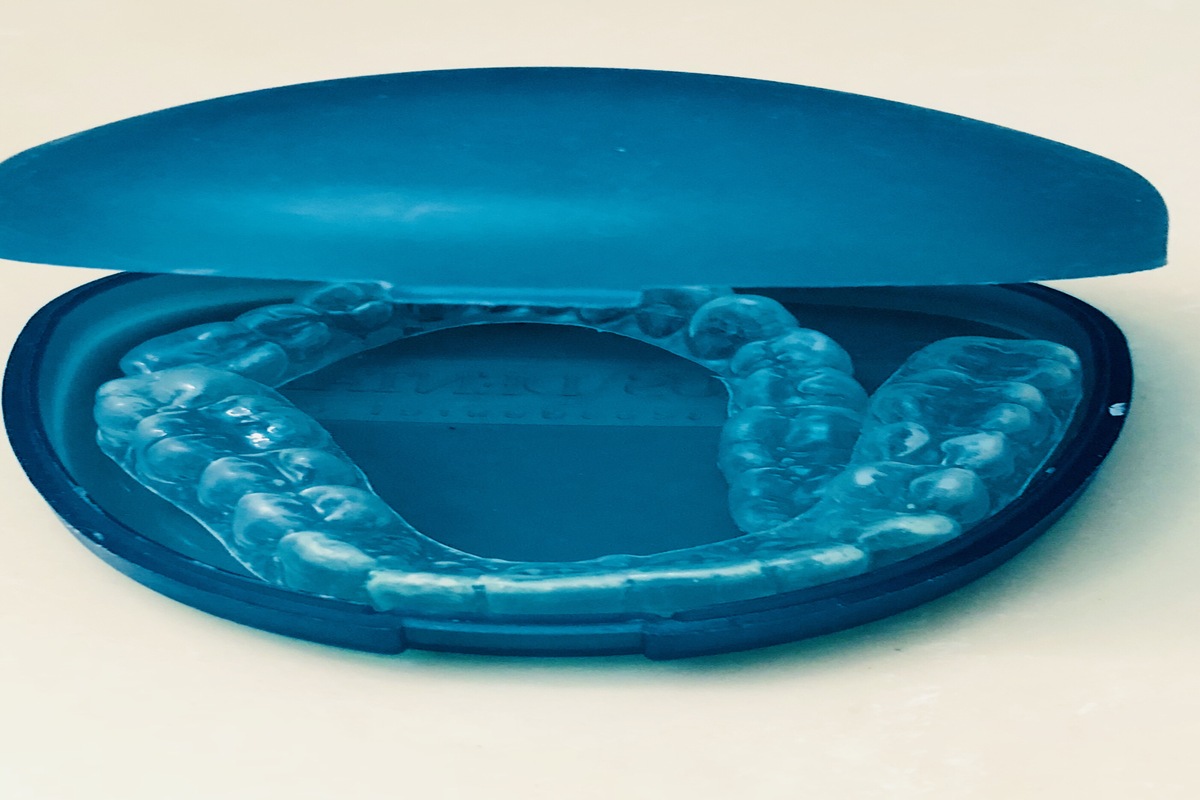
We’ve all been there. You wrap your Invisalign retainer in a napkin at a restaurant, or maybe it does a disappearing act during a weekend getaway. One minute your smile is secure, and the next, you’re staring at an empty case (or no case at all).
Take a deep breath! You aren’t alone. In fact, a 2023 study published in BMC Oral Health found that nearly 19% of patients admit to not wearing their retainers as instructed, often due to forgetting them or—you guessed it—losing them. But while it’s a common hiccup, it requires a quick response. Your teeth have spent months moving into the perfect position, and they are surprisingly eager to “relapse” or shift back.
If you’re currently retracing your steps or digging through a trash can, stop for a second and read this. Here is exactly what you need to do immediately to protect your investment and your smile.
Why Losing a Retainer Matters More Than You Think
You might assume that once your Invisalign trays are done, your teeth are locked in place forever. Unfortunately, that’s not how tooth movement works: your teeth are always adjusting slightly throughout life unless held in place.
Clear, removable retainers (like Invisalign’s Vivera or Essix retainers) are designed to prevent subtle tooth movement. A study on removable retainers found that clear vacuum-formed retainers (like Invisalign style) were more likely to be lost compared to traditional Hawley retainers — mostly because they’re nearly invisible and easily forgotten or misplaced.
Without proper retention, your teeth can — and often do — begin to shift back toward their original positions. That’s orthodontic relapse, and it’s one of the biggest risks after losing your retainer. The longer you go without a retainer, the greater the chance your smile will shift.
Step-by-Step: What To Do Immediately
Here’s how to act right now if your Invisalign retainer is lost:
Stop. Don’t Freak Out (Too Much)
Yes — it feels like a setback. But losing a retainer isn’t the end of the world. Your teeth won’t instantly jump back into crooked land. However, your risk of shifting increases the longer you go without a retainer.
What you shouldn’t do:
- Keep eating without a retainer or makeshift spacer
- Wrap it in a napkin or pocket again (that’s how many retainers get lost in the first place)
Call Your Orthodontist Today
This is your MVP move.
Even if you’ve moved or aren’t sure which orthodontist did your treatment, call someone — a local orthodontist or dentist — and explain the situation. They can:
- Check if your old dental records or scans are still on file
- Order replacement retainers
- Monitor whether your teeth have shifted since losing the retainer
Some offices even have packages where multiple retainers are made at once, so losing one doesn’t mean panic every time.
Speed matters: Retainers take time to produce — often several days or weeks — so the earlier you call, the sooner you can stop your teeth from drifting.
Wear Any Backup Retainers You Have
If your orthodontist gave you more than one set of retainers (some offices do), use your backup immediately.
Put them in as soon as possible — a temporary replacement can help hold your teeth while you wait for permanent replacements. Confirm fit first; if they feel uncomfortable or tight, reach out to your dentist before wearing them too long.
Consider Remake Options (Even DIY Temporary Ones)
If you don’t have a backup and you’re waiting on replacements, ask your dentist about temporary options.
There are online vendors and dental labs that can make a custom retainer from impressions you take at home — not ideal, but better than nothing while you wait.
How Much Is This Going To Cost?
One of the leading panic points — especially if you’re paying out of pocket — is cost.
Important: Insurance may cover at least one set of retainers, but replacement retainers are often not fully covered, meaning you might pay out of pocket.
Some orthodontic offices offer retainer replacement programs—for example, bundled deals that include multiple backups for a single upfront cost. Many Invisalign patients discuss joining these plans precisely because losing retainers multiple times can get expensive otherwise.
How Long Can You Go Without a Retainer?
This is a critical question — and truthfully, there’s no hard deadline where your teeth suddenly snap back — but the risk increases over time.
Most orthodontists recommend that retainers be worn consistently after treatment. Gradually, some people wear them less often (e.g., only at night), but this must be guided by your orthodontist.
If you go days or weeks without a retainer, there’s a real risk of micromovements — tiny shifts that, over months, can turn into visible changes.
Keep in Mind: Cost vs. Consequences
It might seem expensive to replace a retainer. But consider this:
Replacing a retainer is much less costly than having your teeth shift enough to justify another full course of orthodontic treatment (which can cost thousands).
Even minor realignment visits with an orthodontist can rack up costs quickly compared to a retainer replacement.
Prevent This From Happening Again
Now that the immediate crisis is managed, here’s how to avoid losing another retainer:
Practice Smart Retainer Storage
Many retainers get lost because they’re laid down on a table or wrapped in tissue — and accidentally thrown away. Instead:
- Always return your retainer to its hard case first.
- Keep the case in a consistent place (e.g., the bathroom counter or nightstand).
- If traveling, put the case in your carry bag right away.
Handle With Care
Clear retainers are surprisingly delicate. Keep them away from:
- Heat (hot cars, hot water), which can warp the plastic
- Pets, who may chew on them if left out
Ask for Multiple Sets Upfront
If your orthodontist offers extra retainers (many do) — take them. Having backups means losing one doesn’t turn into a dental emergency.
Your Immediate Action Plan
Here’s a quick, no-frills checklist to follow right now if you’ve lost your Invisalign retainer:
- Stop using improvisations (napkins, pockets, etc.)
- Call your qualified dentist in Hutto immediately
- Wear backup retainers if you have them
- Ask about temporary retainers while replacements are made
- Budget for replacement costs
Conclusion
Losing a retainer is a rite of passage for many Invisalign patients, but it doesn’t have to mean the end of your straight smile. The key is speed. By acting within the first 24 to 48 hours, you minimize the risk of “orthodontic relapse” and avoid the much higher costs of re-treating shifted teeth. Call your doctor, grab your last set of aligners as a placeholder, and get that replacement ordered today!
With smart habits, backup retainers, and quick action, you can protect your alignment and keep smiling confidently for years to come.
Frequently Asked Questions
1. Will my teeth immediately shift if I lose my retainer?
No — there’s no instant shift — but the risk increases the longer you go without one. Act quickly.
2. Can I wear someone else’s retainer temporarily?
No — retainers are custom-made for your mouth. A different retainer will not fit properly and can cause harm.
3. Does dental insurance cover replacement retainers?
It depends — some plans cover at least one set, but many do not cover replacements in full. Always check with your provider.
4. Can I wear my old Invisalign aligners as a temporary retainer?
Yes. If you have your final set of Invisalign treatment trays, wear them until your replacement retainer arrives. This is the best way to ensure your teeth don’t move in the interim.
5. Should I get a backup set of retainers?
Absolutely! Getting extra sets upfront can save stress and cost if you lose or break one later.