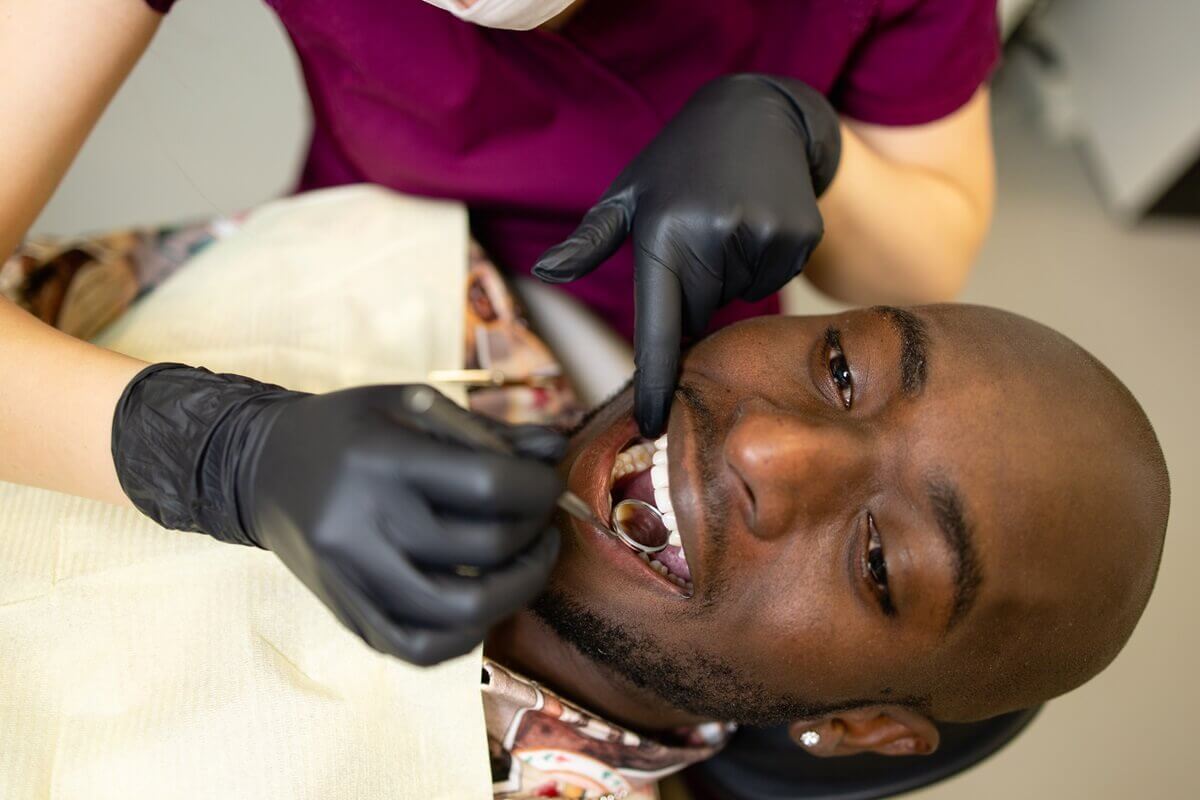

Most people focus on their teeth when they think about oral health, but your gums matter just as much. Gum disease is surprisingly common, and in many cases, it starts quietly without pain or obvious symptoms. But just because it starts small doesn’t mean it should be ignored.
The earlier we catch gum disease, the simpler it is to manage. With the right care, it’s often possible to stop it in its tracks and keep your gums healthy for the long haul.
In this article, your dentist in Hutto will help you understand the early signs of gum disease, what treatment you can get, and how to take proactive steps to protect your gums.
How Do You Know If You Have Gum Disease?
Gum disease, also known as periodontal disease, is an infection of the gum tissue that supports your teeth. It usually begins when plaque builds up along and under the gumline. In its early stage, called gingivitis, the symptoms can be subtle but your gums may already be signaling a problem.
Early signs of gum disease include:
- Red, swollen, or tender gums.
- Gums that bleed when brushing or flossing.
- Bad breath that doesn’t go away.
- Receding gums (teeth may look longer).
- Tooth sensitivity near the gumline.
- Loose teeth or changes in your bite.
- Pus between teeth and gums.
Even if you’re not experiencing pain, these signs should not be ignored. Gum disease is easiest to treat when it’s caught early.
What Happens If You Ignore the Early Signs of Gum Disease
It’s easy to dismiss bleeding gums or a bit of gum tenderness, but left untreated, gum disease can progress quickly and lead to more serious problems. As gingivitis advances to periodontitis, the infection spreads deeper, damaging the bone and connective tissues that hold your teeth in place.
- Potential complications include:
- Gum recession and exposed tooth roots.
- Deep pockets forming between the gums and teeth.
- Loose or shifting teeth.
- Permanent tooth loss.
- Increased risk for systemic health conditions like heart disease, diabetes, and stroke.
How to Prevent Gum Disease
The best way to protect your gums is through a combination of healthy habits and regular professional care. Here are a few simple steps to reduce your risk:
- Brush twice a day with a soft-bristled toothbrush and fluoride toothpaste.
- Floss daily to remove plaque and food particles from between the teeth and under the gumline.
- Use an antimicrobial mouthwash to help reduce bacteria.
- Eat a balanced diet rich in vitamins and low in sugar.
- Avoid tobacco products, which increase the risk of gum disease.
- Visit your dentist regularly for cleanings and exams, even if your mouth feels fine.
Treatment Options for Gum Disease
If signs of gum disease are present, there are several effective treatment options depending on the severity of the condition.
Professional Dental Cleaning:
For mild cases or early gingivitis, a routine cleaning may be all that’s needed. This removes plaque and tartar from above and slightly below the gumline and helps prevent the condition from progressing.
Scaling and Root Planning (Deep Cleaning):
When gum disease has created deeper pockets around the teeth, this non-surgical procedure is often recommended. Scaling removes hardened plaque and bacteria from below the gumline, while root planning smooths the tooth roots to help gums reattach and heal.
Antibacterial Therapy:
Sometimes, medications like antimicrobial rinses or localized antibiotics are used to control bacterial infection in targeted areas. These treatments may be used alone or alongside scaling and root planing.
Periodontal Maintenance:
After treatment, more frequent cleanings (every 3–4 months) may be recommended to keep bacteria under control and monitor healing. This is especially important for patients with a history of gum disease.
Ongoing Home Care Guidance:
We’ll work with you on an at-home care routine that supports healing and prevents reinfection because what happens between visits matters just as much.
Each patient’s needs are different. That’s why treatment plans are tailored to the condition of your gums, your comfort level, and your long-term goals for oral health.
Experiencing Gum Problems? Give Us a Call
If you’ve noticed changes in your gums whether it’s bleeding, sensitivity, Advanced Dental Care Of Hutto is here to help. Our caring team is here to help you get the relief you need, with judgment-free support every step of the way.
Schedule your appointment online or call us at (512) 846-2011 and let’s work together to protect your smile from gum disease.