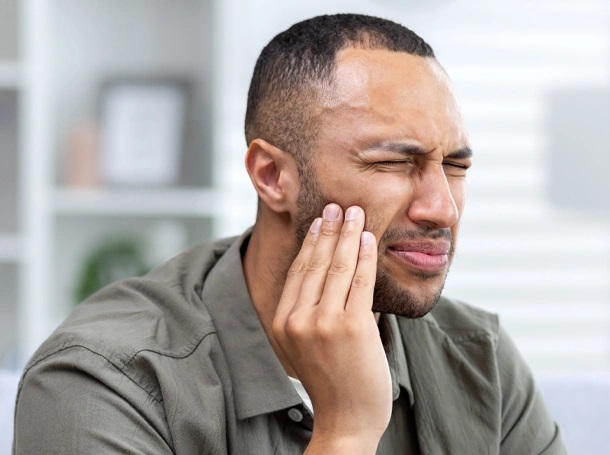

A sip of ice-cold water on a hot day should be refreshing, not painful. But if your teeth suddenly sting or throb when they come into contact with something cold, it could be a sign of a common dental issue: tooth sensitivity. While it might seem like a minor annoyance at first, that quick flash of discomfort could be your mouth’s way of telling you something more is going on.
In this blog, your nearest dentist – Advanced Dental Care of Hutto will explain what causes sensitive teeth, what it means for your oral health, and how you can find lasting relief.
Why Are My Teeth Sensitive to Cold?
Tooth sensitivity, especially to cold temperatures, typically stems from exposed dentin, the inner layer of the tooth that lies beneath the enamel. Dentin contains microscopic tubules that lead to the nerve center of the tooth. When enamel becomes worn or gums recede, cold sensations can travel directly to the nerves, causing pain.
Several common causes of dentin exposure include:
- Worn or thinning enamel due to brushing too hard or using abrasive toothpaste.
- Gum recession, often a result of gum disease or aggressive brushing.
- Tooth decay or cavities that break through the enamel.
- Cracked or chipped teeth, which can expose the sensitive inner layers.
- Teeth grinding (bruxism) that wears down enamel over time.
- Recent dental treatments, such as whitening or fillings, which can cause temporary sensitivity.
Is Tooth Sensitivity a Sign of a Bigger Problem?
In some cases, yes. While occasional sensitivity may not be cause for concern, persistent or worsening pain, especially when eating or drinking—can point to underlying dental issues like cavities, gum disease, or even an abscessed tooth.
If your sensitivity is accompanied by other symptoms such as:
- Swollen or bleeding gums
- Bad breath that doesn’t go away
- Sharp pain when biting
- Lingering discomfort after eating or drinking
schedule an exam with your dentist. Catching the problem early can help prevent further damage and save your tooth.
What Can I Do to Reduce Tooth Sensitivity?
Thankfully, there are several ways to reduce or even eliminate sensitivity to cold water and other triggers. Here’s what we recommend:
Use a Desensitizing Toothpaste
Specially formulated toothpastes can help block the nerve pathways that cause sensitivity. These typically require regular use for a few weeks before you feel a noticeable difference.
Switch to a Soft-Bristled Toothbrush
Brushing gently with a soft-bristled toothbrush helps protect your enamel and gums. Avoid scrubbing too hard, as this can worsen the problem.
Avoid Acidic Foods and Beverages
Citrus, soda, and wine can erode enamel over time. Try to limit these, and always rinse your mouth with water after consuming acidic items.
Practice Good Oral Hygiene
Brushing twice a day, flossing daily, and visiting your dentist regularly all help prevent decay and gum disease—two major contributors to sensitivity.
Treat Underlying Issues
If your sensitivity is caused by a cavity, worn filling, or gum recession, your dentist may recommend a targeted treatment like a filling, dental bonding, or even a gum graft.
What Are Your Options for Treating Tooth Sensitivity?
The right treatment for tooth sensitivity depends on its cause. If the sensitivity is mild and due to worn enamel or minor gum recession, simple at-home changes may be enough. In other cases, professional care may be necessary to protect the tooth and relieve discomfort.
Some common treatment options include:
- Desensitizing toothpaste, which helps block pain signals from the tooth surface.
- Fluoride applications to strengthen enamel and reduce sensitivity over time.
- Dental bonding to cover exposed root surfaces.
- Sealants or protective coatings applied to sensitive areas.
- Nightguards for patients who grind their teeth and wear down enamel.
- Treating underlying issues, such as cavities, gum disease, or fractured teeth.
If symptoms persist, your dentist can evaluate the root cause and recommend a solution tailored to the individual case.
Have Sensitivity? Contact Advanced Dental Care of Hutto
If drinking cold water causes discomfort or sharp pain, it could be a sign of an underlying dental issue that shouldn’t be ignored. Sensitivity may result from enamel wear, gum recession, or other conditions that require professional attention.
At Advanced Dental Care of Hutto, we offer comprehensive evaluations and personalized care to help you find long-term relief. Whether your sensitivity is occasional or persistent, our team will help identify the cause and recommend solutions that protect your teeth and restore your comfort.
Contact us to schedule an appointment today to take the first step toward a healthier, pain-free smile.