
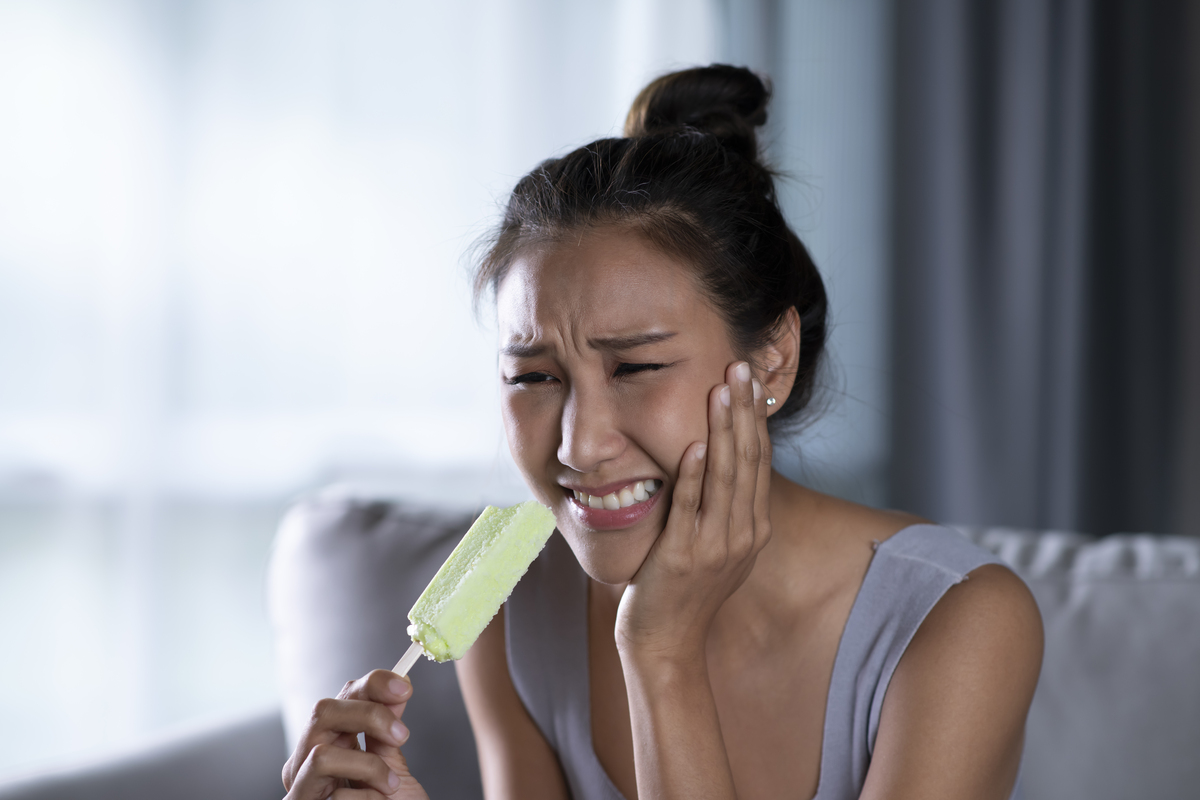
We’ve all been there. You’re sitting on your porch on a humid July afternoon, tackling a double scoop of Mint Chip from the local creamery. You take a bold bite, and suddenly—BAM. It’s not just a “brain freeze”; it feels like a lightning bolt just struck your upper molar. You’re frozen in place, clutching your jaw, wondering why your favorite treat just betrayed you.
Does this sound like a regular Tuesday for you? If so, you aren’t alone. But here’s the real question: is it just “sensitive teeth,” or is your mouth trying to tell you something more serious? Let’s dive into the science of the shiver and find out why that cold scoop causes such a localized meltdown.
The Cold, Hard Data on Sensitivity
Tooth sensitivity, known clinically as dentin hypersensitivity, is one of the most common dental complaints in the United States. According to a study published in the Journal of the American Dental Association (JADA), approximately 12.3% of adult dental patients suffer from hypersensitivity. However, many dental professionals believe this number is underreported, as many people simply avoid cold foods rather than seeking treatment.
Furthermore, the Academy of General Dentistry notes that sensitivity peaks in adults aged 20 to 50, often coinciding with the onset of gum recession or aggressive brushing habits.
Why It Happens: The Anatomy of the Ache
To understand why ice cream hurts, we have to look under the hood (or under the enamel). Your teeth are composed of several layers:
- Enamel: The hard, protective outer shell.
- Dentin: A porous layer under the enamel containing millions of microscopic channels called dentinal tubules.
- Pulp: The innermost part containing the nerves and blood vessels.
When your enamel thins or your gum line recedes, these tubules become exposed. When you eat ice cream, the extreme cold travels through these tubes to reach the nerves in the pulp, triggering a sharp pain response.
Why Ice Cream Specifically Hurts
Ice cream isn’t just cold — it’s also sweet and sometimes acidic, and those qualities affect your dental health too:
- Temperature Shock: Cold reaches the dentin quickly and forces fluid in the microscopic tubules to shift — this stimulates nerve endings and sends an immediate pain signal to your brain.
- Sugar Works Against You: A typical ½ cup of ice cream has about 20 grams of sugar — that’s a lot for your mouth’s bacteria to feast on. Those bacteria produce acids that can erode enamel over time, making teeth more prone to sensitivity.
- Acid Plus Cold Equals Trouble: Not only does sugar feed acid-producing bacteria, but some ice cream ingredients (like fruit flavorings) can be acidic on their own, further weakening enamel.
Plus, cold and sugar hit your teeth from both directions: the cold stimulates the nerves immediately, and the sugar weakens enamel, setting you up for more sensitivity in the future.
Other Common Causes of Tooth Sensitivity
- Enamel Erosion: Your enamel is the hardest substance in the human body, but it isn’t invincible. The American Dental Association (ADA) highlights that acidic foods (soda, citrus, wine) and “over-brushing” can wear this layer down. Once the enamel is gone, it doesn’t grow back, leaving your nerves vulnerable to every spoonful of Ben & Jerry’s.
- Gum Recession: This is a huge factor for many Americans. When gums pull away from the teeth, they expose the cementum—the material covering the tooth root. Cementum is much softer than enamel. According to the Centers for Disease Control and Prevention (CDC), nearly 47.2% of adults aged 30 and older have some form of periodontal disease, which is the leading cause of gum recession.
- Cavities and Cracked Fillings: Sometimes the pain isn’t general; it’s specific. If only one tooth hurts when you eat ice cream, you might be looking at a cavity or a fracture. Cold air or liquid can seep into a crack and reach the nerve instantly.
- Recent Dental Work: Did you just get a filling or a whitening treatment? Sensitivity is a common side effect. Professional whitening uses peroxides that can temporarily dehydrate the enamel, making your teeth more reactive to temperature changes for a few days.
Quick Relief — What You Can Do
Here are practical tips to help you enjoy ice cream pain-free:
- Better Toothpaste: Look for toothpaste formulated for sensitive teeth — these contain ingredients that help block the tubules that lead to nerve endings.
- Smarter Brushing: Use a soft-bristled toothbrush and a gentle technique. Hard brushing can erode enamel and worsen sensitivity.
Rinse With Water After Eating Ice Cream
This can help wash away sugars and acids before they damage enamel.
- Regular Dental Checkups: Professional cleanings and fluoride treatments can strengthen enamel and nip problems in the bud.
- Eat Ice Cream Slowly: Letting cold foods warm slightly in your mouth reduces the shock to your teeth.
What to Watch For
Just remember — occasional brief sensitivity isn’t unusual, but pain that lingers or gets worse could be a sign of something more serious (like a cavity or gum disease). If discomfort lasts more than a week, talk to your local certified dentist in Hutto.
Conclusion
Ice cream is one of life’s simple pleasures, and “earning” the right to eat it shouldn’t involve a dental endurance test. While minor sensitivity is a common part of aging and wear-and-tear, sharp or persistent pain is your body’s way of asking for help. By understanding the data on oral health and taking proactive steps—like switching your toothpaste or visiting your local dentist—you can get back to enjoying your sundae without the side effects.
Frequently Asked Questions
1. Is it normal for teeth to hurt when eating cold foods?
Yes, many people experience sensitivity to cold. Studies show that temperature-triggered sensitivity is one of the most commonly reported types of tooth pain.
2. Can ice cream permanently damage my teeth?
Occasional ice cream itself won’t permanently damage your teeth. But frequent exposure to cold plus sugar can accelerate enamel erosion if you already have weak enamel.
3. Why does sweet ice cream hurt more than sugar-free?
The sugar in regular ice cream feeds bacteria that produce acid, which weakens enamel and increases sensitivity. Sugar-free versions reduce this acid production.
4. Can children experience tooth sensitivity?
Yes, even children can have sensitive teeth, especially if enamel is still developing or if they consume lots of sugary/acidic foods.
5. When should I see a dentist about tooth sensitivity?
If sensitivity lasts more than a week, affects multiple teeth, interferes with daily life, or involves sharp, lingering pain, make a dental appointment — it could indicate a cavity or other issue requiring treatment.