
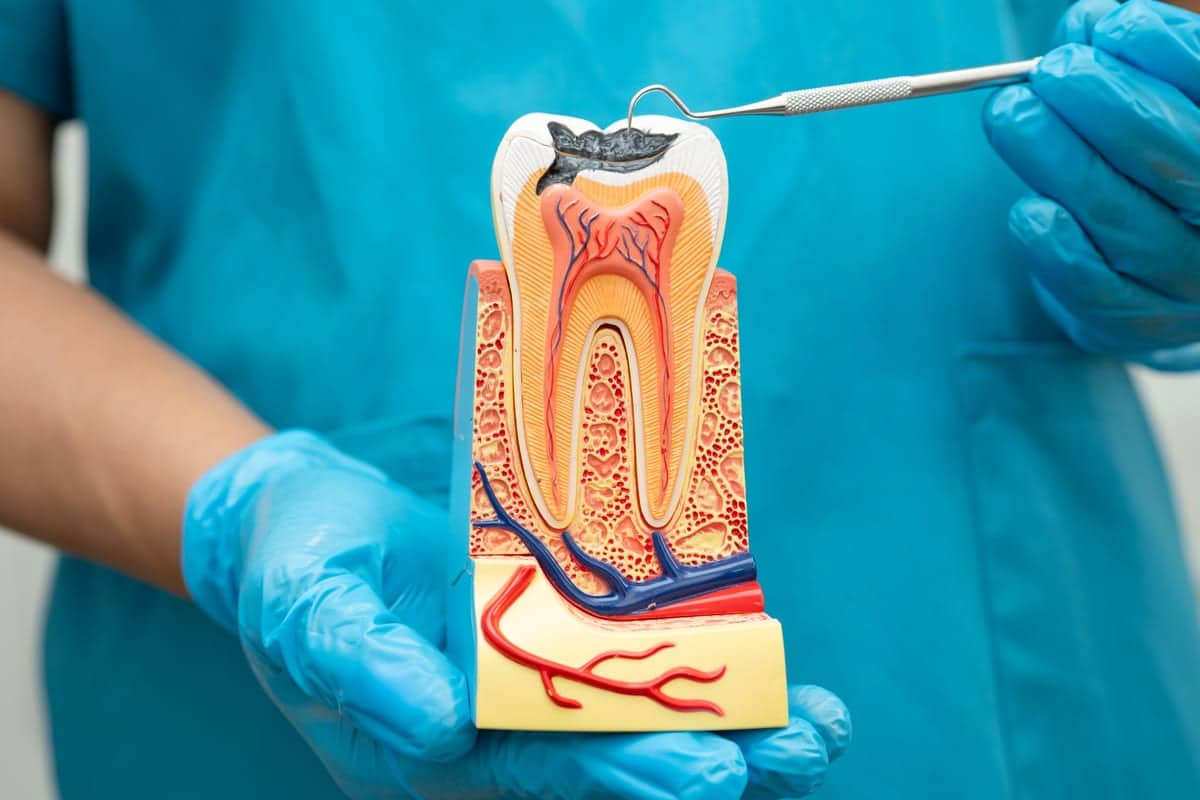
If you’ve recently been told you need a root canal, your first question is probably about cost. Understanding why root canal costs vary more than you’d expect in Hutto is genuinely useful before your appointment. Many patients are surprised to learn there’s no single flat price for this treatment. Several factors combine to shape what you’ll ultimately pay.
At Advanced Dental Care of Hutto, we believe informed patients make better decisions about their dental health. This article breaks down the key cost drivers — clearly and honestly. No confusing jargon, no hidden surprises. Just straightforward information to help you plan.
Why Root Canal Costs Vary More Than You’d Expect
Root canal treatment is not a one-size-fits-all procedure. Each case carries its own level of complexity. The tooth being treated, the severity of the infection, and the provider’s experience all influence the final cost. Understanding these variables helps set realistic expectations from the start.
Patients often compare prices they’ve heard from friends or seen online. Those numbers rarely reflect the full picture. A front tooth root canal is a very different procedure from a molar root canal. The difference in difficulty — and cost — is significant.
Here are the primary factors that affect root canal pricing:
- Which tooth needs treatment (front, premolar, or molar)
- Number of root canals within the tooth
- Severity of infection or damage
- Whether the case needs a specialist (endodontist) or a general dentist
- Whether a dental crown is needed afterward
- X-rays and diagnostic imaging required
Tooth Type Is One of the Biggest Cost Drivers
Your mouth contains different types of teeth, and they are not equally complex. Front teeth, called incisors and canines, typically have a single root canal. That makes them faster and simpler to treat. Lower complexity usually means lower cost.
Premolars sit in the middle of your mouth. They have one or two roots, placing them at a mid-range complexity level. Molars are at the back and can have three or more root canals. More canals mean more time, more precision, and more skill required.
A molar root canal can take significantly longer than a front-tooth procedure. That additional time and effort is reflected in the price. This is one of the clearest reasons why root canal costs vary more than you’d expect in Hutto and everywhere else.
General Dentist vs. Endodontist — How Provider Type Affects Price
Not every root canal requires a specialist. Many general dentists perform root canals confidently and successfully every day. At Advanced Dental Care of Hutto, our team handles a wide range of root canal cases in-house. This often keeps costs more accessible for patients.
An endodontist is a specialist who focuses exclusively on the inner structures of teeth. They handle complex cases that require advanced training and specialized equipment. Referrals to endodontists typically come with higher procedure fees.
If your case is straightforward, a skilled general dentist is usually a great option. If your tooth has curved or calcified canals, you may need a specialist. Your dentist will recommend the right path based on your specific situation — not a general rule.
The Hidden Cost Factor: What Comes After the Root Canal
Many patients focus only on the root canal procedure itself. But what comes after is equally important to budget for. A tooth that has had a root canal is more brittle than a healthy tooth. It usually needs a dental crown for long-term protection.
A crown is a custom-fitted cap that completely covers the treated tooth. It restores strength, function, and appearance. Without a crown, a root-canal-treated tooth is at higher risk of cracking or fracturing. That failure could require extraction and replacement — a much more costly outcome.
The crown is a separate procedure with its own associated cost. When patients receive a price quote for a root canal, it may or may not include the crown. Always ask your dentist to clarify exactly what is included in your estimate.
After a root canal, many patients also explore their cosmetic options. Options like Cosmetic Dentistry Hutto can help restore both the function and appearance of your smile. Treatments like Dental Bonding Hutto may also complement your restoration plan in certain cases.
Diagnostic Steps That Add to the Overall Cost
Before your dentist performs a root canal, they need a clear picture of what’s happening inside the tooth. This means X-rays — sometimes multiple angles or a cone beam CT scan. These diagnostic tools are essential for accuracy and safety.
Diagnostic imaging adds to the overall treatment cost. However, skipping it would create unnecessary risk. Properly reading the tooth’s anatomy prevents complications during the procedure. Think of it as the foundation of successful treatment.
Here is what a typical diagnostic and treatment process looks like:
- Comprehensive exam and review of symptoms
- X-rays or advanced imaging to assess the tooth
- Treatment planning and cost discussion with your dentist
- Root canal procedure (one or more appointments)
- Temporary filling placed to seal the tooth
- Crown placement to restore full function
How Complexity and Infection Severity Change the Equation
Two patients could need a root canal on the same type of tooth and still face different costs. Infection severity is a major variable. A mild infection caught early is easier to treat than a deep, spreading infection near the bone.
Advanced infections sometimes require additional treatment steps. These might include draining an abscess or starting antibiotic therapy before the root canal can proceed. Each added step increases both time and overall cost.
Repeated dental appointments due to complications also increase costs. This is why early diagnosis matters. Addressing tooth pain promptly is almost always more cost-effective than waiting.
Conclusion: Making an Informed Decision About Root Canal Treatment
Understanding why root canal costs vary more than you’d expect in Hutto empowers you as a patient. Tooth type, infection severity, provider type, and follow-up care all play real roles in shaping the price. There’s no universal answer, but your dental team will always explain it clearly.
At Advanced Dental Care of Hutto, we walk every patient through their treatment plan and associated costs before anything begins. We want you to feel confident and informed — not anxious or confused. Transparency is central to how we care for our community.
If you’re experiencing tooth pain or have been told you may need a root canal, don’t delay. Early treatment is nearly always simpler and less costly. Book Now to schedule your appointment with our team.
Frequently Asked Questions
Does the type of tooth really make that big a difference in root canal cost?
Yes, it makes a significant difference. Front teeth typically have one root canal and are simpler to treat. Molars can have three or more root canals, requiring more time and precision. This complexity directly affects the procedure cost.
Can a general dentist perform a root canal, or do I need a specialist?
Many general dentists perform root canals successfully. Experienced general dentists handle straightforward cases well. Complex cases — such as curved or calcified canals — may be referred to an endodontist. Your dentist will recommend the right provider for your specific situation.
Is the dental crown included in the root canal cost quote?
Not always. Some quotes cover only the root canal procedure itself. The crown needed to protect the tooth afterward is often a separate cost. Always ask your dentist to clarify exactly what your estimate includes before treatment begins.
Why does my root canal need multiple appointments?
Some root canal cases require more than one visit. This is especially true when an infection is severe or when the tooth’s anatomy is complex. Multiple appointments allow for proper cleaning, medication placement, and healing between sessions. Your dentist will let you know how many visits your case requires.
Is it cheaper to extract the tooth instead of getting a root canal?
Extraction may seem less expensive upfront. However, replacing a missing tooth with an implant or bridge typically costs more than saving the natural tooth. Keeping your natural tooth is almost always the better long-term investment for your oral health and budget.