
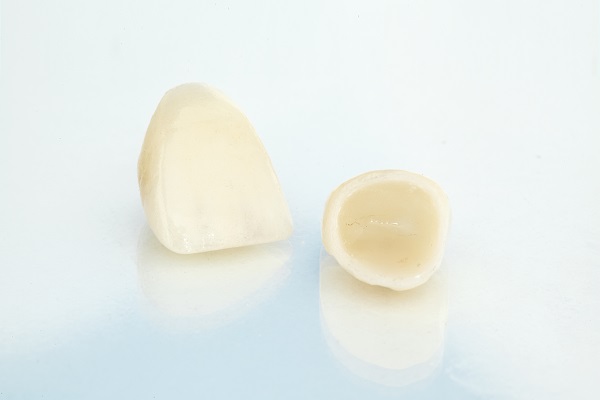
Dental crowns are versatile restorations that can be used to fix a wide range of cosmetic and therapeutic issues that affect teeth. Also called caps, crowns cover the visible part of a tooth, protecting it from bite forces, acids and bacteria in the mouth. Crowns also restore the appearance of teeth, hiding any flaws and imperfections on them.
The process of cementing a crown to a patient’s tooth involves removing enamel from all of the tooth’s sides. This makes for a better fit with the crown. Crowns are customized restorations that are usually made in a dental lab. The process typically takes about two weeks, so patients get temporary crowns for the time being.
Reasons a dentist might recommend a crown
Let us take a look at some of the reasons why a dentist might recommend cementing a crown over a tooth:
1. Tooth decay
Tooth decay is one of the most common issues dentists deal with, and it can severely damage a tooth. The normal way to fix a tooth that has been damaged by tooth decay is with a filling, but that is not always the best solution. Using a large amount of filling to fill up severe decay does not restore the function of the tooth and can even weaken its structures.
A crown can be used to protect such a tooth and hold it together so it does not break apart. The crown also protects the tooth from acids in the mouth that cause tooth decay.
2. Chipped or broken teeth
Minor chips and breaks can be treated with composite bonding or veneers, but severe breaks require a crown. If the damage reaches the tooth’s pulp chamber, a root canal might be performed before covering the tooth with a crown. The crown protects the damaged tooth from breaking apart further and protects it against bite forces in the mouth.
3. Stained teeth
Teeth pick up stains and discoloration over the years, and some cannot be removed with whitening treatments. Stains like those caused by tetracycline antibiotics need to be covered up with a crown or some other restoration. Crowns tend to work best for severely discolored teeth since they cover all the tooth’s sides.
4. Implants
Crowns often serve as the artificial tooth that is attached to an implant. Implants are artificial teeth roots that are surgically inserted into a person’s jaw. Typically made out of titanium, the rod is left in the patient’s mouth until it fuses with bone tissues around it. The process is known as osseointegration, and it holds the implant in place the same way real teeth roots are held in place. As a result, bite forces are transferred down the implant into bone tissues around it when the wearer bites down on something, keeping tissues there healthy.
Get your crown
Ready to fix your damaged tooth? Call or visit our Hutto clinic to set up an appointment with our dentist.
Request an appointment here: https://www.adchutto.com or call Advanced Dental Care of Hutto at (512) 846-2011 for an appointment in our Hutto office.
Check out what others are saying about our services on Yelp: Read our Yelp reviews.
Call our Hutto office to make an appointment with a dentist who may be able to help you find out more about this topic, and improve your oral health.