What if you could walk into a dental office on your lunch break and walk out with a noticeably better smile? That is exactly what dental bonding offers. A smile transformation in one lunch hour with zero-downtime dental bonding in Hutto isn’t a marketing promise—it is a clinical reality. At Advanced Dental Care of Hutto, we help busy patients achieve beautiful results without rearranging their entire week.
Whether you have a chipped tooth, a small gap, or uneven edges, dental bonding addresses these concerns quickly and comfortably. No surgery, no lengthy recovery, and no days off work required. Keep reading to discover why so many Hutto residents are choosing bonding as their go-to cosmetic fix.
What Is Dental Bonding and How Does It Work?
Dental bonding is a cosmetic procedure that uses a tooth-colored resin material. Your dentist applies it directly to the tooth surface. Then they sculpt, shape, and harden it using a special curing light. The entire process typically takes 30 to 60 minutes per tooth.
The resin blends seamlessly with your natural enamel. Most patients cannot tell the difference between bonded teeth and untouched ones. Most cases require no injections. That means less anxiety and a far more comfortable experience overall.
Bonding falls under the broader umbrella of Cosmetic Dentistry Hutto services designed to enhance your smile’s appearance. It is one of the most accessible and versatile options available today. You do not need to commit to veneers or crowns to see a dramatic improvement.
Zero Downtime: Why Bonding Fits Your Busy Hutto Lifestyle
Life in Hutto moves fast. Between work, school pickups, and everything in between, most people simply cannot afford extensive recovery time. That is where dental bonding truly shines for busy individuals.
After your bonding appointment, you can return to normal activities immediately. There is no swelling, no numbness lingering for hours, and no dietary restrictions beyond the first 48 hours. Most patients eat lunch right after their appointment with zero discomfort.
Here is what makes dental bonding the ideal zero-downtime cosmetic option:
- No anesthesia required in most cases, so you feel alert and functional immediately
- No recovery period — return to work, gym, or social events the same day
- No temporary restorations to manage while waiting for a lab to finish work
- Single-visit completion for most cosmetic bonding cases
- Minimal tooth preparation — your natural structure stays largely intact
Compare this to veneers or crowns, which often require multiple visits and temporary covers. Bonding delivers real, visible results the same day. That is a compelling reason for Hutto patients to choose it first.
What Cosmetic Problems Can Bonding Fix?
Dental bonding is surprisingly versatile. It addresses a wide range of aesthetic concerns with one straightforward treatment. Many patients are amazed by how many issues a single bonding session can correct.
Common problems that bonding resolves include:
- Chipped or cracked teeth from accidents or wear
- Small gaps or spaces between front teeth
- Discoloration that whitening alone cannot fix
- Misshapen or uneven tooth edges
- Exposed root surfaces that cause sensitivity
- Teeth that appear too short relative to surrounding teeth
Bonding works best on minor to moderate cosmetic imperfections. For more significant structural damage, your dentist may recommend exploring Restorative Dentistry Hutto options like crowns or bridges. During your consultation, our team helps you identify the most appropriate path forward.
The key advantage is precision. Your dentist shapes the resin in real time, making micro-adjustments until the result looks completely natural. You actively approve the final look before the material hardens permanently.
What to Expect During Your Bonding Appointment
Knowing what happens during your visit removes anxiety and helps you plan your day. The process is straightforward, gentle, and well within a lunch-hour timeframe. Here is a step-by-step overview of what your appointment looks like.
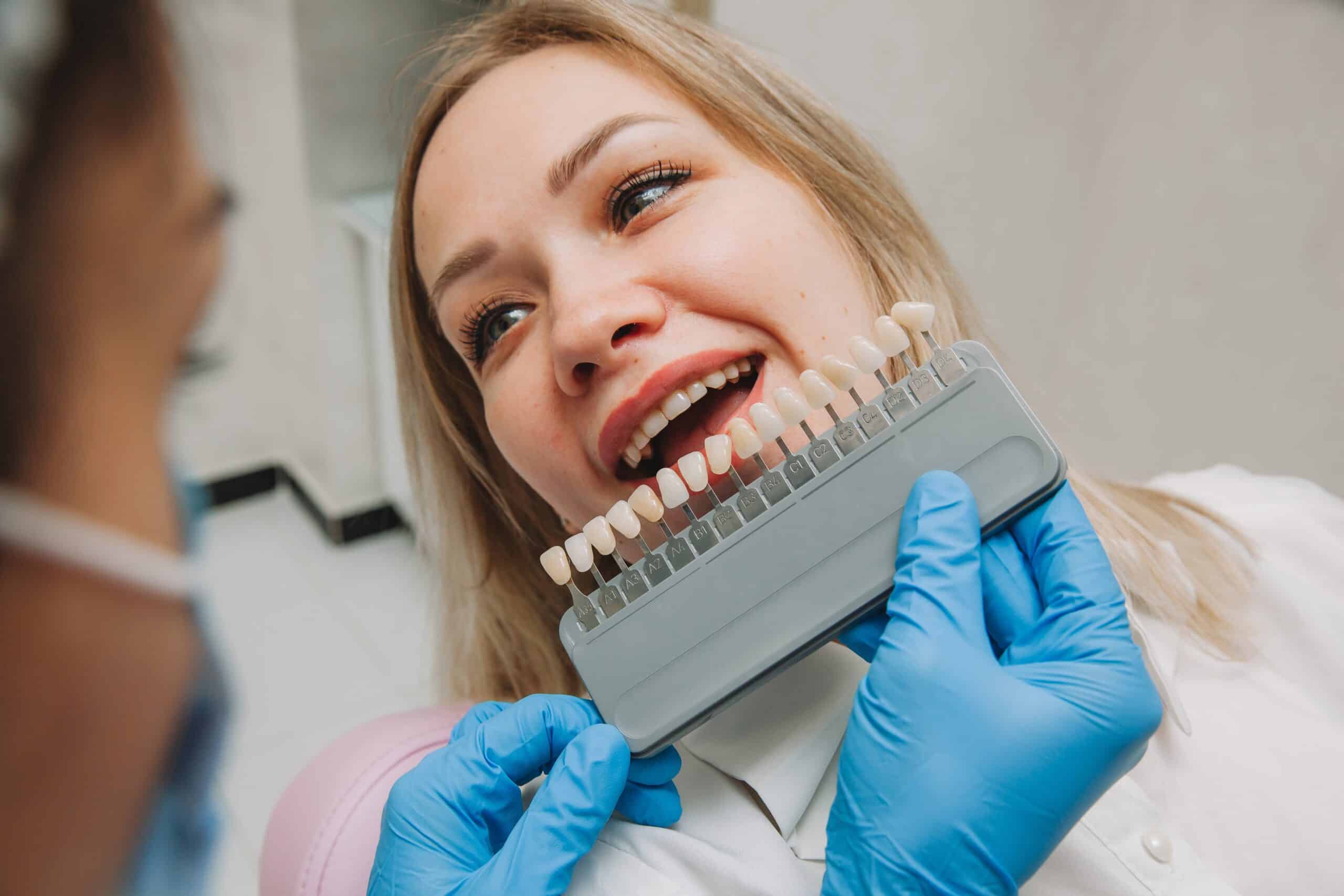
- Shade matching: Your dentist selects a resin shade that closely matches your natural tooth color.
- Surface preparation: The tooth surface is gently roughened and conditioned to help the resin adhere properly.
- Resin application: The composite material is applied in layers and carefully sculpted to the desired shape.
- Curing: A special blue light hardens each layer within seconds, locking in the shape.
- Finishing touches: Your dentist polishes the bonded area until it matches the sheen of surrounding teeth.
Most single-tooth bonding sessions wrap up in under an hour. Multiple teeth may take slightly longer. Even so, many patients schedule bonding appointments during an extended lunch break and head straight back to the office afterward.
Sensitivity is minimal after the procedure. If you experience any, it typically fades within a day or two. Our team provides clear aftercare instructions so you know exactly what to expect when you leave.
How Long Does Dental Bonding Last?
One of the most common questions patients ask is about longevity. Dental bonding typically lasts between five and ten years with proper care. Some patients get even more life out of their bonding with good oral hygiene habits.
Bonding material is durable but not indestructible. Avoid biting fingernails, chewing ice, or using your teeth to open packaging. These habits can chip the resin just as they would chip natural enamel.
Staining can occur over time, particularly with heavy coffee or red wine consumption. Polishing during routine cleanings helps maintain the brightness of bonded teeth. Your dentist may recommend touch-ups or replacement after several years to keep your smile looking its best.
The good news is that repairs and replacements are just as quick as the original procedure. There is no complicated process involved when bonding needs refreshing. That continuity of simplicity is one more reason patients in Hutto embrace it so enthusiastically.
Is Dental Bonding Right for You?
Dental bonding is an excellent option for many patients. However, every smile is unique, and individual needs vary. A brief consultation at Advanced Dental Care of Hutto helps determine whether bonding suits your specific situation.
Ideal candidates typically have healthy gums and teeth with minor cosmetic flaws. Patients with significant decay, gum disease, or severe misalignment may need other treatments first. Bonding works best as a finishing touch rather than a foundation fix.
If you are unsure whether bonding is right for you, our team will walk you through all available options transparently. The goal is always to find the most effective path to your healthiest, most confident smile. You deserve clarity before making any decision.
Ready to transform your smile without disrupting your day? Book Now to schedule your appointment with our team.
Frequently Asked Questions
Does dental bonding hurt?
Most dental bonding procedures require no anesthesia and cause very little discomfort. Some patients feel mild sensitivity during surface preparation, but this is brief. After the appointment, any sensitivity typically resolves within one to two days.
Can I eat normally after my bonding appointment?
Yes, you can eat shortly after your bonding appointment. However, we recommend avoiding very hard or crunchy foods for the first 24 to 48 hours. Also, minimize coffee, tea, and deeply colored foods for 48 hours to prevent early staining of the fresh resin.
How is dental bonding different from veneers?
Dental bonding uses composite resin applied directly to the tooth in one visit. Veneers are thin porcelain shells custom-made in a lab and bonded to the front of teeth over two or more visits. Bonding is faster and more affordable, while veneers offer greater durability and stain resistance for long-term results.
Will dental bonding match my natural teeth?
Yes. Your dentist carefully selects a resin shade that closely matches your surrounding teeth before beginning the procedure. The material is then sculpted and polished to blend seamlessly. Most people cannot distinguish bonded teeth from natural ones in everyday conversation.
How do I care for bonded teeth?
Care for bonded teeth the same way you would your natural teeth. Brush twice daily, floss regularly, and attend routine cleanings every six months. Avoid habits like nail biting or chewing hard objects that could chip the resin. With proper care, your bonding can last five to ten years or longer.