
When you think about oral health, your teeth usually get the most attention. But there’s another key part that keeps your smile strong—the tissue that supports your teeth. It protects the bone beneath, keeps everything stable, and plays a significant role in your comfort and confidence. When this foundation becomes infected, it can lead to discomfort, sensitivity, and even tooth loss.
Periodontal problems can be prevented with consistent habits and timely professional care.
This guide explains what causes these issues, early warning signs to look for, simple prevention tips, and effective treatments that can restore health if an infection develops.
What Actually Causes Gum Problems?
Most infections begin with plaque, a sticky layer of bacteria that builds up after eating or drinking. When plaque isn’t removed by brushing or flossing, it hardens into tartar, which irritates surrounding tissue and causes inflammation. Over time, this can lead to deep infections that harm the soft tissue and bone supporting your teeth.
Here are common factors that increase your risk:
- Poor brushing and flossing habits – allowing bacteria to multiply.
- Smoking or vaping – reducing blood flow and slowing healing.
- Hormonal changes – like pregnancy or menopause- make tissue more sensitive.
- Health conditions – including diabetes and immune disorders.
- Dry mouth – caused by medications that reduce saliva flow.
Knowing these triggers helps you take small but meaningful steps to protect your oral health.
Early Signs You Should Never Ignore
Infections don’t happen overnight; they build up gradually. Recognizing the early signs allows for faster, easier treatment.
Watch for:
- Bleeding when brushing or flossing
- Persistent bad breath
- Redness or swelling around the teeth
- Tissue pulling away from teeth
- Looseness or shifting in the bite
If you notice any of these symptoms, don’t delay. A professional cleaning or early intervention can prevent long-term damage.
Everyday Gum Disease Prevention Habits
Keeping your smile healthy doesn’t require fancy tools—just steady, mindful care.
Brush Gently and Consistently
Use a soft-bristle toothbrush and fluoride toothpaste twice a day. Move the brush in small, circular motions at a 45-degree angle along the gumline. Avoid scrubbing too hard—gentle, thorough cleaning is more effective.
Floss Every Day
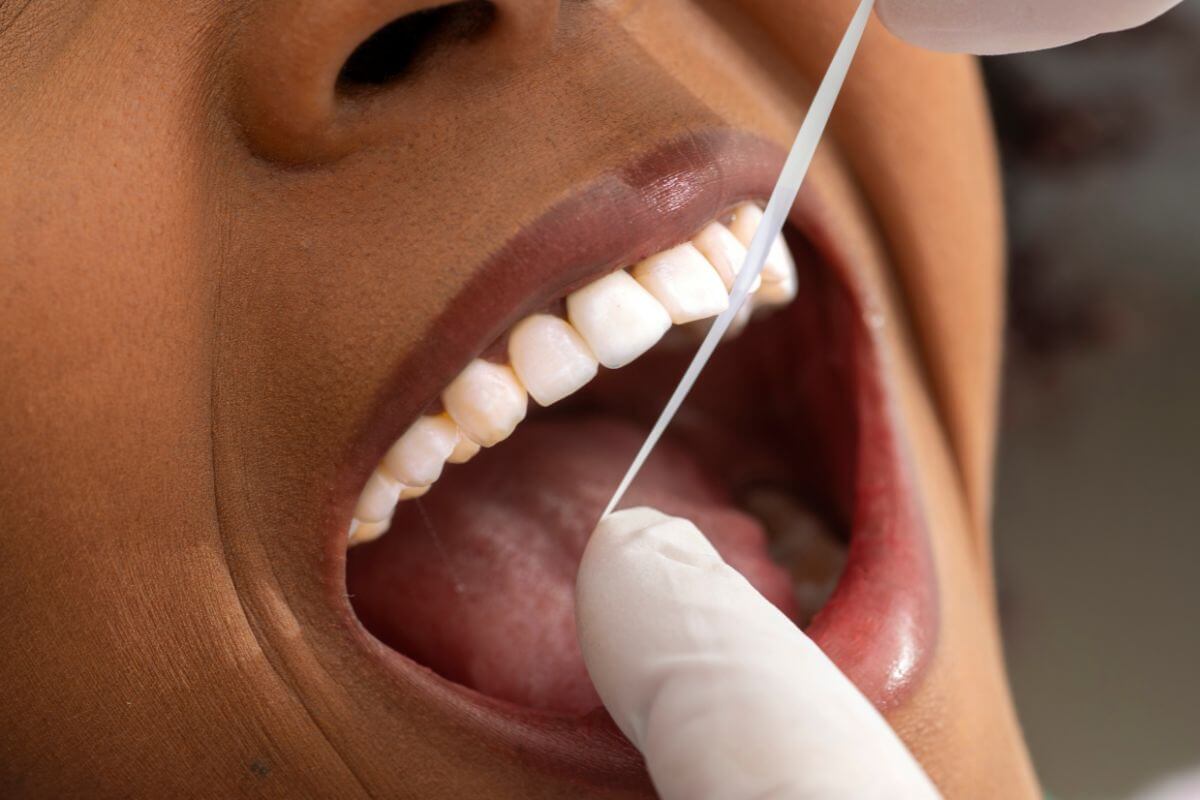
Flossing removes food and bacteria that your toothbrush can’t reach. Slide it gently under the gumline, curving it around each tooth to remove buildup.
Rinse with Antibacterial Mouthwash
A rinse that controls bacteria helps reduce inflammation and freshens breath. Choose an alcohol-free mouthwash to prevent dryness.
Eat Foods That Promote Oral Health
Crunchy fruits and vegetables like apples, carrots, and celery help clean your teeth naturally. Vitamin C and calcium-rich foods—like oranges, dairy, and leafy greens—strengthen teeth and surrounding tissues.
Stay Hydrated All Day
Water rinses away debris and keeps your mouth moist. Saliva is your body’s natural defense, and hydration helps it do its job.
Quit Smoking or Vaping
Tobacco use makes tissue more prone to infection and slows healing. Quitting is one of the most effective ways to restore oral health quickly.
These simple steps, done consistently, are the best defense against future problems.
Professional Treatments That Help Restore Oral Health
Even with proper home care, professional cleanings are vital. They remove hardened buildup and help your dentist detect infection before it spreads. If you’re already showing signs of tissue damage, modern treatments can restore stability and comfort.
Deep Cleaning (Scaling and Root Planing)
This removes plaque and tartar beneath the surface. After cleaning, the roots are smoothed to help tissue reattach to the tooth structure.
Periodontal Infection Therapy
For more advanced cases, this treatment removes bacteria deep within infected areas and helps reduce inflammation and bone loss.
Gum Grafts
When recession exposes the roots, gum grafting restores protection and reduces sensitivity.
Antibiotic Therapy
Topical or oral antibiotics may control infection and promote healing after deep cleaning.
Bone Grafts
If the bone has deteriorated, a graft rebuilds strength and stability for the teeth, helping preserve long-term oral function.
With these professional treatments and consistent home care, you can rebuild a strong, healthy foundation, even after years of damage.
When to See a Dentist?
If your tissue feels tender, bleeds often, or appears to be pulling away from teeth, it’s best to schedule an evaluation. Waiting too long can result in bone loss and loose teeth.
Most adults should visit their dentist every six months for a cleaning, though those with chronic conditions or a history of inflammation may benefit from more frequent visits. During your appointment, your dentist will check for infection, measure pocket depth, and assess bone support. Regular visits help catch problems early, before they become serious.
Keep Your Smile Healthy for Life With Advanced Dental Care of Hutto
Healthy gums are the foundation of a lasting smile. By brushing, flossing, drinking plenty of water, and keeping up with regular dental visits, you can maintain a strong and healthy mouth for years to come. If you’re experiencing bleeding or tenderness, modern dentistry provides gentle, effective solutions to restore comfort and confidence. A few mindful minutes daily can make a lasting difference in oral and overall health.
Want to keep your smile vibrant? Contact us to book an appointment for personalized gum care and prevention.