
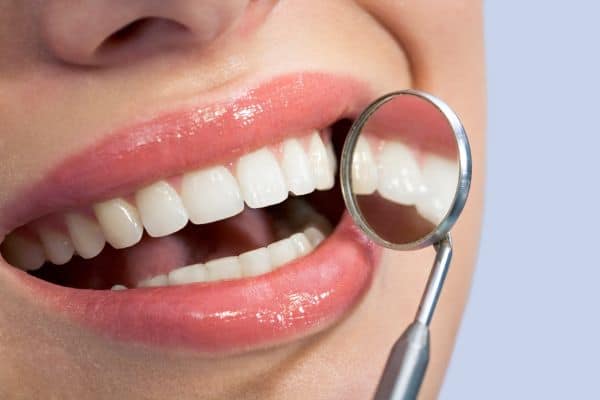
Periodontal disease is the technical name for what is typically thought of as gum disease, although the disease also affects the teeth and even the bone around the teeth. Without proper checkups, it is easy to forget about the gums because periodontal problems do not typically cause pain until the late stages of disease. Too often, people find themselves facing serious gum and tooth problems because they did not have any pain to alert them to the severity of the issue. How often you need periodontal checkups depends on your overall dental health and the progression of any periodontal problems that you may already have.
Periodontal disease progression
Every time a person eats, a soft, bacteria-filled substance called plaque is deposited on the teeth, including on the surfaces between the teeth and in the spaces between the gums and the teeth. The bacteria in the plaque releases an acidic substance that damages the teeth and gums. Brushing, flossing and oral rinses remove plaque, but even people with good daily dental hygiene practices inevitably miss some. Any plaque that is left on the teeth hardens over time, turning into a substance called calculus. The calculus cannot be removed by brushing or flossing — only a dental professional can remove it.
Gingivitis: Early periodontal disease
Inflammation of the gums, or gingivitis, is the first stage of periodontal disease. It starts when plaque forms near or under the gums. When the gums become damaged by the presence of the bacteria and an acidic environment, the body’s defense is to send more blood to them to fight the bacteria. In turn, the gums darken from pink to red. They swell, and they bleed more easily. This condition is why people with gingivitis often find that their gums bleed when they floss or even brush. Unfortunately, the fact that people with gingivitis typically only have discomfort when brushing or flossing too often leads to poor hygiene habits instead of seeking dental help.
Periodontitis: Late periodontal disease
The disease is called periodontitis when the connective tissue is involved, and it can progress to involve the bone as well. After bacteria becomes established under the gums, it damages the tissue enough that it invades the space where the gums were once connected to the teeth. Over time, a pocket can become deep enough that the bacteria begin attacking the bone that supports the teeth. Too often, if people with periodontitis do not have regular checkups, they will not know anything is wrong until so much connective tissue and bone are destroyed that one or more teeth become loose.
Conclusion
Because diseases in the gums generally do not cause pain, regular dental checkups are needed to detect them. Most people with healthy teeth and gums need an examination for periodontal disease every six months, and it is done at the same time as their regular dental checkup. However, since the recommended frequency depends on your dental and periodontal health, talk to your dentist about when you should return for your next examination.
Request an appointment here: https://www.adchutto.com or call Advanced Dental Care of Hutto at (512) 846-2011 for an appointment in our Hutto office.
Check out what others are saying about our services on Yelp: Read our Yelp reviews.
Call our Hutto office to make an appointment with a dentist who may be able to help you find out more about this topic, and improve your oral health.