
Have you ever looked in the mirror and wished you could fix more than just one thing about your smile? Maybe your teeth are stained from years of coffee, one tooth is chipped, and another is slightly crooked. Or perhaps you have worn enamel, gaps between your teeth, and an old metal filling that stands out whenever you smile.
The good news is that you don’t have to treat every concern separately. Modern cosmetic dentistry is designed to address multiple smile imperfections through a customized treatment plan that improves both appearance and oral function. Whether you’re preparing for a special event, advancing your career, or simply wanting greater confidence, cosmetic dental treatments can often transform several dental issues simultaneously.
According to the American Academy of Cosmetic Dentistry (AACD), 99.7% of American adults believe a smile is an important social asset, while 74% feel an unattractive smile can negatively affect career success. These findings highlight why more Americans are investing in smile improvements than ever before.
This guide explains how cosmetic dentistry can solve multiple smile problems at once, the treatments involved, and why combining procedures often provides better long-term results.
Why Multiple Smile Problems Often Happen Together
Very few patients have only one cosmetic concern. In fact, many smile imperfections develop together over time because of aging, accidents, genetics, or everyday habits.
Common combinations include:
- Yellow or stained teeth
- Chipped or cracked teeth
- Uneven tooth sizes
- Small gaps
- Mild crowding
- Worn enamel
- Misshapen teeth
- Missing teeth
- Old dental restorations
- Slight bite irregularities
According to the Centers for Disease Control and Prevention (CDC), over 90% of adults between the ages of 20 and 64 have experienced cavities, many of which eventually require fillings or crowns, which can affect the appearance of the smile.
Instead of addressing one issue at a time, cosmetic dentists evaluate your entire smile and develop a comprehensive treatment plan.
What Is a Smile Makeover?
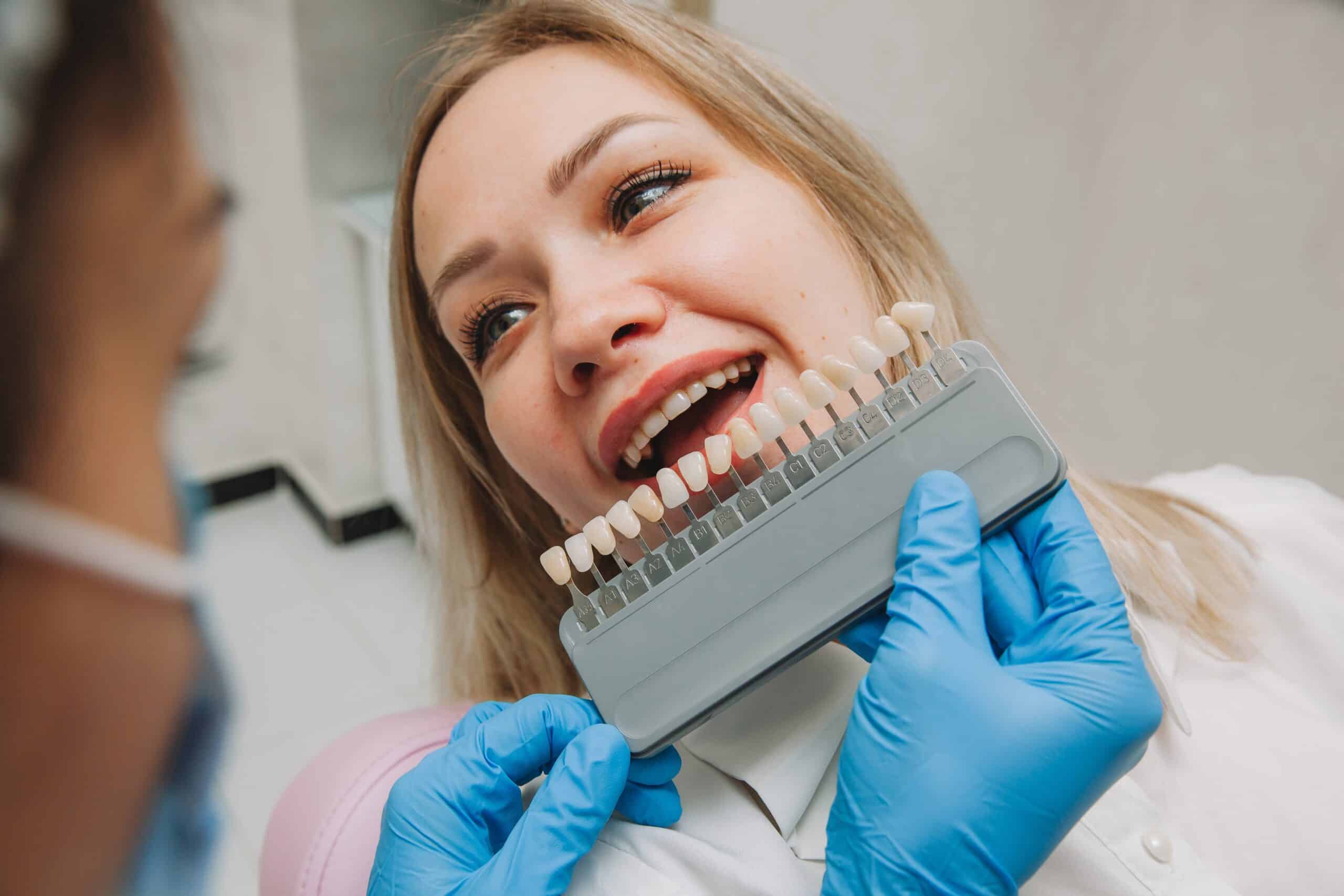
A smile makeover combines two or more cosmetic dental procedures into one personalized treatment plan.
Rather than focusing on a single tooth, your dentist considers:
- Tooth color
- Tooth shape
- Tooth alignment
- Gum symmetry
- Facial proportions
- Bite function
- Overall smile balance
The goal isn’t simply whiter teeth—it’s creating a smile that looks natural, healthy, and proportionate to your facial features.
Smile Problems Cosmetic Dentistry Can Correct
1. Tooth Discoloration
Professional whitening is one of the quickest cosmetic improvements.
Many stains come from:
- Coffee
- Tea
- Red wine
- Tobacco
- Aging
- Certain medications
Professional whitening treatments can significantly brighten teeth beyond what over-the-counter products typically achieve while minimizing sensitivity under professional supervision.
2. Chipped or Broken Teeth
Small chips may seem minor, but they can affect your entire smile.
Common solutions include:
- Dental bonding
- Porcelain veneers
- Ceramic crowns
These treatments restore both appearance and strength.
3. Uneven Teeth
Not every tooth naturally has the same size or shape.
Cosmetic dentistry can reshape:
- Small teeth
- Pointed teeth
- Short teeth
- Worn edges
Minor enamel contouring or veneers often create a more balanced smile.
4. Gaps Between Teeth
Small spaces can make teeth appear uneven.
Depending on the cause, dentists may recommend:
- Veneers
- Bonding
- Clear aligners
Each option closes gaps while preserving a natural appearance.
5. Mild Crooked Teeth
Not everyone requires traditional braces.
Clear aligners can often correct:
- Minor crowding
- Small rotations
- Mild spacing
Straightening teeth also makes brushing and flossing easier, supporting better oral health.
6. Missing Teeth
Missing teeth affect both aesthetics and function.
Treatment options include:
- Dental implants
- Implant-supported crowns
- Bridges
According to the American College of Prosthodontists, more than 36 million Americans have no natural teeth, while approximately 120 million people are missing at least one tooth.
Replacing missing teeth restores chewing ability while improving smile symmetry.
7. Worn Teeth
Years of grinding or acid erosion can shorten teeth.
Restorations such as veneers or crowns rebuild:
- Tooth length
- Bite support
- Smile appearance
Cosmetic Treatments That Fix Multiple Problems at Once
Porcelain Veneers
Veneers remain one of the most versatile cosmetic procedures.
They can improve:
- Color
- Shape
- Minor alignment
- Chips
- Small gaps
- Uneven teeth
- Worn enamel
Many patients achieve dramatic smile transformations with as few as six to ten veneers.
Dental Bonding
Bonding uses tooth-colored composite resin to repair:
- Chips
- Cracks
- Small gaps
- Discoloration
- Misshapen teeth
It’s conservative, affordable, and often completed in a single visit.
Professional Teeth Whitening
Whitening enhances nearly every cosmetic treatment by creating a brighter foundation before additional procedures.
Professional whitening can remove years of staining in a relatively short time.
Dental Crowns
Crowns improve both function and aesthetics when teeth are:
- Weak
- Broken
- Severely worn
- Large fillings
- Misshapen
Modern ceramic crowns closely resemble natural enamel.
Dental Implants
Implants replace missing teeth and help prevent jawbone loss.
Research published by the National Institutes of Health (NIH) reports long-term implant survival rates exceeding 95% over 10 years under appropriate conditions.
Clear Aligners
Clear aligners gradually reposition teeth without metal brackets.
Benefits include:
- Better smile alignment
- Easier oral hygiene
- Improved bite
- More predictable cosmetic results before veneers or bonding
Benefits of Correcting Multiple Smile Problems Together
Better Overall Results
Treating multiple concerns simultaneously creates a more balanced smile than addressing one problem at a time.
Improved Treatment Planning
Your dentist can coordinate procedures in the proper order.
For example:
- Straighten teeth
- Whiten teeth
- Place veneers
- Replace missing teeth
This sequence often produces optimal long-term outcomes.
Saves Time
Combining treatments usually reduces:
- Office visits
- Recovery periods
- Overall treatment time
Busy professionals appreciate fewer appointments.
Better Financial Planning
Many dental offices offer phased treatment plans or financing options that make comprehensive care more manageable.
Increased Confidence
Research published in PLOS ONE has shown that attractive smiles are consistently associated with perceptions of confidence, friendliness, and professionalism.
Patients frequently report improvements in:
- Self-esteem
- Social interactions
- Professional confidence
- Photographs
- Public speaking
Who Is a Good Candidate?
You may benefit from a comprehensive cosmetic treatment plan if you have:
- Healthy gums
- Good overall oral health
- Multiple cosmetic concerns
- Realistic expectations
- Commitment to oral hygiene
Your dentist will evaluate your teeth before recommending cosmetic procedures.
The Smile Makeover Process
Step 1: Comprehensive Consultation
Your dentist examines:
- Teeth
- Bite
- Gums
- Existing restorations
- Facial proportions
Digital imaging may help visualize potential outcomes.
Step 2: Customized Treatment Plan
Every patient receives recommendations based on:
- Goals
- Budget
- Oral health
- Timeline
No two smile makeovers are identical.
Step 3: Oral Health First
Existing issues such as:
- Cavities
- Gum disease
- Broken fillings
must be treated before cosmetic work begins.
Step 4: Cosmetic Procedures
Depending on your needs, treatment may include:
- Whitening
- Bonding
- Veneers
- Crowns
- Aligners
- Implants
Some procedures occur over several appointments.
Step 5: Long-Term Maintenance
Maintaining your new smile includes:
- Brushing twice daily
- Daily flossing
- Regular dental cleanings
- Wearing a night guard if recommended
- Avoiding tobacco products
- Limiting stain-causing beverages
Routine maintenance helps cosmetic restorations last for many years.
Why Choosing a Local Cosmetic Dentist Matters
Working with a local cosmetic dentist offers several advantages.
A nearby practice can provide:
- Personalized consultations
- Convenient follow-up appointments
- Emergency care if needed
- Ongoing preventive maintenance
- Long-term monitoring of restorations
Local dentists also understand the needs of families and professionals in their communities, making treatment more accessible and convenient.
Conclusion
Cosmetic dentistry has advanced far beyond simply whitening teeth. Today’s treatments can address several smile concerns at the same time, including discoloration, chips, gaps, worn enamel, uneven teeth, and missing teeth. By combining procedures into a personalized smile makeover, patients often achieve more natural-looking, functional, and long-lasting results than they would by treating each issue separately.
If you’ve been postponing treatment because your smile has multiple imperfections, schedule a consultation with a trusted local cosmetic dentist in Hutto. A customized treatment plan can help you restore confidence, improve oral function, and achieve the healthy, attractive smile you’ve always wanted.
Frequently Asked Questions
1. Can cosmetic dentistry fix several smile problems in one treatment plan?
Yes. Many patients receive customized smile makeovers that combine treatments such as teeth whitening, veneers, bonding, crowns, aligners, and dental implants to address multiple concerns efficiently.
2. How long does a complete smile makeover take?
The timeline depends on the procedures involved. Simple cases may take only a few weeks, while more comprehensive treatment plans involving orthodontics or dental implants can take several months.
3. Are cosmetic dental treatments permanent?
Most cosmetic restorations are long-lasting but not permanent. Their lifespan depends on the type of restoration, oral hygiene, diet, and regular dental care. Veneers often last 10–15 years or longer, while dental implants can last decades with proper maintenance.
4. Will dental insurance cover cosmetic dentistry?
Most purely cosmetic procedures are not fully covered by dental insurance. However, treatments that restore oral function—such as crowns or, in certain situations, implants—may qualify for partial coverage. Check with your insurance provider for details.
5. Is cosmetic dentistry worth the investment?
For many patients, yes. Cosmetic dentistry can improve appearance, oral function, self-confidence, and quality of life. Addressing multiple smile concerns with a comprehensive treatment plan may also be more efficient than completing separate procedures over many years.