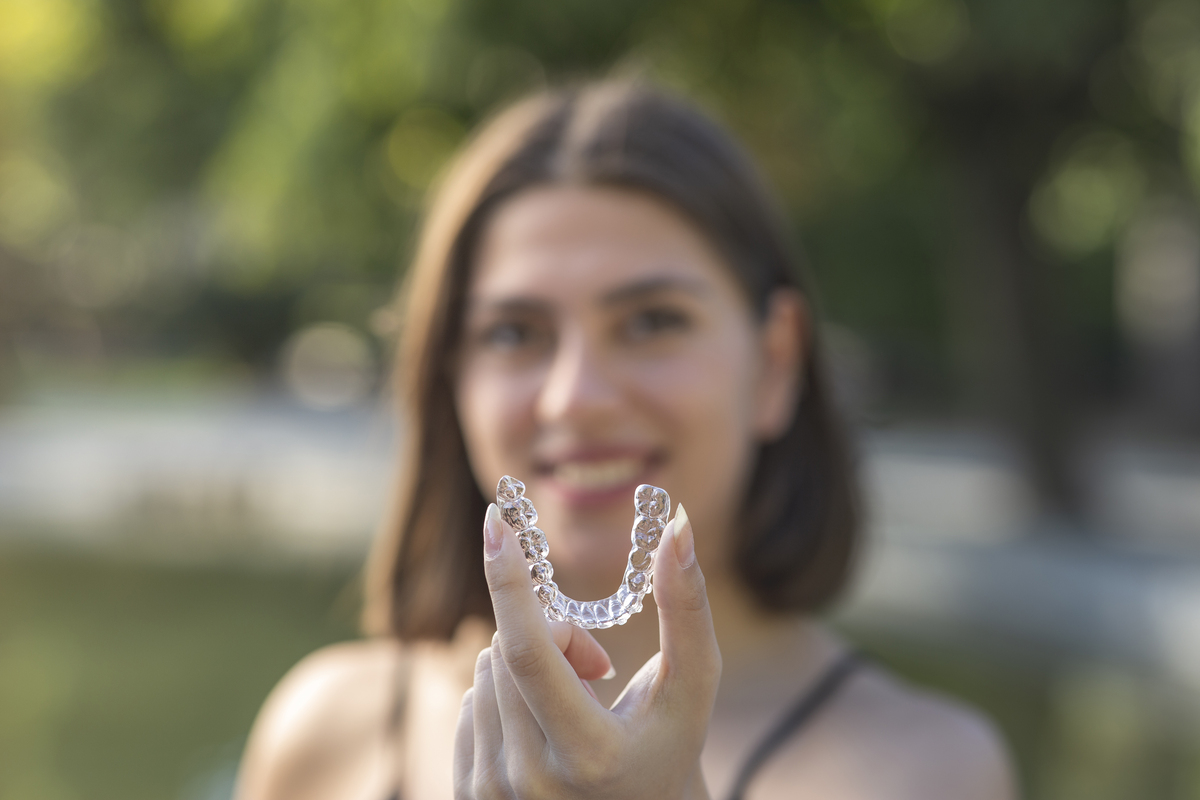
You just spent a significant chunk of change on those sleek, clear Invisalign aligners. You’re wearing them 22 hours a day, watching your teeth shift into perfection. But have you looked—really looked—at your trays lately?
If they’re looking a little cloudy or smelling a bit… funky… You aren’t just dealing with a cosmetic issue. You might be hosting a microscopic party that your gums definitely didn’t invite. We all know the drill: brush, floss, and wear your trays. But why is the “cleaning” part of that trio so non-negotiable?
Think of your aligners like a greenhouse. They are warm, moist, and sealed tight against your teeth—the perfect environment for bacteria to throw a rave. Today, we’re diving deep into the science of why “rinsing with water” just doesn’t cut it and how proper hygiene protects your investment (and your breath).
The Connection Between Oral Health and Invisalign Hygiene
Before we talk trays and brushes, here’s some big-picture context:
Oral Disease Isn’t Rare — It’s Common
In the U.S., dental decay (cavities) affects roughly 90% of adults ages 20–64, and nearly half of adults 45–64 years old have gum disease (periodontal disease).
And yet, about only 65% of adults actually visit a certified Hutto dentist for regular cleaning each year.
Why does this matter for Invisalign users? Because clear aligners create a moist, warm environment where bacteria thrive if they’re not cleaned properly. And bacteria + trapped food = trouble.
What Happens When Invisalign Aren’t Cleaned Properly
Imagine you wear your Invisalign for 20–22 hours a day, as most orthodontists recommend. That’s a lot of time for saliva, bacteria, and food particles to hang out inside the trays.
Here’s what can go wrong:
Bacterial Build-Up and Biofilm Formation
Your mouth contains hundreds of bacterial species, and aligners can accumulate bacterial biofilm — a sticky microbial film that forms when bacteria stick to surfaces.
Biofilm builds up quickly. In lab studies tracking bacterial adhesion on clear aligner materials, biofilm levels increased steadily over time.
This means dirty trays aren’t just “gross” — they’re microscopic bacterial colonies.
Increased Risk of Cavities and Tooth Decay
When bacteria feast on trapped food particles beneath your aligners, they produce acids that erode enamel. This is one of the primary mechanisms behind cavities — already a disease nearly all adults experience.
Dirty aligners block saliva from naturally protecting your teeth. Saliva helps neutralise acids and wash food debris away. When aligners prevent saliva from doing its job, acids stick around longer, and decay risk rises.
Bad Breath (Halitosis)
Bacteria release foul-smelling sulfur compounds — the main cause of bad breath. When aligners are dirty, this smell doesn’t just stay on the trays… it stays in your mouth.
So if you’re brushing but still suffering from bad breath while wearing Invisalign, dirty trays might be the culprit.
Gum Disease (Gingivitis & Periodontitis)
Plaque and bacteria pressed against your gums can irritate gum tissue, leading to inflammation (gingivitis). If left untreated, this inflammation can progress to periodontitis, a major gum disease that can damage bone and eventually lead to tooth loss.
And gum disease isn’t rare — almost 50% of U.S. adults have periodontal disease by middle age.
Misconceptions About Cleaning
There are plenty of myths about how to clean Invisalign aligners. Let’s clear some up:
Myth:
- Mouthwash Does the Job: Soaking trays in mouthwash might smell nice, but many contain alcohol and dyes that can dry out or stain the plastic.
- Toothpaste Is Fine: Toothpaste can be too abrasive for clear plastic. It can cause scratches that trap more bacteria and make trays look cloudy.
- Hot Water Is Better: Hot or boiling water can warp Invisalign trays, ruining their fit and effectiveness.
How to Clean Invisalign the Right Way
Most orthodontists and dentists agree: Clean trays daily. Clean them right. Here’s a great routine to follow:
Daily Basic Clean
- Rinse trays every time you remove them — to flush out saliva and debris.
- Brush gently (with a soft toothbrush) and mild soap or Invisalign-safe cleaner once or twice a day.
Weekly Deep Clean
Using Invisalign cleaning crystals or denture-safe cleaning tablets once a week can significantly reduce biofilm buildup and keep trays fresh.
Just avoid bleach-based or harsh chemical cleaners unless your dentist specifically approves them.
Benefits of Proper Cleaning
Now that we’ve highlighted the risks, let’s talk about the upside:
- Invisible & Comfortable: Clear aligners are popular because they’re discreet. Keeping them clean prevents yellowing and cloudiness — letting you smile confidently throughout treatment.
- Fresher Breath: Clean trays = fewer bacteria = less bad breath. It’s that simple.
- Better Oral Health: Proper cleaning reduces plaque and bacterial accumulation, protecting enamel and gum tissue — especially important in a population already prone to cavities and gingivitis.
- More Effective Treatment: If your trays stay intact and correctly shaped, they’ll fit better and move teeth more predictably. Dirty, warped trays can hinder the orthodontic process.
Invisalign Cleaning and Overall Health
Here’s something many people don’t realise: Oral health affects more than your mouth.
Poor oral hygiene has been linked to systemic inflammation and chronic health issues — even cardiovascular problems. While research on aligners specifically is ongoing, it’s clear that maintaining good oral hygiene protects not just your teeth, but your whole body.
Conclusion
Proper Invisalign cleaning isn’t just a chore; it’s an essential part of your medical treatment. By keeping your aligners free of biofilm and plaque, you are preventing tooth decay, protecting your gums, and ensuring that your breath stays fresh. Remember, the goal isn’t just straight teeth—it’s a healthy smile that lasts a lifetime.
When you take care of your aligners, you’re taking care of the investment you’ve made in yourself. Keep them clear, keep them clean, and let your confidence shine through.
Frequently Asked Questions
1. How often should I clean my Invisalign aligners?
You should rinse them every time you take them out and give them a gentle brush once or twice daily, with a deep clean using a gel or tablet-based cleaner at least once a week.
2. Can dirty aligners really cause cavities?
Yes — trapped food and bacteria under aligners produce acid that erodes enamel, increasing the risk of cavities.
3. Is mouthwash safe for cleaning Invisalign trays?
Most mouthwashes contain alcohol and dyes that can dry out, warp, or stain trays — so they’re generally not recommended.
4. Do clean trays affect how Invisalign treatment works?
Absolutely! Clean, well-fitting trays help ensure that aligner forces move teeth as planned. Warped or bacteria-coated trays can compromise treatment fit and hygiene.
5. What’s the best cleaning solution for Invisalign?
Mild antibacterial soap with a soft brush or specialised Invisalign cleaning crystals/tablets are safest for daily or weekly cleaning. Avoid whitening toothpastes and harsh abrasives.