Have your teeth started looking shorter, flatter, yellower, or more uneven than before? Perhaps your front teeth have lost their natural shape, the edges look chipped, or your teeth feel sensitive when you drink something cold. These changes can affect both your teeth’s appearance and how you chew.
The good news is that cosmetic dentistry can often improve the appearance of worn-down teeth while helping restore their shape and function. The right treatment depends on how much tooth structure remains, what caused the wear, and whether the teeth have underlying damage.
For residents of Hutto, TX, understanding the available treatment options is a useful first step toward making informed decisions about dental care. At Advanced Dental Care of Hutto, Dr. Chad Brown can evaluate your dental concerns and help determine which restorative or cosmetic options best fit your needs.
Have you noticed your teeth look different in photographs or that your bite doesn’t feel the same? Learning what causes tooth wear can help you understand when professional dental treatment may be beneficial.
What Causes Teeth to Become Worn Down?
Tooth wear occurs when the hard outer enamel and, in more advanced cases, the underlying dentin gradually lose their natural structure. Some wear happens naturally over time, but excessive wear may result from habits, dietary choices, or dental and medical conditions.
According to the American Dental Association (ADA), dental erosion involves the progressive loss of tooth mineral from exposure to acids that do not originate from bacteria. The ADA also cites U.S. research estimating erosive tooth wear in as many as 80% of adults, based on an analysis of older national survey data. This figure comes from historical data and should not be interpreted as a current estimate for every adult population.
Several factors can contribute to worn-down teeth.
1. Teeth Grinding and Clenching
Bruxism, or grinding and clenching your teeth, places repeated pressure on the enamel. Some people grind their teeth during sleep without realizing it, while others clench their jaws during stressful situations.
Over time, this pressure can flatten the chewing surfaces, shorten the front teeth, and cause small chips along the edges. Severe grinding may also contribute to jaw discomfort, headaches, and damage to existing dental restorations.
2. Acidic Foods and Drinks
Frequent exposure to acidic beverages and foods can soften enamel and make it more vulnerable to wear. Soda, sports drinks, energy drinks, fruit juices, and sour candies may contribute to erosion, particularly when consumed frequently throughout the day.
The ADA reports that a 2016 study measuring 379 commercially available beverages in the United States found that 93% had a pH below 4.0. Although pH alone does not determine a beverage’s erosive potential, the findings show how common acidic drinks are.
3. Acid Reflux and Other Medical Conditions
Stomach acid can reach the mouth in people who experience gastroesophageal reflux disease (GERD) or recurrent vomiting. Repeated exposure may gradually wear away enamel, especially on the inner surfaces of the upper front teeth and on chewing surfaces.
If you experience frequent heartburn or acid reflux, tell your dentist. Addressing the underlying cause is an important part of protecting your teeth after treatment.
4. Aggressive Brushing and Everyday Habits
Brushing too hard, using a hard-bristled toothbrush, or frequently chewing hard objects may contribute to tooth surface damage. Nail biting, chewing ice, and using teeth to open packaging can also cause chips or fractures.
Identifying the cause of tooth wear is essential because cosmetic improvements alone may not prevent the problem from returning.
Can Cosmetic Dentistry Improve Worn-Down Teeth?
Yes. Cosmetic dentistry in Hutto can improve the shape, color, and overall appearance of worn-down teeth. Depending on the extent of damage, treatment may also restore chewing surfaces, protect weakened teeth, and improve bite function.
However, not every worn tooth needs the same procedure. A patient with minor chips may benefit from a conservative treatment, while someone with substantial enamel loss may require a more comprehensive restorative approach.
The National Institute of Dental and Craniofacial Research (NIDCR) explains that restorative materials, including composite resins and ceramics, can repair damaged tooth surfaces. The appropriate material and restoration depend on the location and severity of the damage.
Here are several options your dentist may discuss.
1. Dental Bonding for Minor Chips and Uneven Edges
Dental bonding uses tooth-colored composite resin to rebuild small areas of missing tooth structure. A dentist applies the material to the affected surface, shapes it to resemble the natural tooth, and hardens it with a curing light.
Bonding may be appropriate when:
- The front teeth have small chips or flattened edges.
- Minor gaps make the teeth look uneven.
- A tooth has slight discoloration or surface irregularities.
- A conservative cosmetic improvement is possible without extensive restoration.
One advantage of bonding is that it can often be completed in a single appointment. It may also require less removal of natural tooth structure than some alternatives.
However, composite resin can stain, chip, or wear over time. Bonding may not be suitable for teeth that have lost substantial structure or experience heavy grinding pressure.
2. Porcelain Veneers for Visible Front Teeth
Porcelain veneers are thin, custom-made coverings bonded to the front surfaces of teeth. They can improve the appearance of worn edges, uneven tooth shapes, and certain discoloration concerns.
For patients whose front teeth appear shorter because of moderate wear, veneers may help create a more balanced appearance. Their color and shape can be planned to complement the surrounding teeth.
Veneers are primarily cosmetic restorations, so they are not automatically the best choice for severely weakened teeth. Some veneer procedures require removing a small amount of enamel, and that change may be irreversible.
Your dentist will also consider whether you grind your teeth, how much enamel remains, and whether the veneers would be exposed to excessive biting forces.
3. Dental Crowns for More Extensive Tooth Damage
When a tooth is significantly worn, cracked, or weakened, a dental crown may offer more appropriate coverage than bonding or a veneer.
A crown covers much or all of the visible portion of a tooth. Depending on the material and clinical situation, it can restore the tooth’s shape, strengthen its remaining structure, and improve its appearance.
Crowns may be considered when:
- A molar has substantial wear across its chewing surface.
- A tooth has large existing fillings and weakened walls.
- Grinding has caused considerable structural damage.
- A tooth needs more extensive restoration than bonding can provide.
Crowns can be made from ceramic, porcelain-based materials, metal alloys, or other dental materials. The choice depends on the tooth’s location, bite forces, appearance, and individual clinical needs.
The NIDCR notes that crowns are used to repair badly broken-down teeth and that restorations do not last forever; they may eventually require replacement.
4. Rebuilding Worn Chewing Surfaces
Worn-down teeth do not always have obvious cosmetic problems at the front of the mouth. Molars and premolars can also lose their natural contours, affecting chewing comfort and the way upper and lower teeth meet.
Depending on the damage, a dentist may use composite restorations, crowns, or a combination of treatments to rebuild selected surfaces.
In some cases, multiple teeth require attention because the wear has affected the overall bite. A more comprehensive treatment plan may then be necessary.
Rebuilding worn teeth requires careful planning. Adding material without evaluating the bite can create uneven contacts or place excessive pressure on certain teeth. The dentist must consider how the restored teeth will function together, not simply how they look individually.
5. Teeth Whitening for Discoloration Associated With Wear
Worn teeth may look more yellow because thinner enamel lets the naturally darker dentin beneath show through.
Professional teeth whitening may help when the discoloration is caused by stains that respond to bleaching. However, whitening cannot rebuild missing enamel or restore shortened teeth.
It may also be less effective when yellowing results primarily from exposed dentin or other structural changes. In these situations, bonding, veneers, or crowns may be more suitable, depending on the tooth’s condition.
If you are considering several cosmetic procedures, ask your dentist about treatment order. Dentists generally plan whitening before finalizing the shade of new tooth-colored restorations because restorative materials don’t respond to bleaching the same way natural teeth do.
How Does a Dentist Determine the Right Treatment?
Choosing a cosmetic treatment begins with an examination, not a decision based on appearance alone.
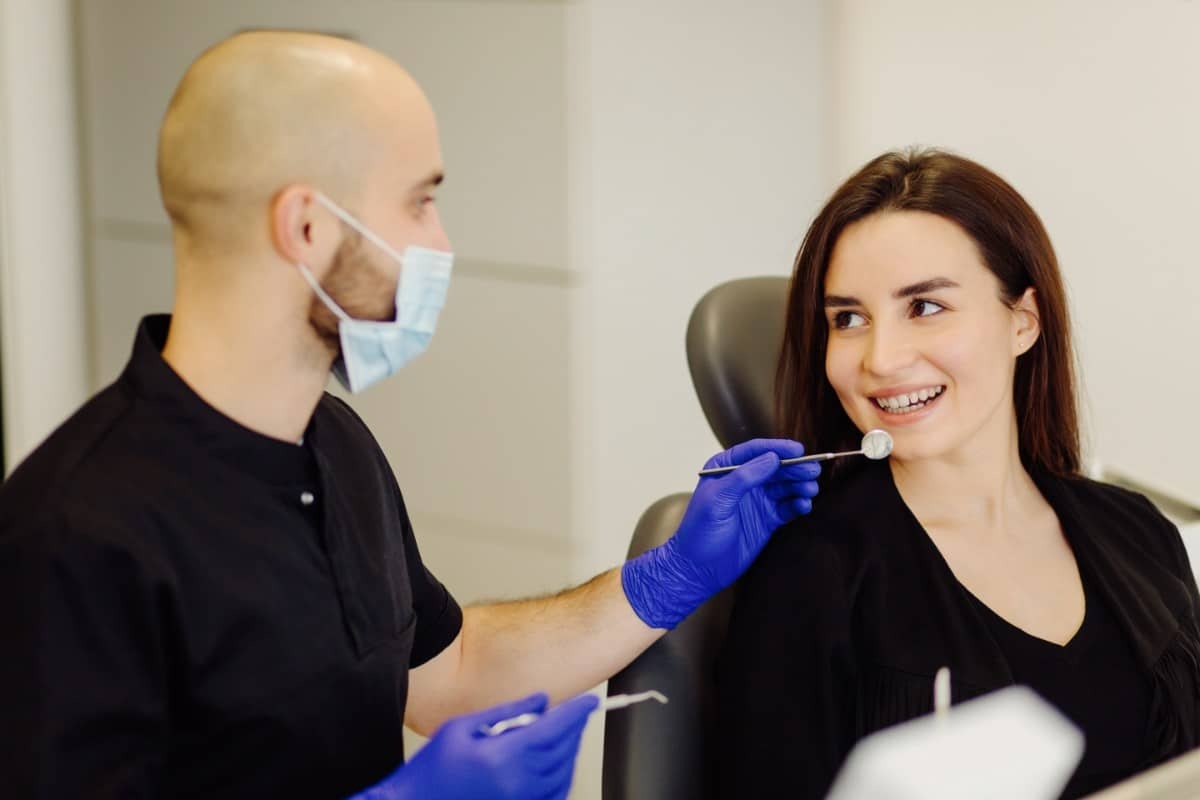
At Advanced Dental Care of Hutto, an evaluation with Dr. Chad Brown can help determine the extent of tooth wear and identify any factors that need attention before restorative work begins.
Your dentist may assess:
- The amount of remaining enamel: Teeth with substantial natural structure may have more conservative treatment options.
- The location of wear: Front teeth and chewing teeth have different functional and aesthetic requirements.
- Existing dental problems: Cavities, cracks, gum disease, or damaged restorations may need treatment first.
- Your bite and grinding habits: Excessive pressure can affect the success of cosmetic restorations.
- The cause of the wear: Acid exposure, clenching, and other contributing factors may need to be managed.
Dental X-rays may be recommended when clinically indicated to evaluate problems that cannot be fully assessed during a visual examination.
Your treatment plan should balance appearance, durability, preservation of healthy tooth structure, and cost. In some cases, monitoring and preventive care may be appropriate before considering cosmetic restoration.
How Can You Prevent Further Tooth Wear After Cosmetic Treatment?
Restoring worn teeth is only part of the process. Preventing additional damage helps protect your natural teeth and the investment you make in dental treatment.
The following habits may help reduce future wear.
Reduce Frequent Acid Exposure
Try to limit how often you sip soda, energy drinks, and other acidic beverages throughout the day. Drink water with meals and rinse your mouth with water after consuming acidic foods or drinks.
The ADA recommends reducing exposure to dietary acids and addressing contributing conditions to manage dental erosion.
American Dental Association+1
Use a Soft-Bristled Toothbrush
Brush twice daily with fluoride toothpaste and a soft-bristled toothbrush. Avoid aggressive scrubbing, which may contribute to wear around exposed tooth surfaces.
If you have recently consumed something acidic, rinse with water and wait before brushing to reduce the risk of brushing softened enamel.
Consider a Night Guard for Teeth Grinding
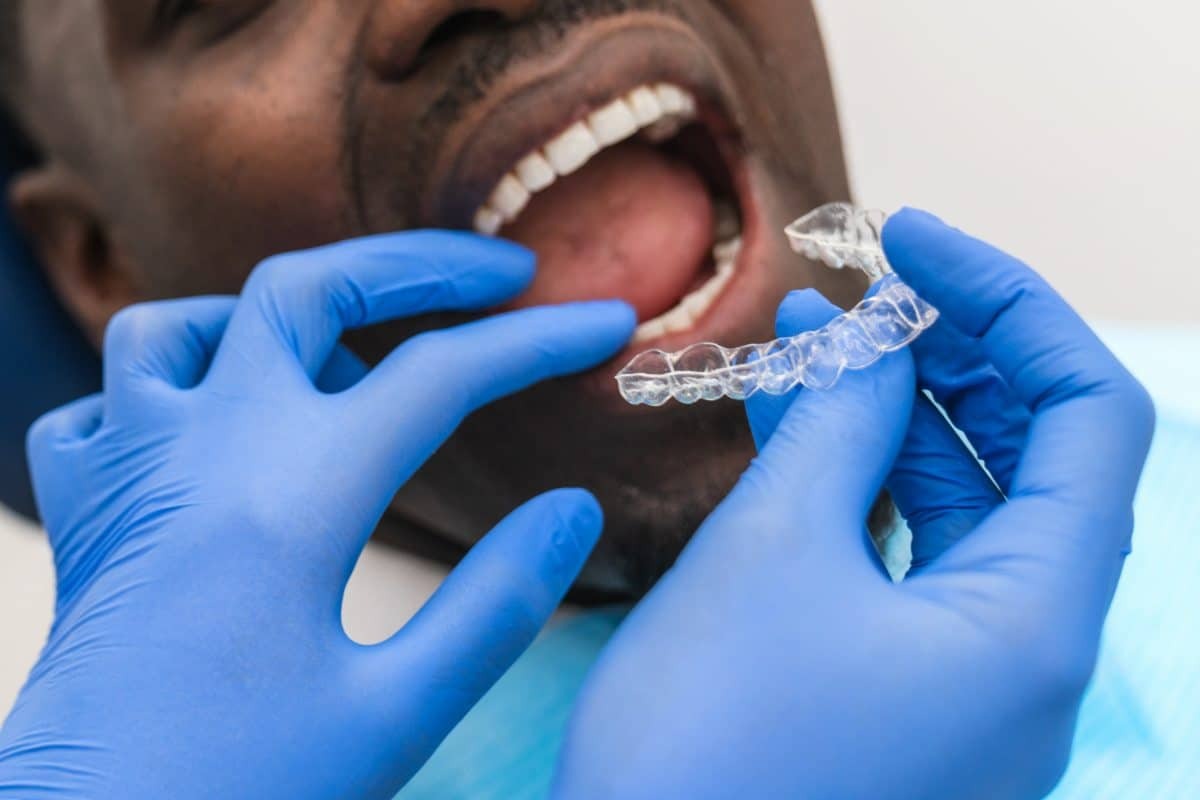
If you grind or clench your teeth while sleeping, your dentist may recommend a custom night guard. It creates a protective barrier between the upper and lower teeth and can help reduce direct tooth-to-tooth wear.
A night guard does not eliminate every cause of grinding, but it may help protect teeth and dental restorations from excessive contact.
Keep Up With Regular Dental Visits
Routine examinations allow your dentist to monitor changes in tooth shape, check existing restorations, and identify signs of ongoing wear. If acid reflux, dry mouth, or another underlying issue contributes to the problem, managing that factor is also important.
Early evaluation may allow less extensive treatment than waiting until a tooth becomes severely damaged.
When Should You See a Dentist About Worn-Down Teeth?
Some changes in tooth appearance develop gradually and cause little discomfort. Others may indicate damage that needs prompt attention.
Schedule a dental evaluation if you notice:
- Teeth that appear shorter or flatter than before.
- Increasing sensitivity to hot, cold, or sweet foods.
- Chipped edges or visible cracks.
- Yellowing associated with thinning enamel.
- Difficulty chewing comfortably or a change in your bite.
- Dental restorations that feel loose, rough, or damaged.
Seek urgent dental care for significant tooth fractures, severe or persistent pain, or swelling. Facial swelling accompanied by difficulty breathing or swallowing requires emergency medical attention.
At Advanced Dental Care of Hutto, discussing these symptoms with Dr. Chad Brown can help you determine whether cosmetic treatment, restorative dentistry, preventive measures, or a combination of approaches is appropriate.
Conclusion
Cosmetic dentistry can make a meaningful difference for people with worn-down teeth. Depending on your teeth’s condition, dental bonding, porcelain veneers, crowns, or other restorative treatments may improve tooth shape, correct uneven edges, and restore a more natural appearance.
However, successful treatment involves more than improving aesthetics. Identifying the cause of tooth wear, protecting remaining enamel, and managing grinding or acid exposure are essential steps toward maintaining your results.
If you have noticed changes in your teeth, an examination can help you understand your options and choose an approach that fits your oral health and goals.
Visit our dental practice in Hutto, TX. Book now to schedule your appointment with our team at Advanced Dental Care of Hutto and discuss your concerns with Dr. Chad Brown.
Frequently Asked Questions
1. What dental services can our dentist provide at Advanced Dental Care of Hutto?
Our dentist can evaluate your oral health and discuss appropriate preventive, restorative, and cosmetic dental treatments. Depending on your needs, recommendations may include routine examinations, fillings, crowns, bonding, or other procedures to help maintain or improve your dental health.
2. How often should I visit our dentist for a dental checkup?
Our dentist can recommend an examination schedule based on your oral health, dental history, and risk factors. Many patients benefit from regular checkups every six months, although some may need more frequent visits to monitor specific concerns.
3. Does our dentist offer treatment for chipped or damaged teeth?
Our dentist can examine chipped, cracked, or damaged teeth and determine the most appropriate treatment. Depending on the extent of the damage, options may include bonding, fillings, or crowns. More serious injuries may require additional treatment.
4. How can I prepare for my appointment with our dentist?
Before your visit, note any symptoms, medications, allergies, and dental concerns you want to discuss. Bring relevant dental insurance information if applicable, and mention habits such as teeth grinding or frequent acid reflux that may affect your oral health.
5. How much does cosmetic dental treatment cost?
Cost depends on the procedure, the number of teeth involved, the extent of damage, and whether additional treatment is needed. Our dentist can evaluate your teeth, explain suitable options, and provide a treatment estimate. Ask about insurance coverage and payment options before starting treatment.