
Missing or damaged teeth can affect much more than your smile. They may impact your confidence, chewing ability, speech, and even long-term oral health. If your dentist recently mentioned dental implants or crowns, you may be wondering which option is truly best for restoring your teeth.
Both dental implants and crowns are popular restorative dentistry solutions in the United States, but they serve different purposes. While crowns are typically used to repair damaged teeth, dental implants replace missing teeth entirely.
According to the American Academy of Implant Dentistry, more than 3 million Americans currently have dental implants, with the number growing by approximately 500,000 each year. (aaid.com)
Meanwhile, dental crowns remain among the most commonly performed restorative procedures in the country because they help preserve weakened natural teeth.
This guide explains the differences between dental implants and crowns, including costs, durability, benefits, risks, and long-term outcomes, so you can better understand which treatment may fit your dental needs.
Difference Between Implants and Crowns
Dental Crown
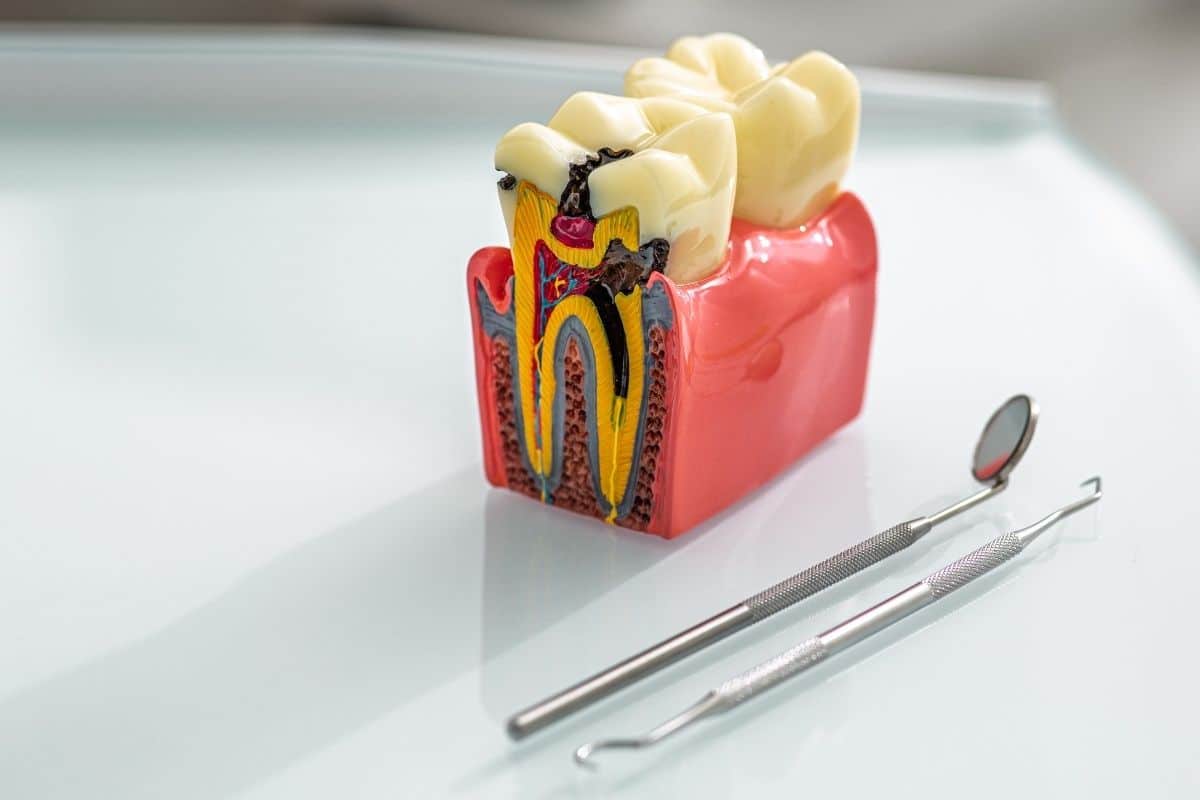
A dental crown is a custom-made cap placed over a damaged or weakened tooth.
Crowns help restore:
- Shape
- Strength
- Function
- Appearance
Crowns may be made from:
- Porcelain
- Ceramic
- Zirconia
- Metal
- Porcelain-fused-to-metal
Dentists often recommend crowns after:
- Root canals
- Large cavities
- Cracked teeth
- Severe tooth wear
Unlike implants, crowns require an existing tooth structure to support them.
Dental Implant
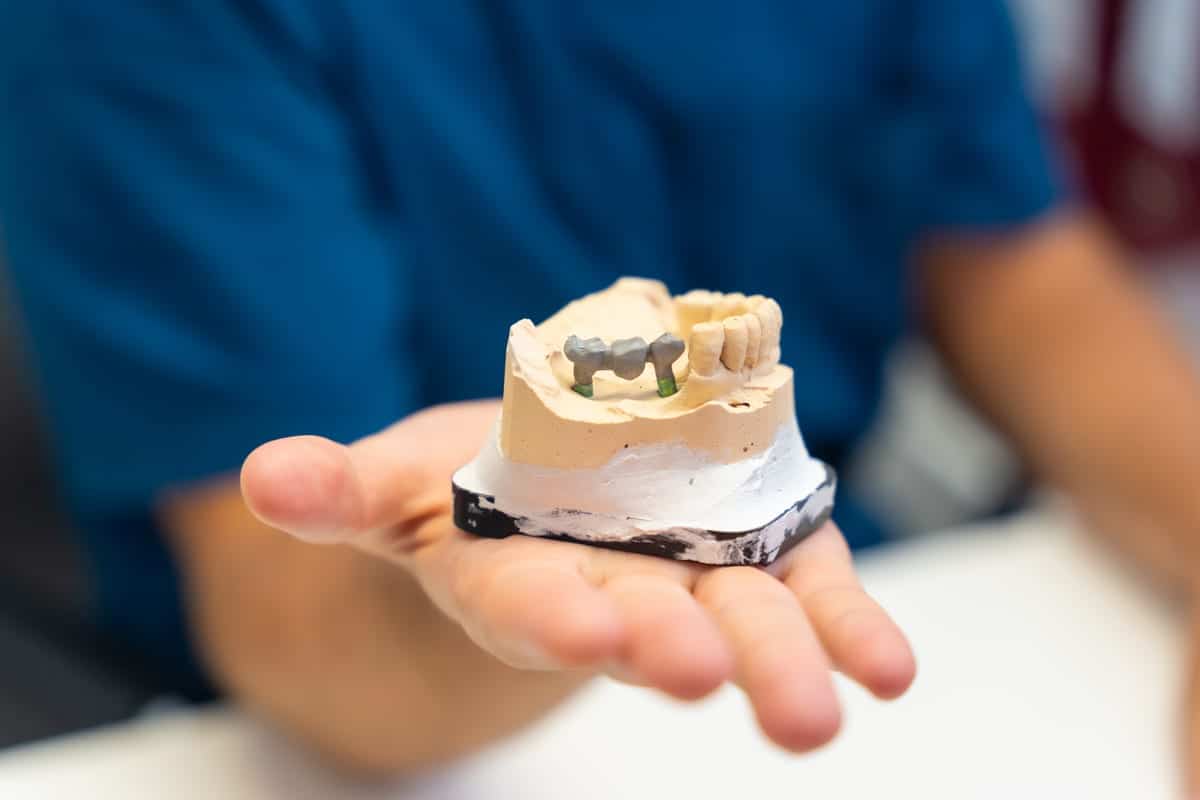
A dental implant is an artificial tooth root surgically placed into the jawbone.
The implant supports:
- A dental crown
- A bridge
- Implant-supported dentures
A complete implant restoration usually includes:
- Titanium implant post
- Abutment connector
- Implant crown
Dental implants replace missing teeth rather than repairing damaged ones.
Main Difference Between Implants and Crowns
The biggest difference is simple:
- Crowns repair existing teeth
- Dental implants replace missing teeth
A crown sits over a natural tooth.
An implant replaces the entire tooth root and crown structure.
This distinction often determines which treatment dentists recommend.
When Dentists Recommend Dental Crowns
Crowns are usually recommended when a tooth:
- Still has healthy roots
- Can be saved
- Has enough structure remaining
Crowns may be ideal for:
- Cracked teeth
- Large fillings
- Cosmetic improvement
- Root canal-treated teeth
Saving natural teeth is often preferred whenever possible.
When Dentists Recommend Dental Implants
Implants are commonly recommended when:
- A tooth is completely missing
- A tooth cannot be saved
- Severe fractures exist
- Bone support remains healthy
The American Academy of Implant Dentistry describes implants as one of the most stable long-term tooth replacement solutions available today.
Implants may also help prevent jawbone loss after tooth extraction.
How Long Do Crowns Last?
Dental crowns are durable but not permanent forever.
- Crowns generally last between 5 and 15 years
- Some may last much longer with proper care
Factors affecting crown lifespan include:
- Teeth grinding
- Oral hygiene
- Diet
- Crown material
- Bite pressure
Many patients online report crowns lasting 15–20 years or longer with excellent dental care.
How Long Do Dental Implants Last?
Dental implants have extremely high long-term success rates.
According to the American Academy of Implant Dentistry:
- Implant success rates commonly exceed 95% in healthy patients
The implant post itself may last decades or even a lifetime.
However:
- Implant crowns may eventually need replacement
- Gum health still matters greatly
The Cleveland Clinic explains that proper oral hygiene is critical for implant longevity.
Dental Implants vs. Crowns: Appearance
Both options can look highly natural.
Modern crowns and implant restorations are carefully designed to match:
- Tooth color
- Shape
- Bite alignment
Many patients cannot visually distinguish implants from natural teeth.
Zirconia and porcelain restorations are especially popular for cosmetic appearance.
Which Option Feels More Natural?
Many patients say implants feel closest to natural teeth because they integrate directly with the jawbone.
Crowns can also feel natural, especially when placed over healthy tooth roots.
Comfort depends on:
- Bite alignment
- Placement quality
- Gum health
- Healing
Bone Loss and Jaw Health
One major advantage of implants is bone preservation.
When teeth are lost, the jawbone may gradually shrink.
The American Academy of Periodontology notes that implants may help preserve jawbone by stimulating bone growth in a manner similar to natural tooth roots.
Crowns alone do not prevent bone loss if the tooth root is missing.
Procedure Timeline Comparison
Crowns
Crowns usually require:
- 1–2 appointments
- Tooth preparation
- Impressions
- Crown placement
Treatment may finish within a few weeks.
Dental Implants
Implants require a longer process involving:
- Surgical placement
- Healing time
- Bone integration
- Crown attachment
Healing may take:
- Several months
However, many patients feel the long-term benefits justify the longer timeline.
Risks of Dental Crowns
Potential crown complications include:
- Crown loosening
- Tooth sensitivity
- Fractures
- Decay beneath the crown
- Gum irritation
Risks of Dental Implants
Although implants are highly successful, risks include:
- Infection
- Implant failure
- Bone loss
- Nerve damage
- Peri-implantitis
Smoking and poor oral hygiene increase implant complication risks.
Which Option Requires More Maintenance?
Both crowns and implants require:
- Brushing twice daily
- Flossing
- Regular dental visits
Implants cannot develop cavities, but surrounding gums and bone remain vulnerable to disease.
Who Is a Good Candidate for Dental Implants?
Good implant candidates usually have:
- Healthy gums
- Adequate jawbone
- Good oral hygiene
- Non-smoking habits
Patients with severe bone loss may require:
- Bone grafting
- Additional procedures
The American Academy of Implant Dentistry notes that overall oral and medical health affect implant success.
Who Is a Good Candidate for Crowns?
Crowns may work best for patients with:
- Structurally salvageable teeth
- Healthy tooth roots
- Moderate tooth damage
- Cosmetic concerns
Dentists often prioritize preserving natural teeth whenever feasible.
Which Option Is Better Long Term?
There is no universal answer.
Crowns May Be Better If:
- The tooth can still be saved
- You prefer less invasive treatment
- Budget is a major factor
Implants May Be Better If:
- The tooth is missing
- The tooth cannot be restored
- Long-term bone preservation matters
The best option depends on your oral health, goals, and dentist’s recommendations.
Conclusion
Dental implants and crowns are both highly effective restorative dental treatments, but they serve different purposes. Crowns help repair and strengthen damaged natural teeth, while implants replace missing teeth entirely by restoring both the root and visible tooth structure.
Crowns are typically less expensive, faster to complete, and ideal when a natural tooth can still be preserved. Dental implants, while more costly and time-intensive, often provide exceptional long-term stability, bone preservation, and natural function.
The right choice depends on factors such as tooth condition, oral health, budget, jawbone quality, and long-term goals. A certified Hutto dentist can evaluate your situation and recommend the treatment that best protects your oral health and smile for years to come.
Frequently Asked Questions
1. Are dental implants better than crowns?
Not always. Crowns are often better when the natural tooth can still be saved, while implants are ideal for replacing missing teeth.
2. How long do dental implants last?
Implants may last decades or even a lifetime with proper care and healthy gums. (aaid.com)
3. Are crowns cheaper than implants?
Yes. Crowns generally cost significantly less than dental implants upfront. (goodrx.com)
4. Do implants feel like real teeth?
Many patients say implants feel very similar to natural teeth because they integrate with the jawbone.
5. Can a crown be placed on an implant?
Yes. Most dental implants are restored using implant-supported crowns attached to the implant post.