You finally completed your Invisalign treatment. Your teeth look straighter, your smile feels more confident, and now you are wearing retainers to maintain the results. But suddenly, you begin noticing jaw soreness, pressure, headaches, or aching teeth—especially in the morning. Naturally, one question comes to mind: Can Invisalign retainers actually cause teeth pain or headaches?
The answer is yes, sometimes they can.
Although Invisalign retainers are designed to keep teeth in place after orthodontic treatment, some patients experience temporary discomfort, jaw tension, tooth sensitivity, or headaches during the adjustment period. In many cases, these symptoms are mild and improve within days. However, persistent pain or severe headaches may indicate issues such as retainer tightness, shifting teeth, clenching, TMJ strain, or an improper fit.
According to the American Association of Orthodontists, retainers are a critical part of orthodontic treatment because teeth naturally try to shift back after braces or aligners are removed.
Understanding why Invisalign retainers sometimes cause discomfort can help patients manage symptoms early and know when to contact their orthodontist. This guide explains the causes of retainer-related pain, headache triggers, warning signs, relief tips, and long-term retainer care recommendations for patients across the United States.
What Are Invisalign Retainers?
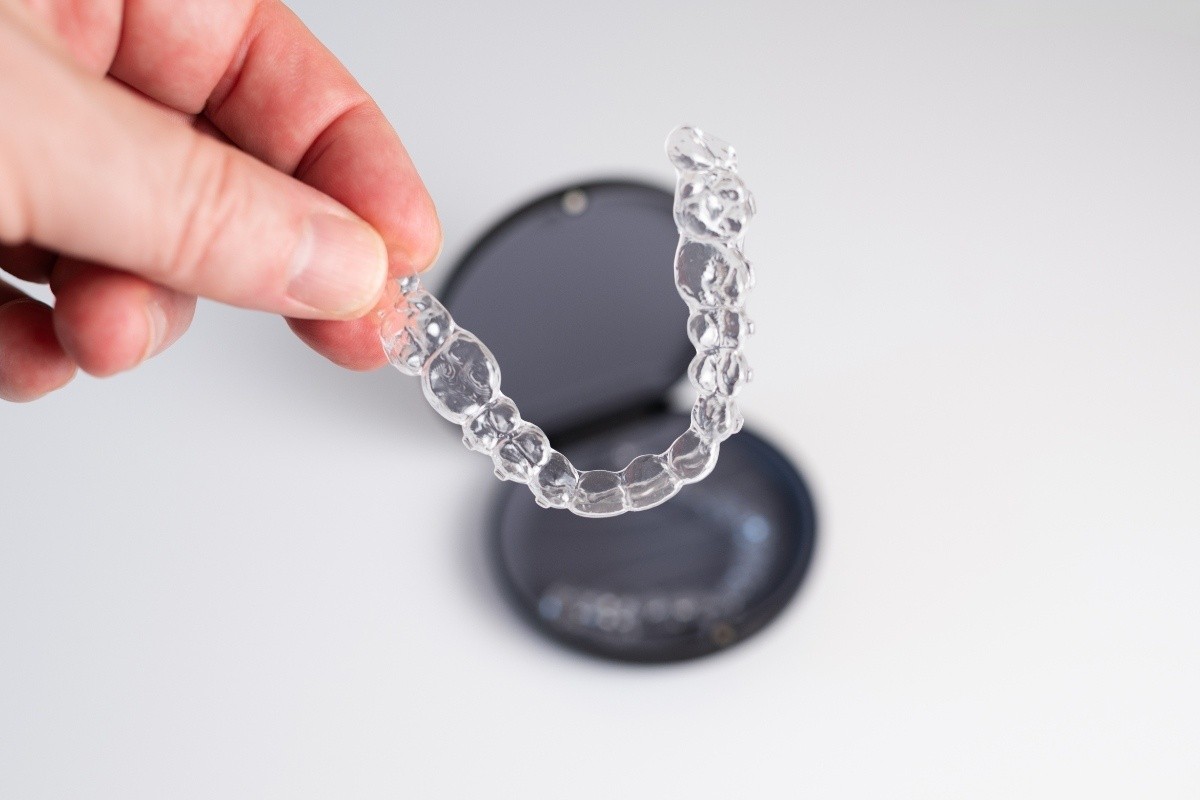
Invisalign retainers are clear, removable trays designed to maintain tooth alignment after orthodontic treatment.
They help:
- Prevent teeth from shifting
- Stabilize bite alignment
- Preserve orthodontic results
- Reduce relapse after Invisalign
The American Association of Orthodontists explains that retainers are custom-made devices created to “retain” teeth in their corrected positions after orthodontic treatment.
Common types include:
- Clear retainers
- Hawley retainers
- Fixed bonded retainers
Many Invisalign patients use clear plastic retainers similar in appearance to aligner trays.
Can Invisalign Retainers Cause Tooth Pain?
Yes. Mild tooth discomfort is fairly common when patients first begin wearing retainers or when they restart wearing them after a break.
The American Association of Orthodontists Retainer Guide states that retainers are designed to fit snugly and may initially feel tight or uncomfortable.
Patients may experience:
- Pressure on teeth
- Mild aching
- Jaw soreness
- Sensitivity while chewing
- Tightness during insertion
This discomfort usually occurs because retainers apply a gentle force to prevent tooth movement.
Can Invisalign Retainers Cause Headaches?
Yes, in some cases.
Headaches associated with Invisalign retainers are often linked to:
- Jaw tension
- Clenching
- Bite pressure
- Tooth movement
- Muscle strain
- Tight-fitting retainers
Several patients in online Invisalign communities describe tension headaches or jaw pain shortly after starting retainers.
One Reddit user reported severe morning headaches after beginning nightly Vivera retainers, especially when clenching during sleep.
Why Invisalign Retainers May Cause Pain or Headaches
Retainers Apply Pressure to Teeth
Retainers are supposed to fit tightly enough to prevent teeth from drifting.
The AAO explains that teeth naturally try to move back toward their original positions after orthodontic treatment.
This pressure may temporarily cause:
- Tooth soreness
- Jaw fatigue
- Mild headaches
- Bite tension
Patients often notice symptoms most strongly:
- During the first few nights
- After switching retainers
- After forgetting to wear retainers regularly
Teeth Shifting After Inconsistent Wear
If retainers are skipped for several days or weeks, teeth may shift slightly.
When patients restart wearing retainers:
- Pressure increases
- Tightness becomes more noticeable
- Headaches may occur
The AAO notes that retainers often feel tight when teeth have moved because of inconsistent wear.
Tight retainers can sometimes create:
- Pressure headaches
- Jaw discomfort
- Facial soreness
Jaw Clenching and Bruxism
Many Invisalign patients unconsciously clench or grind their teeth while sleeping.
This condition, called bruxism, may worsen when retainers alter bite pressure.
Reddit users frequently connect Invisalign retainers with:
- Morning headaches
- Jaw pain
- Temple tension
- Neck soreness caused by clenching
According to Verywell Health, teeth grinding can contribute to tooth movement, jaw discomfort, and shifting pressure patterns.
Ill-Fitting or Warped Retainers
A poorly fitting retainer may place uneven pressure on teeth or gums.
The AAO explains that warped retainers, cracks, or loose areas can create improper tooth pressure and irritation.
Causes of retainer warping include:
- Heat exposure
- Hot water cleaning
- Physical damage
- Improper storage
Ill-fitting retainers may trigger:
- Uneven tooth pain
- Jaw strain
- Bite imbalance
- Headaches
TMJ Stress and Muscle Tension
The temporomandibular joint (TMJ) connects the jaw to the skull.
Changes in bite alignment or jaw positioning from retainers may temporarily stress these muscles and joints.
Patients often describe:
- Tension headaches
- Ear pressure
- Jaw clicking
- Facial tightness
Several Reddit Invisalign users specifically mention jaw tension headaches linked to retainers or aligners.
How Common Is Orthodontic Pain?
Orthodontic discomfort is extremely common.
A published clinical study on orthodontic treatment found that:
- Around 90% of orthodontic patients report pain or discomfort during treatment
- Most pain is mild to moderate
- Symptoms commonly occur during chewing or pressure changes
Although retainers usually produce less force than active Invisalign trays, mild soreness still occurs in some patients.
What Kind of Pain Is Considered Normal?
Mild symptoms that often improve within days include:
- Slight tooth tenderness
- Pressure sensation
- Temporary jaw soreness
- Mild morning headaches
- Tightness during insertion
The AAO notes that retainers may feel uncomfortable initially while the mouth adjusts.
These symptoms are usually temporary.
Warning Signs You Should Not Ignore
Patients should contact their orthodontist if they experience:
- Severe headaches
- Sharp tooth pain
- Cracked retainers
- Bleeding gums
- Jaw locking
- Difficulty opening the mouth
- Facial swelling
- Persistent pain lasting more than 1–2 weeks
The AAO recommends professional evaluation if retainers remain painful or fit improperly.
How Long Does Retainer Pain Usually Last?
Most patients adapt within:
- A few days
- 1–2 weeks for mild tightness
Pain duration depends on:
- Retainer fit
- Consistency of wear
- Tooth movement
- Jaw tension
- Grinding habits
Several Invisalign users online report that headaches and soreness gradually improved after the adjustment period.
Tips To Reduce Invisalign Retainer Pain and Headaches
Wear Retainers Consistently
Skipping retainers increases the likelihood of tightness later.
Consistent wear helps:
- Maintain tooth stability
- Reduce pressure
- Prevent shifting
The AAO emphasizes that retainers must be worn regularly to maintain alignment.
Use Cold Water for Cleaning
Hot water may warp plastic retainers.
The AAO specifically warns against boiling retainers because heat can distort the material.
Warped retainers may worsen pressure and discomfort.
Practice Jaw Relaxation
Patients who clench at night may benefit from:
- Stress reduction
- Jaw stretching exercises
- Relaxation techniques
- Orthodontic evaluation for TMJ issues
Reducing muscle tension may decrease headache frequency.
Stay Hydrated
Some Invisalign users online mention dehydration contributing to headaches during treatment.
Drinking water may help:
- Reduce dry mouth
- Improve oral comfort
- Reduce tension-related symptoms
Use Over-the-Counter Pain Relief Carefully
Dentists sometimes recommend the temporary use of:
- Acetaminophen
- Ibuprofen
for mild orthodontic discomfort.
Patients should always follow medical guidance and dosing instructions.
Have Your Orthodontist Check the Fit
Retainers should fit snugly—but not painfully.
Orthodontists can evaluate:
- Pressure points
- Warping
- Bite changes
- Cracks
- Alignment issues
The AAO advises contacting your orthodontist if retainers feel persistently painful or unusually tight.
Can Invisalign Retainers Affect Sleep?
Sometimes.
Patients with clenching or TMJ issues may notice:
- Interrupted sleep
- Jaw tension
- Morning headaches
Several Reddit users describe waking with headaches that improve after removing retainers.
Persistent sleep-related symptoms should be professionally evaluated.
The Importance of Proper Retainer Cleaning
Dirty retainers may contribute to:
- Gum irritation
- Bacterial buildup
- Bad breath
- Inflammation
The AAO recommends cleaning retainers regularly using:
- Mild soap
- Soft toothbrushes
- Retainer cleaning solutions
Good hygiene helps reduce oral irritation.
Can Invisalign Retainers Damage Teeth?
Properly fitted retainers generally do not damage healthy teeth.
However, problems may develop if:
- Retainers are warped
- Teeth grinding is severe
- Pressure becomes excessive
- Retainers no longer fit correctly
One Reddit user described severe tooth trauma and pain linked to retainer pressure that required orthodontic evaluation.
Severe or worsening pain should never be ignored.
Long-Term Retainer Success Tips
To maintain healthy orthodontic results:
- Wear retainers exactly as instructed
- Store retainers safely
- Avoid heat exposure
- Attend orthodontic checkups
- Replace damaged retainers promptly
The AAO stresses that retention is an ongoing part of orthodontic care because teeth continue shifting throughout life.
Conclusion
Yes, Invisalign retainers can sometimes cause teeth pain, jaw soreness, or headaches—especially during the adjustment period or when retainers fit too tightly. In most cases, symptoms are temporary and improve as the mouth adapts.
Mild pressure and occasional discomfort are normal because retainers help keep teeth from shifting after orthodontic treatment. However, persistent headaches, severe pain, jaw locking, or worsening symptoms may indicate clenching, TMJ strain, tooth movement, or a poorly fitting retainer that requires professional evaluation.
Consistent retainer wear, proper cleaning, hydration, and regular orthodontic follow-ups can help minimize discomfort and protect your smile long term. If your symptoms continue beyond a couple of weeks, contact your local certified Hutto dentist promptly for an examination.
Frequently Asked Questions
1. Is it normal for Invisalign retainers to hurt?
Yes. Mild soreness or pressure is common when first wearing retainers or after skipping wear for several days.
2. Can Invisalign retainers cause headaches?
Yes. Tight retainers, jaw clenching, bite pressure, and TMJ strain may contribute to tension headaches in some patients.
3. How long does retainer pain last?
Most mild discomfort improves within a few days to two weeks depending on retainer fit and tooth movement.
4. Why do my retainers suddenly feel tight?
Retainers often feel tight when teeth shift because of inconsistent wear or natural movement over time.
5. When should I call my orthodontist about retainer pain?
Contact your orthodontist if you experience severe headaches, sharp pain, jaw locking, swelling, cracked retainers, or symptoms lasting longer than 1–2 weeks.