Choosing between a dental crown and a dental implant can feel like standing at a crossroads. One path leads to saving what you have; the other involves a high-tech “restart.” If you’re currently weighing these options, you’re far from alone. In fact, according to the CDC, nearly 25% of U.S. adults aged 65 and older have lost all their natural teeth, and millions more are missing at least one.
So, how do you decide? Do you “cap” the problem with a crown, or “replace” it entirely with an implant? Let’s dive into the data, the costs, and the clinical reality of both treatments to help you make the right call for your smile.
The Core Difference: What Are Crowns and Implants?
To pick the right treatment, you first have to understand the goal.
Dental Crowns: The “Reinforcement”
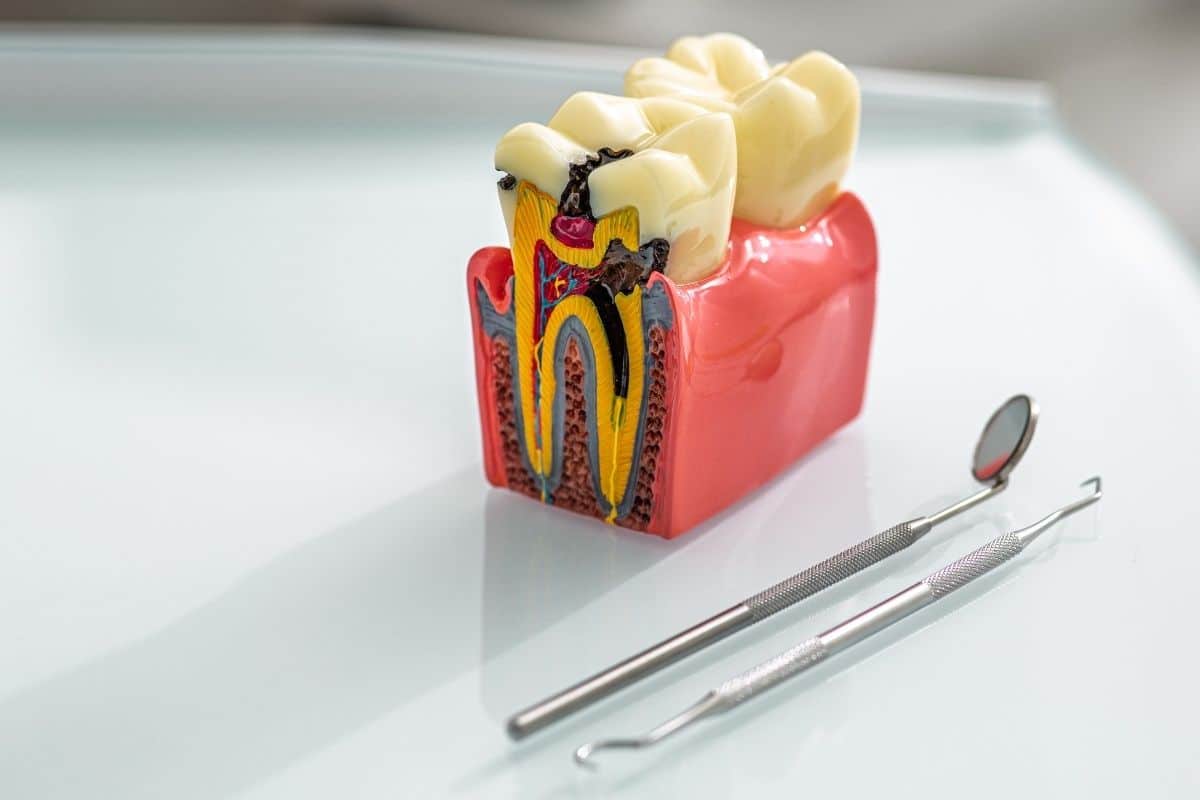
A dental crown is a custom-made cap that fits over your existing natural tooth. It is typically recommended when your tooth is cracked, decayed, or weakened (often after a root canal), but the root remains healthy.
- Success Rate: Highly predictable, with survival rates often exceeding 90% over 10 years when maintained properly.
- Timing: Fast. Usually requires 2 appointments over 1–2 weeks.
Dental Implants: The “Artificial Root”
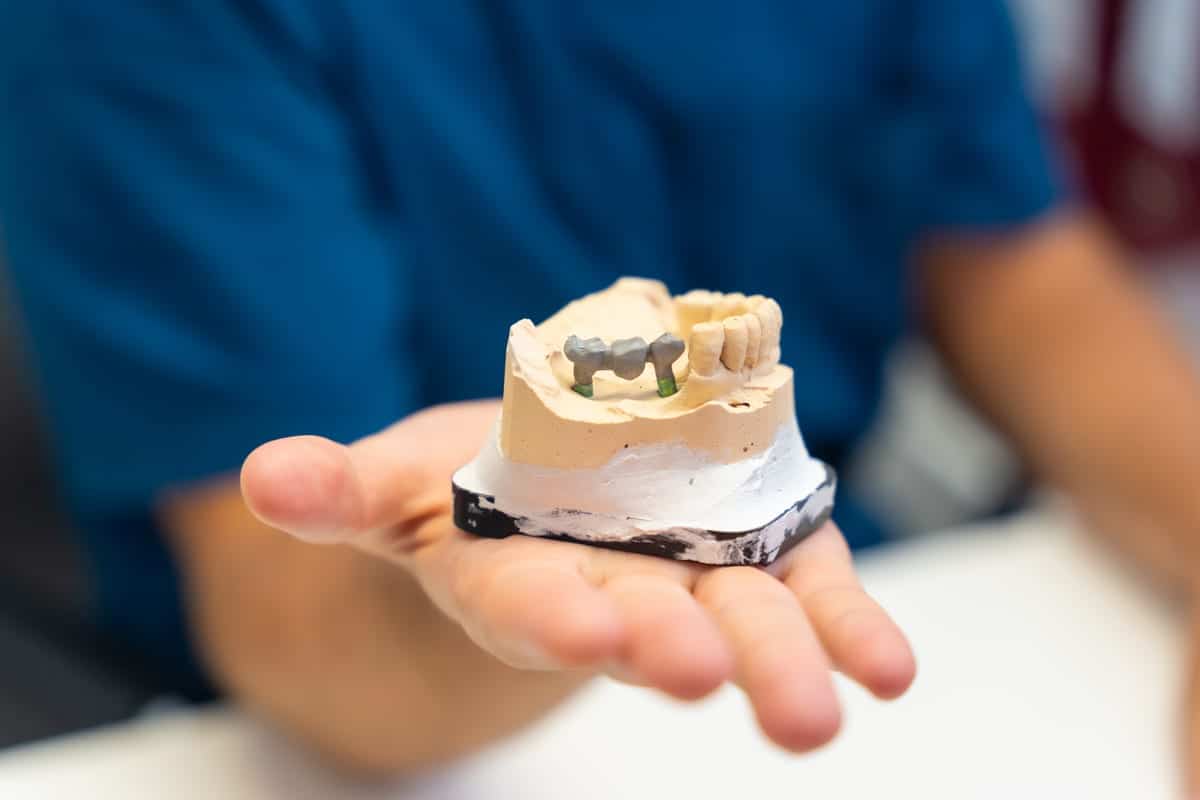
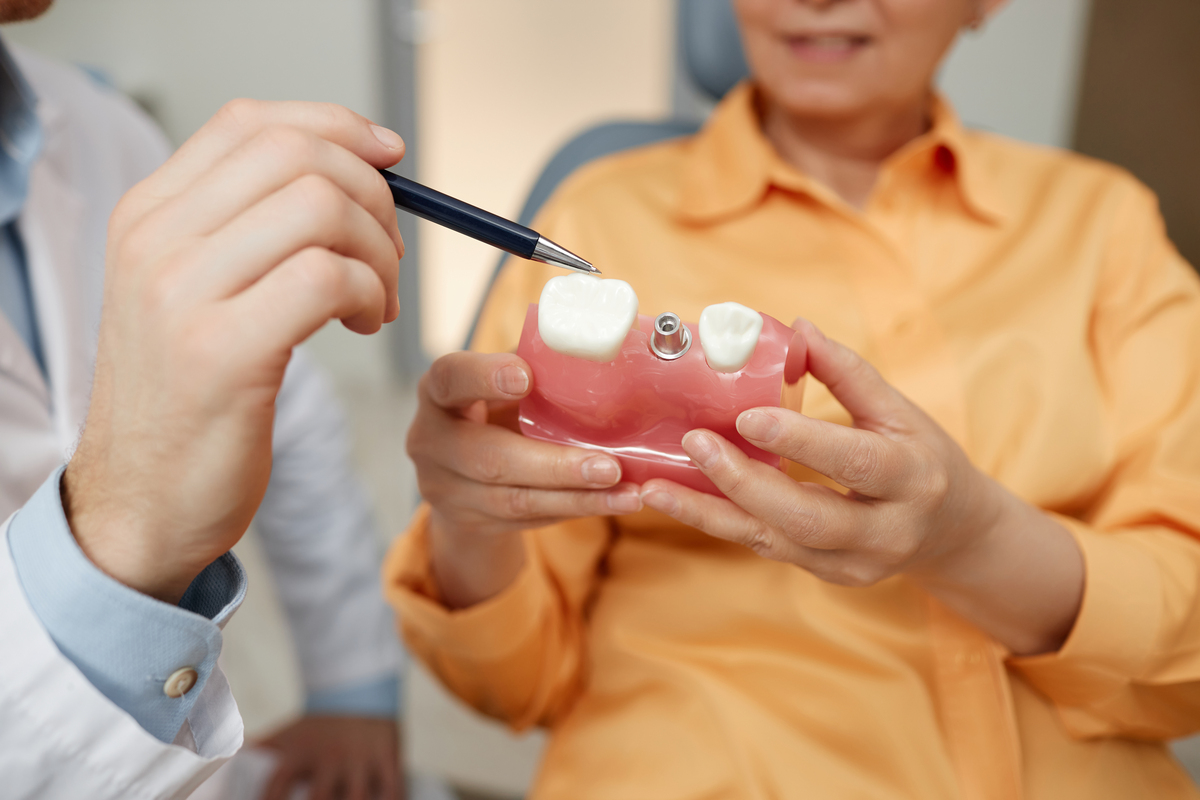
An implant is a titanium post surgically placed into the jawbone to act as a root. It is topped with a connector (abutment) and a crown. This is for when a tooth is already gone or is so damaged that it cannot be saved.
- Success Rate: Modern dental implants boast a staggering 95% to 98% long-term success rate.
- Timing: A marathon, not a sprint. The process can take 3 to 9 months to allow for “osseointegration”—the bone actually growing around the metal post.
Success, Longevity, and Performance: Crowns vs. Implants
Let’s get real about durability — after all, longevity often determines whether a treatment is truly worth it.
Dental Crown Longevity
Crowns are durable, but they aren’t necessarily permanent.
- Most dental crowns last between 10 and 15 years with proper care.
- Research shows 95 % of crowns remain functional at 5 years, but by 15–20 years, survival rates drop significantly depending on material and oral hygiene.
- Long-term clinical data show cumulative survival rates for crowns at roughly 70–80 % after 15 years — meaning some will eventually need replacement.
In other words, crowns are a long-lasting solution — especially when properly maintained — but they are not typically expected to last a lifetime. You’ll likely need to replace them at least once in your life.
Dental Implant Longevity and Success
Implants are often touted as the gold standard for tooth replacement — and the data support that claim:
- Dental implants typically have 95 %–98 % success rates over 5–10 years.
- Long-term studies show many implants remain functional 10–15 years or more, and some even beyond 20 years with proper care.
- Because implants fuse with the jawbone through osseointegration (creating a stable root), they preserve bone health and prevent the bone loss that occurs after extraction — a benefit crowns alone do not offer.
Most studies place implant survival well above typical crown longevity, making implants a more durable long-term choice for replacing missing teeth.
When a Crown Makes Sense (Pros, Cons, and Best Use Cases)
Best Situations for a Crown
- A damaged or cracked but otherwise rooted tooth
- After root canal work
- To improve tooth aesthetics or rebuild the chewing surface
- When insurance coverage makes it financially reasonable
Limitations
Crowns do not replace a missing root — they rely on your existing tooth structure.
Crowned teeth still risk future decay or fracture — especially on a natural tooth beneath a crown.
You may need multiple crown replacements over a lifetime.
Tip: If the tooth can still be saved and the root is strong, a crown often preserves more of your natural smile than extraction + implant.
When an Implant Might Be Best (Pros, Cons, and Best Use Cases)
Ideal for
- Missing teeth — the implant replaces the entire tooth, not just the visible part
- Long-term durability (often lasting decades)
- Preventing bone loss around the jaw after tooth loss
- Patients with good overall oral health and sufficient bone density
Considerations
- Higher upfront cost
- Surgical procedure — requires healing time
- Insurance coverage is limited
- Some medical conditions (e.g., uncontrolled diabetes or heavy smoking) may impact success rates
For replacement of missing teeth with the fewest compromises to function and aesthetics, implants are usually the best option — provided your dentist confirms you’re a candidate.
Making the Decision: Questions to Ask Your Dentist
Here’s a quick checklist to bring to your appointment:
- Is the root of my tooth healthy enough to support a crown?
- Am I a good candidate for an implant (bone density, gum health, medical history)?
- What are the insurance implications for each option?
- How long will each option likely last in my specific situation?
- Are there financing options for the implant procedure?
Getting clear answers to these can make your choice more confident and cost-effective.
Conclusion: Crown or Implant — What’s Best for You?
The “right” choice depends on your timeline, your budget, and the health of your existing tooth root. If your natural tooth can be saved, a dental crown is the fastest, least invasive way to restore your smile. However, if you’re looking for a permanent solution that protects your jawbone and eliminates the risk of future decay, a dental implant is the gold standard of 2026 dentistry.
Ultimately, your local qualified dentist in Hutto is your best resource. They’ll use 3D CBCT scans—which have become a standard in nearly 98% of successful implant cases—to see exactly what’s happening beneath your gums.
Frequently Asked Questions
1. Do implants hurt to get?
Most patients experience minimal pain, often compared to a tooth extraction. Local anaesthesia and sedation options make the procedure comfortable.
2. Can crowns and implants be used together?
Absolutely! Implants often end with a crown placed on top of the implant post to complete your smile.
3. How long do implants last compared to crowns?
Implants can last 15–25+ years with care, while crowns usually last 10–15 years on average.
4. Will my insurance cover these treatments?
Insurance is more likely to cover crowns (especially medically necessary ones) than implants. Always check your plan’s specifics.
5. Can everyone get dental implants?
Not everyone — you need sufficient bone structure and good oral health. Sometimes, bone grafting is needed to enable implants.