Have you ever found yourself mid-bite, enjoying a slice of deep-dish pizza or a crunchy apple, only to feel that dreaded crack? Or perhaps you’re looking in the mirror and realizing that a missing tooth is doing more than just affecting your smile—it’s affecting how you talk, eat, and even how you feel about yourself.
If you’re nodding your head, you aren’t alone. In fact, more than 120 million Americans are missing at least one tooth, and that number is expected to climb over the next two decades, according to the American College of Prosthodontists (ACP). When it comes to fixing that gap or saving a damaged tooth, the two heavy hitters in the dental world are Dental Implants and Dental Crowns.
But which one fits your “Tuesday morning rush” or your “weekend hiking trip” better? Let’s dive into the data, the costs, and the lifestyle factors to help you decide.
What Are Crowns and Implants?
Before diving into comparisons, let’s get clear on what each option actually is:
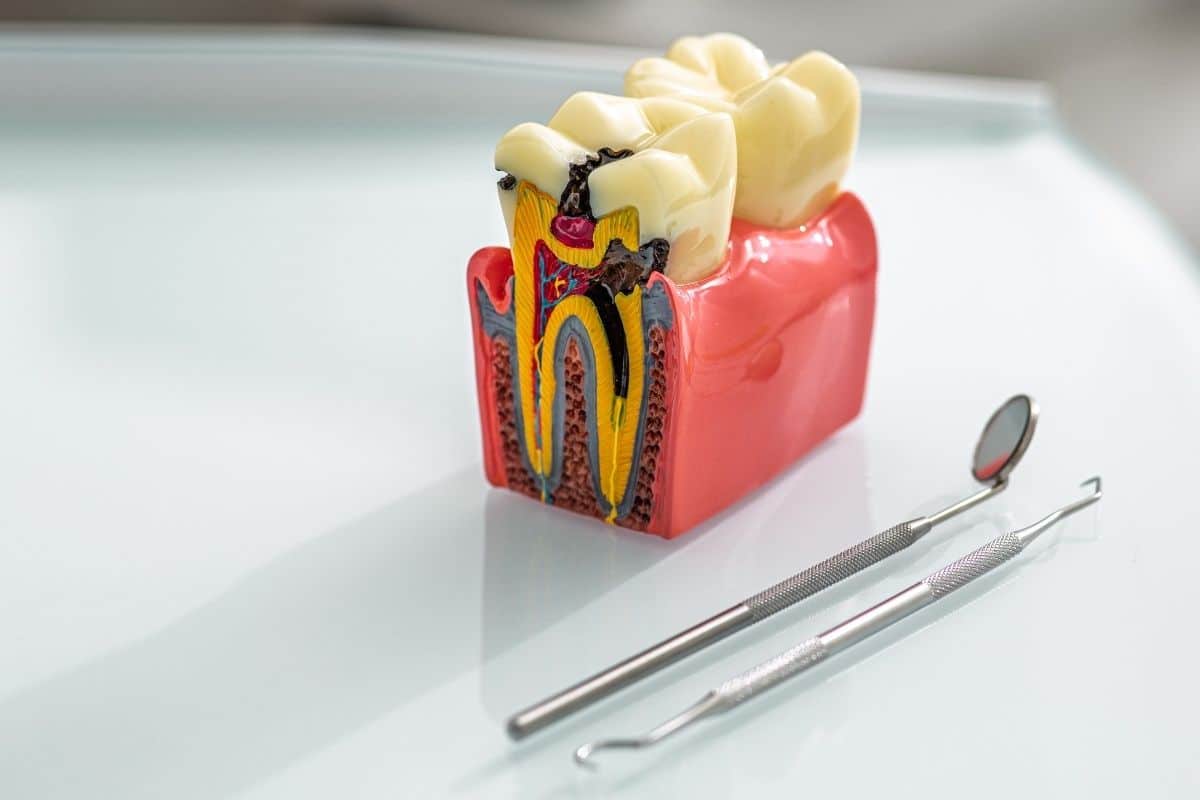
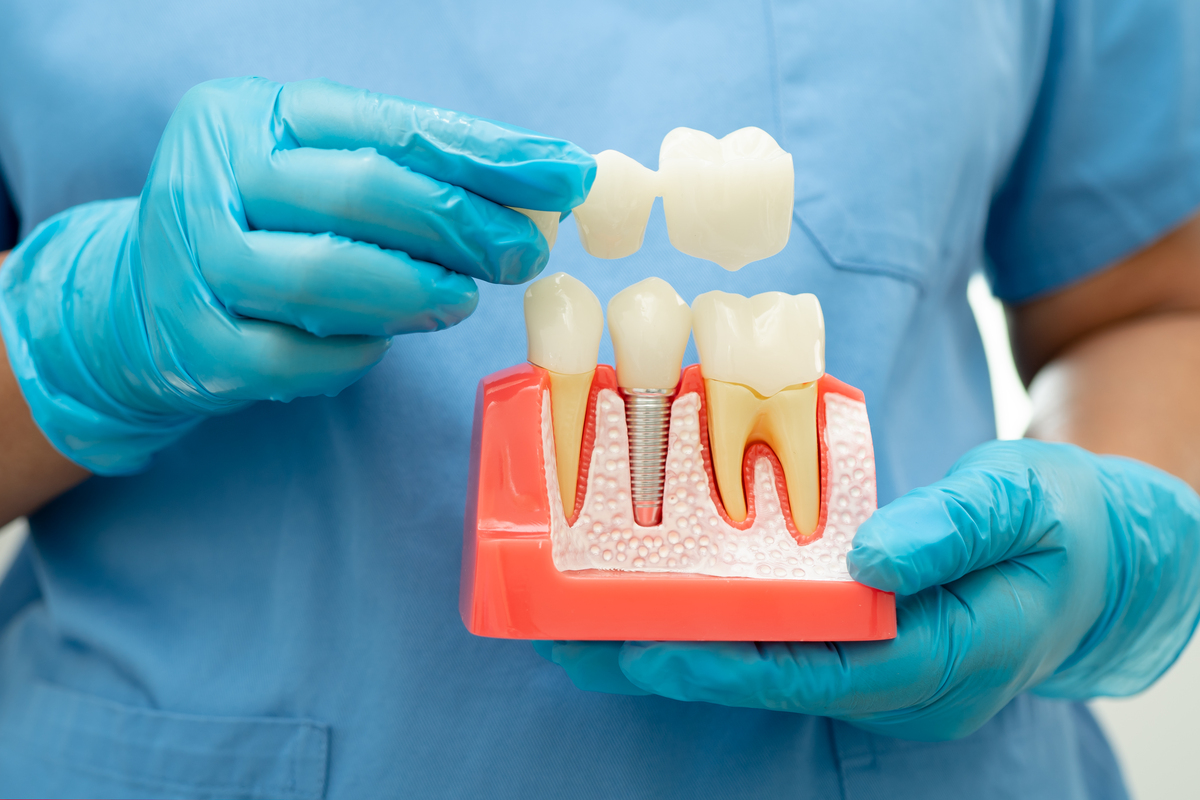
Dental Crowns: A dental crown is a cap placed over a damaged or weakened tooth. It’s used when the natural tooth still exists but needs protection — because of cracks, cavities, or after root canal treatment. Crowns look like real teeth and help restore function.
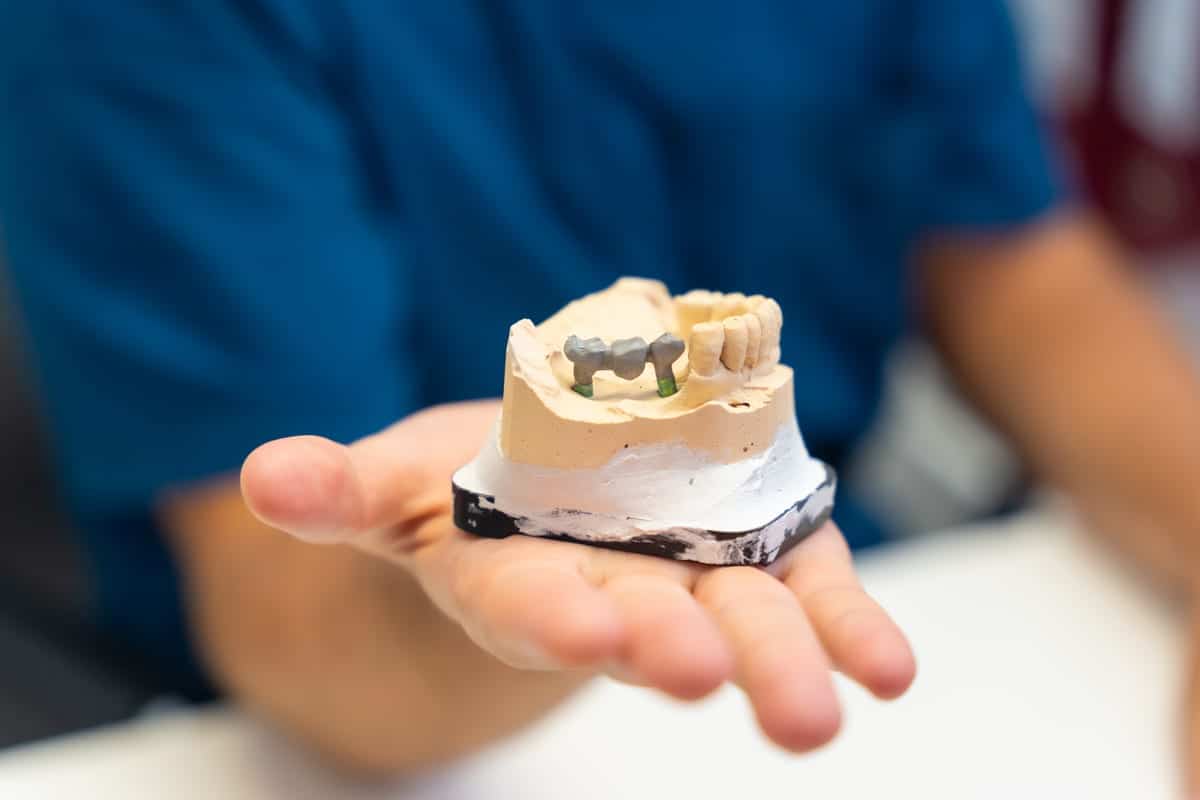
Dental Implants: An implant replaces the entire tooth, including the root. A titanium post is surgically placed in the jawbone, where it fuses with the bone over time (osseointegration), and a crown is attached to the top. You essentially get a new, artificial tooth that functions independently.
Side-by-Side Comparison: Implants vs Crowns
Let’s compare these two options across several lifestyle factors.
Success & Longevity — Do They Last?
Dental Implants:
- Long-term studies show 95–98% success rates, even across decades.
- Some research suggests that dental implants can last 20–30 years or more — potentially a lifetime with good care.
- A follow-up study found implants had a 95.6% survival rate over nearly 40 years.
Dental Crowns:
- Crowns also perform well, with 5-year survival rates often above 90–95%.
- But their longevity is usually shorter: typically 5–15 years before replacement is needed.
- Long-term survival (15–20 years) can decline, sometimes to 50–80%, due to wear or decay beneath the surface.
Lifestyle takeaway:
If you want a “set-it-and-forget-it” solution that can endure for decades, implants often deliver more durable performance. Crowns — while reliable — usually need replacement over time.
Procedure Time & Recovery — How Fast Can You Get Back to Normal?
Crowns: Quick & Less Invasive
- A crown typically involves 2 dentist visits over 1–3 weeks.
- No surgery and shorter recovery — most people resume normal eating within a few days.
Implants: Slower But More Permanent
- Implants require a surgical procedure and an osseointegration period (bone fusion), which can take 3–6 months.
- Some people also need bone grafts before implant placement, adding to the timeline.
Lifestyle takeaway:
If time is tight or you want minimal recovery time, crowns are the way to go. But if you’re willing to wait for a long-lasting solution, implants can be worth the investment.
According to the American Academy of Implant Dentistry (AAID), dental implants are among the most predictable procedures in dentistry, with a success rate of nearly 98% when performed by a specialist. While crowns are highly effective, they rely on the health of the natural tooth underneath. If that tooth gets a new cavity or the gum recedes, the crown may need to be replaced.
Budget Comparison
Cost can be one of the most significant factors in your decision.
Crowns:
- Generally less expensive upfront — depending on material and dentist.
Dental Implants:
- Higher initial cost, typically per implant (including post, abutment, and crown).
- If you lack dental insurance, implants may be expensive out-of-pocket. (Around 23% of U.S. adults lack dental insurance coverage for major work).
Long-Term Value:
Even though implants cost more initially, needing fewer replacements over a lifetime can make them more cost-effective in the long run — especially for younger patients. For example, repeatedly replacing crowns every decade can add up over a lifetime, possibly exceeding the cost of a single implant.
Lifestyle takeaway:
If budget and immediate costs are paramount, crowns offer a more affordable upfront option. But if long-term savings matter more, implants could be the smarter financial choice.
Oral Health Impact — Beyond Aesthetics
Dental Implants:
- Implants stimulate the jawbone, reducing bone loss that normally happens after tooth loss.
- They do not rely on adjacent teeth, meaning healthy neighboring teeth aren’t affected.
Crowns:
- Crowns preserve the existing tooth, which can be beneficial when the structure is salvageable.
- However, tooth preparation requires removing some healthy tooth structure.
Lifestyle takeaway:
Implants may offer better protection against bone loss when a tooth is missing, whereas crowns help keep your natural tooth intact when possible.
Comfort & Daily Life — How Do They Feel?
Implants:
- Feel and function much like natural teeth — excellent chewing strength and comfort.
- They’re stable and don’t shift or cause discomfort like some removable options.
Crowns:
- They also look and feel natural, but can sometimes irritate the surrounding gum tissue if they fit poorly.
- After many years, crowns can loosen or cause decay beneath them if oral hygiene lapses.
Lifestyle takeaway:
Most people find both options comfortable — but implants often edge out slightly in overall feel and function.
Making the Right Choice for Your Lifestyle
So which is better? The honest answer: it depends on what you need, your goals, and your budget.
Choose a Crown if:
- Your natural tooth is mostly intact
- You want a fast, less invasive procedure
- Initial cost matters a lot
Choose an Implant if:
- You want a long-lasting solution
- You’re concerned about future bone loss
- You’re okay with a longer treatment timeline
Your qualified dentist in Hutto will evaluate your oral health, jawbone quality, and overall wellness before recommending the best option, but knowing the facts helps you steer the conversation confidently.
Conclusion
Ultimately, the “better” option depends on your current oral health and long-term goals. If your natural tooth root is healthy and strong, a crown is a fantastic way to preserve it. However, if the tooth is severely decayed or already missing, a dental implant offers a permanent, “set-it-and-forget-it” solution that more closely mirrors a natural tooth than any other technology.
With 3 million Americans already benefiting from implants and 500,000 more joining them every year, the technology has never been better. Your next step? Schedule a consultation with a local prosthodontist to determine the best path for your smile.
Frequently Asked Questions
1. Are dental implants painful?
Most patients report minimal pain because dentists use local anesthesia and sedation if needed. Mild discomfort usually fades within a few days. Modern techniques make implant placement predictable and comfortable.
2. Can crowns ever replace implants later on — or vice versa?
If a crowned tooth eventually fails, an implant can be placed instead in many cases. Conversely, implants don’t typically need crowns replaced as often, though the prosthetic crown attached to the implant may need updating after many years.
3. Will dental insurance cover implants or crowns?
Insurance coverage varies. Crowns are more often covered, especially if part of necessary dental care. Implants may have limited coverage and are often viewed as elective or cosmetic. Always check with your insurer for specifics.
4. How do I maintain an implant or crown?
Brush twice daily, floss daily, avoid tobacco, and see your dentist every 3–6 months. Both crowns and implants depend on good oral hygiene for long-term success.
5. Can I get implants if I have bone loss?
Sometimes, additional procedures such as bone grafts may be needed to build up the jawbone first. Your dentist or oral surgeon will evaluate bone quality during consultation.